
Shrubs
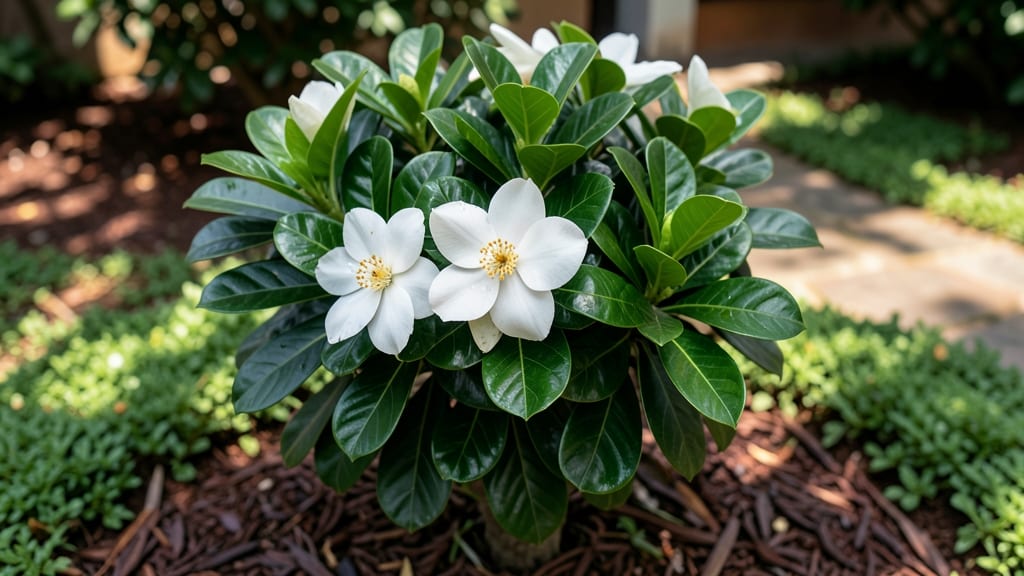
A full-grown gardenia 🌸 can reach 6 feet tall with glossy, fragrant blooms that transform your yard into a tropical escape—but only if you care for it right.
Picture this: your gardenia’s once-lush branches now sport sparse, weak flowers, and the scent is barely there. The problem? Most gardeners don’t know the exact timing and techniques for pruning that keep these shrubs thriving year-round.
In this guide, I’ll break down the secrets to pruning a mature gardenia—when to trim for maximum blooms, how to avoid common mistakes, and which tools make all the difference.
By the end, your gardenia will be back to its glory, blooming longer and smelling sweeter than ever, with minimal effort on your part.
When and how to prune a full grown gardenia for maximum blooms
Your full-grown gardenia thrives when you prune it strategically to encourage year-round blooms. Unlike many shrubs, gardenias respond best to light pruning—over-trimming can reduce flowering. The key is timing: prune just after blooming cycles to stimulate new growth without stressing the plant.
I’ve learned that late winter or early spring is ideal for shaping, while deadheading spent blooms year-round keeps your gardenia looking lush.
Before you grab those shears, gather the right pruning tools. A clean, sharp bypass pruner prevents tearing branches, and sterilized tools (wiped with rubbing alcohol) stop disease spread. Avoid dull tools—they crush stems, inviting pests.
I always keep a small hand pruner and long-handled loppers for thicker branches on hand. Pruning at the right time and with the right tools makes all the difference in keeping your gardenia healthy and blooming.
Timing your prune is critical. Never prune in fall—it encourages tender new growth that won’t survive winter. Instead, focus on these two key periods: late winter (Feb-March) for shaping and immediately after blooms fade to encourage more flowers.
For tropical varieties, you can prune lightly year-round, but always avoid heavy cuts during active bloom cycles. My gardenia blooms from spring to fall, so I deadhead weekly to keep it flowering.
Step-by-Step Pruning Guide for Full Grown Gardenias
- 1
- 2
- 3
- 4
- 5
Remove any brown, mushy, or crisscrossing branches first. These won’t recover and can spread disease. Use sterilized loppers for thicker stems. Cut 1/4 inch above a healthy bud or branch junction.
Prune to maintain an open, rounded shape. Aim for 1/3 of the plant’s height for mature gardenias. Cut just above outward-facing buds to encourage new growth. Avoid top-heavy cuts that can weaken the plant.
Pinch off wilted flowers at the base to redirect energy to new blooms. Use your fingers or small pruners—no need for shears. Do this weekly during bloom season for continuous flowers. I’ve seen gardenias bloom 3x longer with consistent deadheading!
Look for crossing branches or dense foliage. Remove 1-2 inner branches per section to improve airflow. This prevents fungal diseases like powdery mildew. Focus on lower branches to encourage upward growth.
Rake up clippings and debris to prevent pests. Apply a balanced acidic fertilizer (8-3-9) after pruning. Water deeply to help roots recover. Avoid heavy fertilizing right after pruning—wait 2-3 weeks for new growth.
One of the biggest mistakes I see is pruning too aggressively in one session. Gardenias are sensitive to over-pruning, which can shock the plant and reduce blooms. Limit cuts to 25% of the plant’s foliage per session.
If your gardenia looks sparse after pruning, it’s a sign you’ve gone too far. Instead, space out pruning over 2-3 sessions if needed, focusing on smaller, strategic cuts each time.
Not all gardenia varieties respond the same way to pruning. For example, G. jasminoides (the most common type) benefits from light shaping prunes twice a year, while G. radicans (a climbing variety) needs minimal pruning to maintain its vining habit.
Always research your specific variety before pruning. I once over-pruned a G. radicans and nearly killed it—now I only trim it to control its spread!
After pruning, monitor your gardenia closely for signs of stress. Drooping leaves or yellowing foliage can mean it’s struggling. Increase watering slightly for a week and move it to partial shade if it’s in hot sun.
Avoid fertilizing until new growth appears. Patience is key—your gardenia will bounce back with the right care. I’ve seen mine recover from heavy pruning in just 4-6 weeks with consistent watering and shade.
To extend your gardenia’s blooming season, combine pruning with proper aftercare. Mulch around the base to retain moisture, and ensure it gets bright, indirect light. Avoid direct afternoon sun, which can scorch new growth.
I’ve found that morning sun + afternoon shade keeps my gardenia thriving year-round. With the right timing, tools, and follow-up care, your full-grown gardenia will reward you with stunning, fragrant blooms for seasons to come.
Remember, the goal isn’t just to prune—it’s to encourage healthy growth and maximize blooms. By following these steps, you
Gardenias’ hidden growth habits: pruning secrets for different varieties
Not all gardenias respond the same way to pruning—what works for a compact G. jasminoides might stress a sprawling G. radicans. The key lies in understanding each variety’s natural growth patterns and bloom cycles.
For example, the classic G. jasminoides thrives with light pruning to maintain its rounded shape, while climbing varieties like G. radicans need aggressive trimming to control their vines.
Your pruning approach should also align with climate conditions. In humid zones (Zone 10+), gardenias bloom year-round, so minimal pruning suffices. But in cooler climates (Zone 7-9), a harder prune in late winter stimulates spring blooms.
Ignoring these differences can lead to fewer flowers or even plant decline.
Here’s how the most popular gardenia varieties differ in their pruning needs:
For G. jasminoides, the most common variety, I recommend light pruning after blooming to shape the plant while preserving next year’s buds. Always use sterilized shears and cut at a 45-degree angle just above a leaf node.
Avoid over-pruning—this variety blooms on old wood, so aggressive cuts can reduce flowers.
If you’re growing G. radicans, treat it like a vine. Prune back one-third of growth annually in late winter to encourage new, fragrant blooms. Without pruning, these varieties can become unwieldy and leggy, with fewer flowers. For potted gardenias, trim roots during repotting to stimulate bushier growth.
Pro tip: Deadhead spent blooms year-round for all varieties—this redirects energy to new growth. Just avoid pruning in fall or winter, as the plant needs time to recover before spring’s bloom surge. With the right