
Tools
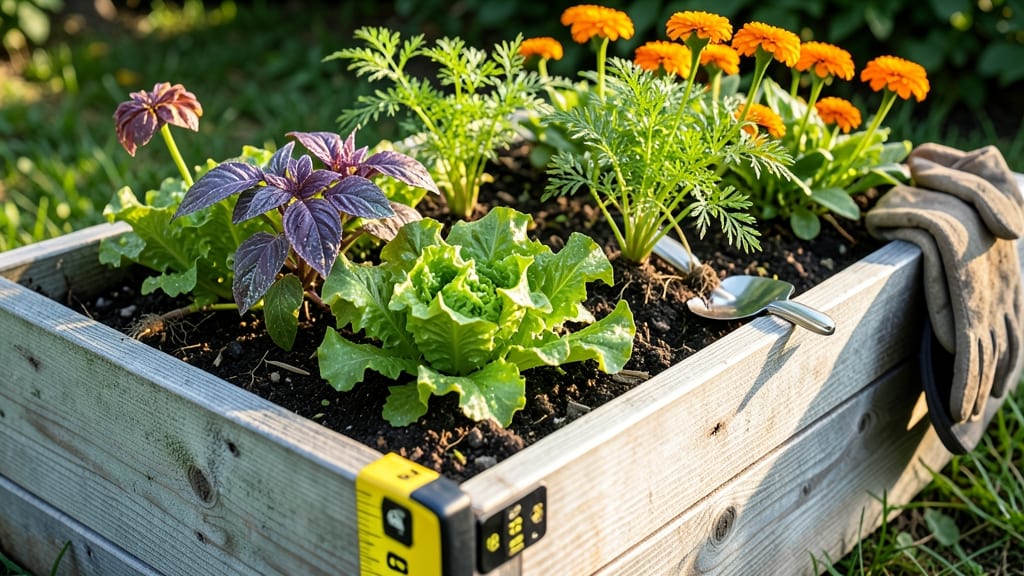
Determining garden bed height depends on plant type: vegetables need 6–12 inches for deep root systems, while herbs and flowers thrive in shallower beds of 6–10 inches. Raised beds (12+ inches) boost drainage and soil quality but require proper spacing for easy maintenance.
Getting the right garden bed height isn't just about space—it's about creating the perfect environment for your plants to thrive. 🌱 For vegetables like carrots or potatoes, deeper beds let roots spread freely, while shallow beds work best for herbs that don't need much room.
Raised beds solve common soil problems by improving drainage and aeration, which is especially helpful in heavy clay soils or rainy climates. I've found that adding 2–3 inches of compost to any bed height makes a huge difference in plant health and yield.
When designing your beds, consider accessibility too. Taller raised beds (18+ inches) can be harder to reach into, while lower beds (6–10 inches) are easier to maintain but may need more frequent watering.
The key is matching your bed height to both your plants' needs and your own gardening style—whether you prefer deep-rooted veggies or easy-to-tend herbs.
💡 In This Article
- How Root Depth and Plant Type Dictate Garden Bed Height
- Designing Raised vs In-Ground Beds for Optimal Plant Growth
How root depth and plant type dictate garden bed height
The depth of your garden bed directly impacts how well roots can access nutrients, water, and oxygen—critical factors for plant health. Vegetables like carrots, potatoes, and sweet potatoes need 10–12 inches of soil depth because their roots grow deep to anchor the plant and store energy.
For example, a carrot's edible root can extend up to 12 inches long, so a shallow bed would leave it stunted and misshapen. Meanwhile, herbs like basil or cilantro have fibrous root systems that only spread 6–8 inches deep, making them perfect for shallower beds.
Soil aeration becomes another key factor as bed height increases. Deeper beds allow roots to penetrate compacted layers, while shallower beds risk suffocating plants if the soil becomes too dense.
For instance, a 6-inch bed might work for lettuce, but adding another 4 inches of loose, compost-rich soil would give its roots more room to grow without competing for space with weeds.
Moisture retention also shifts with height—taller beds dry out slower in hot climates, while shallow beds need more frequent watering.
Nutrient distribution changes dramatically with bed height. A 12-inch raised bed can hold 3–4 times more compost and organic matter than a 6-inch in-ground bed, providing a steady supply of nutrients as roots grow. This is why raised beds often produce healthier vegetables with fewer fertilizers.
However, shallow beds for herbs or flowers concentrate nutrients near the surface, which is ideal for plants that thrive in nutrient-rich topsoil, like strawberries or marigolds.
Weed suppression is another advantage of taller beds. A 10-inch bed creates a natural barrier that blocks most weeds from germinating, while a 6-inch bed may require mulch or landscape fabric to keep weeds at bay.
The deeper soil also helps retain moisture longer, reducing the need for daily watering—especially important for deep-rooted vegetables during dry spells. 🌱 For example, tomatoes planted in a 12-inch bed stay hydrated for days longer than those in a 6-inch bed.
Consider the texture of the soil too. Sandy soils drain too quickly in shallow beds, while clay soils can become waterlogged. A 10-inch bed with a mix of compost and perlite offers the perfect balance—holding moisture without suffocating roots.
For instance, adding 2 inches of coarse sand to the bottom of a raised bed improves drainage for plants like peppers, which hate soggy roots.
Finally, think about the plant's growth habit. Vining plants like cucumbers or pole beans need taller beds (12+ inches) to support their sprawling roots, while bush beans or radishes thrive in 6-inch beds.
The right height ensures the plant can develop fully without crowding its neighbors or struggling for resources.