
Tools
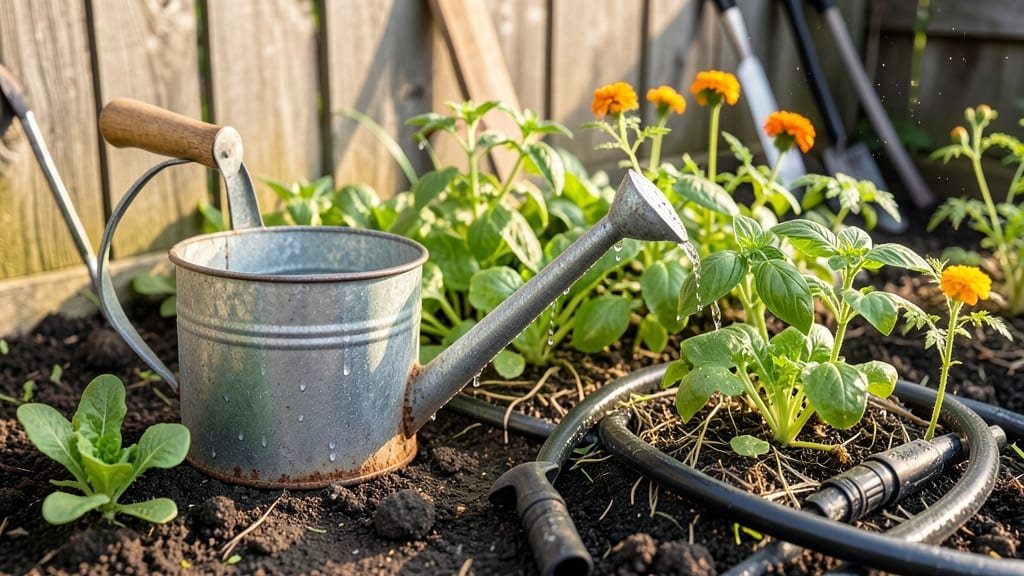
Watering your garden bed properly is the secret to lush, healthy plants without wasting a drop.
You might think you’re doing it right—until you notice wilting leaves or puddles that never reach the roots. The truth? Most gardeners overwater by up to 50%, draining their wallet and harming their plants.
The key isn’t just how much you water, but when, how deep, and how consistently—and I’ve got the science-backed tricks to fix it.
From early morning soaks to mulching hacks that lock in moisture, this guide cuts through the guesswork. You’ll learn how soil type changes your schedule, why evening watering invites fungus, and how a 5-minute daily check can save gallons of water.
No more wasted effort, no more soggy roots—just thriving plants and a lighter water bill.
Ready to transform your garden bed into a water-wise paradise? Let’s dive into the timing, tools, and techniques that make all the difference—starting with the one mistake every gardener makes (and how to stop).


Optimal watering times for garden beds to maximize plant health
Watering your garden bed at the wrong time can waste up to 40% of your water due to evaporation and runoff. The science behind watering timing isn’t just about convenience—it’s about plant health, fungal prevention, and water conservation.
Morning watering, for example, gives roots time to absorb moisture before the heat of the day, while evening watering can leave foliage damp overnight, inviting blight and mildew. Let’s break down the best times and why they matter.
Soil type plays a surprisingly large role in how often you should water. Sandy soil drains quickly and needs frequent, shallow watering, while clay soil holds moisture longer but risks waterlogging. Even loamy soil, the gardener’s gold standard, benefits from strategic timing to balance moisture retention and root aeration.
Understanding your soil’s composition helps you tailor your watering schedule to your garden’s specific needs.
🌱
| Watering Time | Best For | Evaporation Risk | Fungal Risk | Soil Type Adaptation |
|---|---|---|---|---|
| Early Morning (5-9 AM) | All plants, especially leafy greens and herbs | Low (cooler temps) | Low (foliage dries quickly) | Ideal for sandy soil (prevents rapid drying) |
| Late Morning (9-11 AM) | Root crops (carrots, beets) | Moderate (warmer air) | Low (less humidity) | Best for clay soil (avoids compaction) |
| Evening (4-7 PM) | Established perennials and drought-tolerant plants | High (humidity traps moisture) | High (wet foliage overnight) | Risky for loamy soil (fungal concerns) |
| Night (After 7 PM) | Emergency watering only | Very High (condensation) | Very High (ideal for pathogens) | Avoid unless absolutely necessary |
Morning watering is my top recommendation for most garden beds because it aligns with nature’s rhythm. When you water between 5 AM and 9 AM, the soil has time to absorb moisture before the sun intensifies.
This reduces water waste by up to 30% compared to evening watering, where evaporation spikes as temperatures rise. Plus, plants like tomatoes and peppers, which are prone to blossom end rot from inconsistent moisture, thrive with consistent morning hydration.
If you must water in the evening, aim for 4 PM or earlier to minimize fungal risks. However, this timing works best for drought-resistant plants like lavender or succulents, which store water efficiently. For most vegetables and flowers, though, morning watering is the gold standard.
Pro tip: Use a soaker hose or drip irrigation to deliver water directly to the roots, further reducing evaporation and fungal exposure.
Your soil type dictates how often you should water, not just when. For example, sandy soil may need watering twice daily in summer, while clay soil might only require deep watering every 3-4 days.
To test your soil’s moisture level, stick your finger 2 inches deep—if it feels dry, it’s time to water. If it’s damp, hold off for another day. This simple check saves water and prevents overwatering, which can be just as harmful as underwatering.
Seasonal adjustments are critical too. In summer months, when temperatures soar, you might need to water daily in the early morning to keep roots hydrated. Conversely, in winter, a single deep watering every 2-3 weeks is often sufficient, depending on your climate.
Always observe your plants: wilted leaves or yellowing foliage are signs they’re thirsty, while mushy stems indicate overwatering.
Don’t overlook the role of mulch in your watering strategy. A 2-3 inch layer of mulch (straw, wood chips, or leaves) locks in moisture, reducing the frequency of watering by up to 50%.
Mulch also regulates soil temperature, protecting roots from extreme heat or cold. For garden beds, apply mulch after watering to let the moisture penetrate the soil before it’s blocked by organic matter.
💧
One of the biggest myths in gardening is that more water is always better. Overwatering leads to root rot, nutrient leaching, and wasted resources. Instead of following a rigid schedule, focus on deep, infrequent watering that encourages roots to grow deeper in search of moisture.
A 1-2 inch deep watering 2-3 times per week is far more effective than daily shallow sprinkles, especially for vegetables and herbs.
To make watering even more efficient, consider installing a rain gauge near your garden bed. This helps you track rainfall and adjust your watering schedule accordingly.
For instance, if you receive 1 inch of rain, you can skip watering for a few days, especially if your soil is clay-based. Pairing a rain gauge with a smart irrigation timer takes the guesswork out of watering, ensuring your garden gets just the right amount without waste.
How to calculate the perfect watering schedule for your garden bed
Creating a watering schedule that works for your garden bed starts with understanding your plants' unique needs. Every garden bed is different—whether it's packed with drought-tolerant succulents or moisture-loving herbs like basil and cilantro.
The key is balancing soil type, plant varieties, and seasonal conditions to avoid overwatering or underwatering.
Begin by identifying your garden bed's soil drainage. Sandy soil drains quickly and may need daily watering, while clay soil holds moisture longer and only requires watering every 5-7 days.
Use a simple test: Grab a handful of damp soil—if it crumbles easily, it's time to water. If it stays clumped, wait another day or two.
🌱 3-Step Watering Schedule Formula
- Step 1: Check soil moisture (1-2" deep) before watering
- Step 2: Water deeply (1-2 inches) at the root zone
- Step 3: Adjust for season (summer = more frequent; winter = less)
Pro Tip: Use a moisture meter for accuracy—it eliminates guesswork!
Next, group your plants by their water requirements. For example, tomatoes and peppers need consistent moisture, while lavender and rosemary thrive on neglect. Create zones in your garden bed where plants with similar needs share water sources. This approach saves time and ensures no plant is over- or under-watered.
Seasonal adjustments are critical. In summer months, water early in the morning to reduce evaporation and fungal risks. During winter, cut back to monthly watering unless you're growing cold-hardy crops like kale or carrots.
Always check the weather forecast—1 inch of rain can replace a watering session for most plants.
To simplify, create a custom watering calendar. Start by noting your garden bed's size and the types of plants you're growing. Use a spreadsheet or printable template to track watering dates, soil moisture levels, and weather conditions. For example, mark June-August as high-water months and December-February as low-water months.
Finally, invest in water-saving tools like drip irrigation or soaker hoses. These deliver water directly to the root zone, reducing waste by up to 40%. Pair them with mulch (like straw or wood chips) to retain moisture and suppress weeds.
With these steps, you'll have a watering schedule that keeps your garden bed thriving without a drop of waste.