
Picking
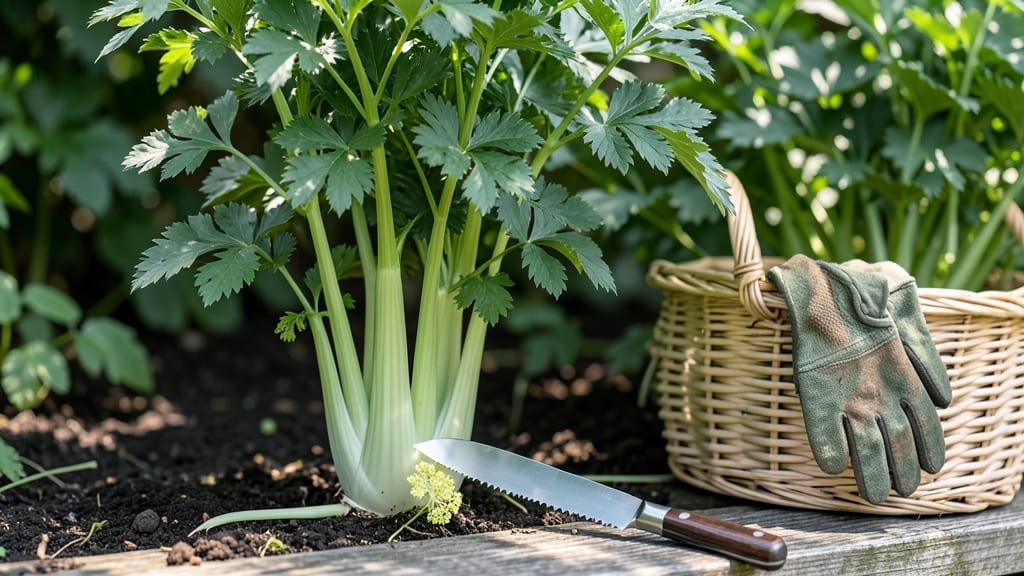
Harvesting garden celery at the right time 🥬 means the difference between crisp, flavorful stalks and tough, bitter disappointment.
If your celery stems are splitting like tiny green fingers, it’s not a sign of failure—it’s your garden’s way of telling you the perfect time to harvest has arrived. But how do you know when to pick for maximum flavor and yield?
Celery thrives in USDA Zone 6a when planted in early spring, but even the best-grown plants can trick you into waiting too long. The key is timing: stalks should be 12-15 inches tall, tightly clustered, and firm to the touch.
In this guide, I’ll walk you through the exact moment to harvest, how to do it without damaging regrowth, and simple post-harvest care to keep your celery fresh for weeks. No more guesswork—just perfect, homegrown celery every time.

Why celery stems splitting signals the best harvest time
When your celery stalks start splitting like tiny green fingers, it’s your garden’s way of shouting, "I’m ready!" This isn’t a sign of failure—it’s a botanical cue that your celery has reached peak maturity.
The splitting occurs because the plant’s rapid growth phase causes the fibrous stems to expand faster than the outer layers can contain them. This burst of energy means your celery is packing maximum flavor, crisp texture, and nutritional value.
Think of it like a perfectly ripe fruit: just before it softens or spoils, it hits that sweet spot of flavor and texture. For celery, the splitting is that sweet spot.
The sugar content is highest, the vitamin K and C levels peak, and the stalks are at their most tender. Ignoring this sign could mean missing out on the best tasting celery of the season!
But here’s the catch: not all split-stem celery is created equal. The splitting alone isn’t enough—you’ll also want to check for dark green leaves, a thick base (at least 1 inch in diameter), and stalks that are 12-15 inches tall.
These visual cues confirm your celery is truly ready for harvest, not just showing signs of overgrowth.
| Harvest Indicator | What to Look For | Why It Matters |
|---|---|---|
| Splitting Stalks | Stems crack or split lengthwise | Peak growth phase = highest flavor and nutrients |
| Dark Green Leaves | Leaves are deep, vibrant green | Indicates healthy photosynthesis and maturity |
| Thick Base | Base diameter ≥ 1 inch | Ensures sturdy stalks with minimal bitterness |
| Stalk Height | 12-15 inches tall | Optimal size for tenderness and yield |
| Firm Texture | Stalks feel crisp and firm | Avoids woody or mushy celery |
One of the biggest misconceptions about split-stem celery is that it’s overgrown or past its prime. In reality, the splitting is a positive sign—it means your plant is thriving and has directed its energy into producing the most flavorful and nutrient-dense stalks possible.
However, if you wait too long after the splitting, the stalks can become woody or bitter, which is why timing is everything.
Beyond the splitting, pay attention to the leaf size. Mature celery should have large, crisp leaves that are tightly packed around the base. These leaves aren’t just for show—they’re a sign that the plant has allocated resources to both the stalks and foliage, ensuring a balanced harvest.
If the leaves are small or yellowing, your celery may still need time to mature.
The base diameter of your celery is another critical indicator. A thick base (at least 1 inch) means the stalks are well-developed and less likely to be hollow or bitter. You can check this by gently squeezing the base—it should feel solid and firm.
If it’s soft or spongy, it’s a sign that the celery has been overwatered or is past its peak.
Harvesting at the right time isn’t just about flavor—it’s also about nutritional value. Celery at its peak contains higher levels of antioxidants, vitamins, and minerals than underripe or overripe stalks.
For example, the vitamin K content is at its highest when the stalks are splitting, making it the perfect time to enjoy the health benefits of your homegrown celery.
If you’re still unsure whether your celery is ready, try the "snap test". Gently bend a stalk near the base—if it snaps cleanly with a slight crunch, it’s ready to harvest.
If it bends without snapping, it needs more time. This simple test can save you from harvesting too early or too late, ensuring you get the best possible yield.
Remember, celery is a cool-season crop, so timing your harvest around the ideal growing conditions (cool temperatures and consistent moisture) will give you the best results.
Once you’ve mastered recognizing the signs of a perfect harvest, you’ll be able to enjoy homegrown celery that’s sweeter, crisper, and more nutritious than anything you can buy in the store.
So next time you see those tiny green splits appearing on your celery stalks, don’t panic—grab your shears and get ready to harvest the most flavorful celery of the season! 🥬
Step-by-step guide to harvesting celery at peak freshness
Timing your harvest is everything when it comes to garden celery. The moment those stalks split is your cue to act—this means the plant has reached its peak flavor and texture. But rushing or waiting too long can turn your crisp harvest into something tough or bitter.
The best time to harvest is on a cool morning after the dew has dried, ensuring your celery stays fresh longer.
Before you grab your pruners, check for these three key signs of readiness: stalks should be 12-15 inches tall, tightly clustered, and have a base diameter of at least 1 inch.
If the outer leaves are deep green and crisp, you’re golden. Ignoring these signs often leads to mushy or woody celery, which is a gardener’s worst nightmare.
How to Harvest Celery Like a Pro
- Step 1: Choose the Right Time ⏰ Harvest in the early morning (6-8 AM) when temps are below 70°F. Avoid evening harvests to prevent rot or wilting.
- Step 2: Use the Right Tools ✂️ Grab a sharp knife or pruners (sterilized with rubbing alcohol). Dull tools crush stems, leading to bitter-tasting celery.
- Step 3: Cut at the Base 🌱 Snip the entire plant 1-2 inches above soil level. This encourages regrowth for a second harvest in 6-8 weeks.
- Step 4: Rinse Gently 💧 Hold stalks under cool running water for 30 seconds to remove dirt. Avoid soaking—this causes mushy texture.
- Step 5: Store Properly 🥬 Wrap in a damp paper towel, place in a plastic bag, and refrigerate. This keeps celery crisp for up to 2 weeks.
If your harvested celery tastes bitter or mushy, don’t panic. Overripe celery often develops a woody core or hollow stalks—this happens when plants mature past their prime.
To fix this, harvest earlier next time and avoid overcrowding plants, which stresses the roots. For regrowth, trim any yellowed leaves and keep soil consistently moist.
Pro tip: If you’re growing celery in containers, harvest slightly earlier (at 10-12 inches) to prevent root-bound stress. Container-grown celery also benefits from a light mulch to retain moisture—just don’t let it sit in soggy soil, or you’ll end up with rotten bases.
With these steps, you’ll enjoy crisp, homegrown celery all season long.
Remember, the key to a successful harvest is patience and precision. Split stems aren’t a flaw—they’re a sign your celery is ready to shine. Now grab those pruners and enjoy the fruits (or should I say, stalks) of your labor! 🥬