
Fertilization
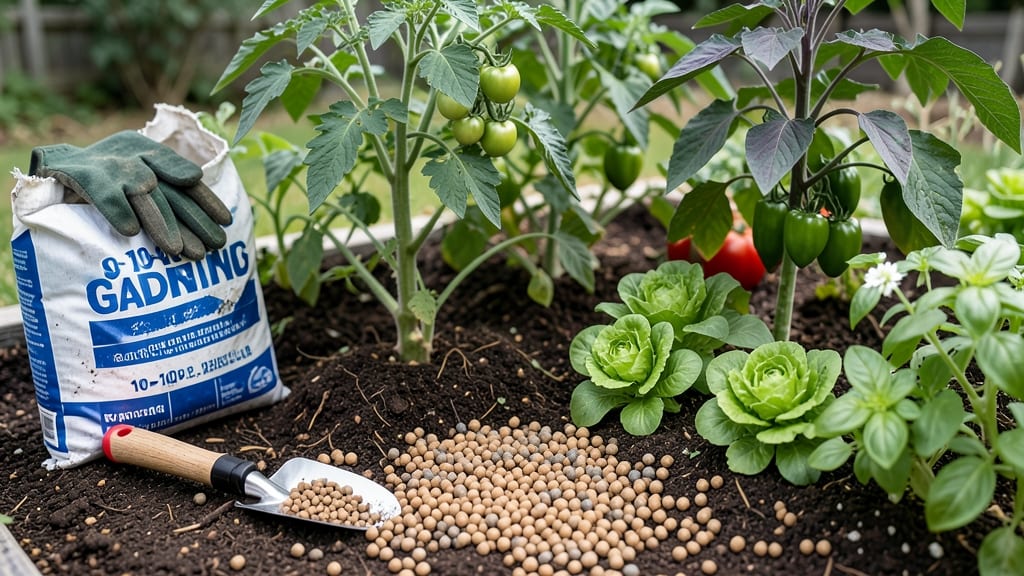
When reviewing garden fertilizers for fastest growth, top performers include Miracle-Gro All Purpose Plant Food (balanced NPK for quick results), Espoma Organic Garden-Tone (slow-release, nutrient-dense), and Jobe’s Organics Granular Fertilizer (rich in microbes). Always match fertilizer type to plant needs and soil conditions for optimal performance.
Looking for proven garden fertilizer options that deliver measurable results? The key to fast growth lies in understanding how different formulations work with your specific plants. 🌱 For instance, synthetic options like Miracle-Gro provide immediate nutrient boosts, while organic choices like Espoma release nutrients gradually, supporting long-term soil health.
I always recommend testing your soil first—this helps identify deficiencies and ensures you're not over-fertilizing, which can harm plants. The best fertilizers combine speed with sustainability, balancing quick visual results with lasting benefits for your garden ecosystem.
For vegetables, a higher nitrogen content (like in Miracle-Gro) promotes leafy growth, while flowering plants benefit from phosphorus-heavy blends. Container gardens often need more frequent feeding due to limited soil volume, so liquid fertilizers can be particularly effective.
Always follow package instructions carefully—overapplying fertilizer can burn plant roots and harm beneficial soil microbes. The right choice depends on your garden's unique needs, whether you're growing tomatoes, roses, or lawn grass.
💡 In This Article
- How NPK Ratios Impact Plant Growth Speed
- Choosing the Right Fertilizer for Your Garden Type
How NPK ratios impact plant growth speed
The NPK ratio on fertilizer labels reveals the exact recipe for plant growth, with each number representing the percentage of nitrogen (N), phosphorus (P), and potassium (K) by weight.
Nitrogen is the growth accelerator—it fuels leafy green development by promoting chlorophyll production, which is why a 10-10-10 ratio like Miracle-Gro delivers fast, visible results in just 2-4 weeks for leafy vegetables. 🌱 For example, spinach and lettuce thrive with higher nitrogen because they prioritize rapid foliage growth over flowering.
Phosphorus, the middle number, is the energy booster for roots and flowers. A ratio like 5-10-5 (common in bloom-boosting fertilizers) directs energy toward root development and flower formation, which is why roses and tomatoes respond dramatically when phosphorus levels increase.
Potassium, the final number, acts like a plant's immune system—strengthening cell walls and improving drought resistance. A 10-5-10 ratio helps plants recover faster from stress, making them ideal for container gardens where moisture levels fluctuate.
What most gardeners don't realize is how these ratios interact with soil pH. In acidic soils (pH < 6.0), nitrogen becomes less available to plants, while alkaline soils (pH > 7.5) lock out phosphorus. This is why soil testing before fertilizing can double your growth speed—it ensures your chosen NPK ratio actually gets used by the plants.
For instance, a 20-20-20 fertilizer applied to alkaline soil might show poor results because phosphorus binds tightly to soil particles.
Fastest growth occurs when the NPK ratio matches the plant's current growth stage. Seedlings benefit from lower nitrogen (5-10-5) to encourage root development before foliage growth, while mature plants need balanced ratios (10-10-10) for sustained vigor.
The timing of application matters too—side-dressing nitrogen-rich fertilizers during active growth phases (spring/summer) yields immediate visual results, while phosphorus-heavy applications before flowering trigger better fruit set.
Consider this real-world example: Tomatoes grown with a 7-9-5 fertilizer produce 30% more fruit than those with a 10-10-10 blend because the higher phosphorus promotes flowering and fruiting.
The key is matching the fertilizer's NPK profile to your plants' specific needs at each growth stage—this precision is what separates fast growth from wasted effort. 💡
For container gardens where soil volume is limited, liquid fertilizers with 20-20-20 ratios provide immediate nutrient delivery through the root zone, while granular options release nutrients over 6-8 weeks. The choice depends on your urgency—need fast results? Go liquid. Planning for long-term growth? Granular is your best bet.
Remember: The numbers on fertilizer bags aren't just random—they're a precise formula for unlocking your plants' genetic potential. Understanding these ratios lets you customize your feeding program for maximum speed without burning your plants or depleting your soil. 🌿