
Light Requirements
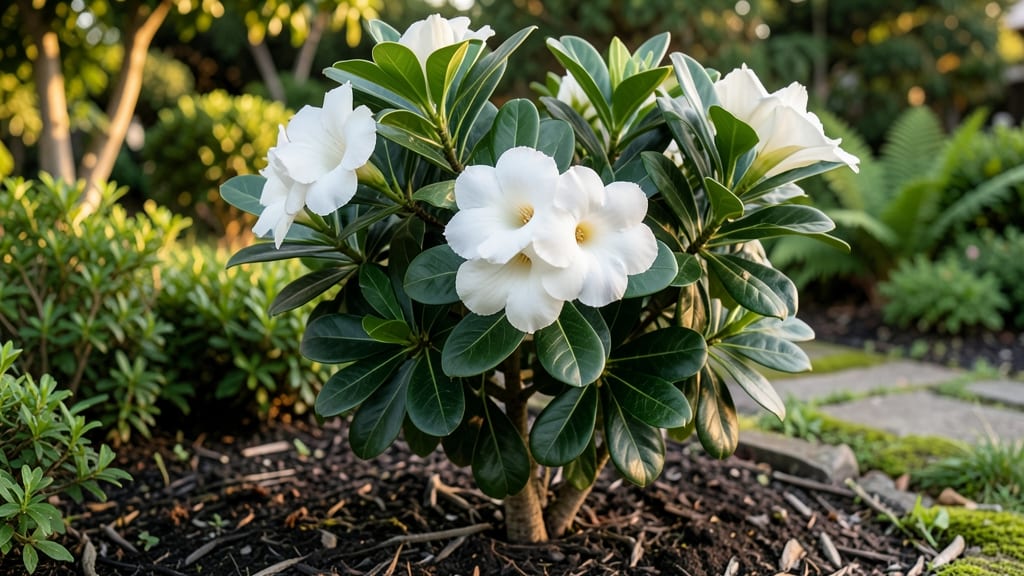
Gardenia sunlight requirements hinge on 4-6 hours of bright, indirect light daily—the sweet spot between scorched leaves and weak blooms.
Picture this: your gardenia 🌸 sits in a spot where the morning sun kisses its leaves, but the afternoon heat is blocked by a sheer curtain or nearby tree. That’s the magic formula for happy plants.
Too much direct sun? Crispy edges appear faster than you can say "prune." Too little? Buds drop like they’re playing a sad game of musical chairs.
Most gardeners assume these fragrant shrubs need full sun, but the truth is they thrive in filtered light—especially in warmer climates like zone 6a. The key is mimicking their natural understory habitat, where dappled shade keeps them lush without stressing their delicate foliage.
In this guide, I’ll break down exactly how to position your gardenia for success, spot sunlight mistakes before they ruin your blooms, and tweak care based on whether it’s basking in morning rays or hiding under a patio awning. Let’s get those flowers popping!

Optimal sunlight hours for gardenia growth and blooming
Gardenia plants are famous for their intoxicating fragrance and glossy foliage, but their sunlight requirements are often misunderstood. Unlike sun-loving shrubs, gardenias thrive in bright, indirect light with 4-6 hours of filtered sunlight daily.
Too much direct sun causes leaf scorch, while insufficient light leads to sparse blooms and leggy growth. Let’s break down how to meet their needs at every growth stage.
Understanding the difference between direct sun and filtered light is key. Direct sun means harsh, unobstructed rays, while filtered light is diffused through trees, sheer curtains, or shade cloth.
Gardenias prefer the latter—think of a dappled forest floor or an east-facing window with morning sun and afternoon shade. This balance ensures vibrant blooms without stressing the plant.
Here’s how sunlight needs shift between vegetative growth (leaf production) and flowering stages. Young plants and those establishing roots need slightly more light (5-6 hours), while mature, blooming gardenias do best with 4 hours of gentle sunlight.
Overcast days? No problem—gardenias adapt well to natural shade but still need bright conditions to prevent etiolation (stretched, weak stems).
| Growth Stage | Ideal Sunlight | Filtered Light Source | Morning Sun | Afternoon Shade |
|---|---|---|---|---|
| Vegetative (New Growth) | 5-6 hours | Sheer curtains, 30% shade cloth | 3-4 hours (gentle) | 2-3 hours (dappled) |
| Flowering (Mature) | 4-5 hours | East-facing window, tree canopy | 2-3 hours (soft) | 1-2 hours (light) |
| Winter Dormancy | 3-4 hours (min) | Indoor grow lights, north window | 1-2 hours (mild) | 0-1 hour (minimal) |
| Container Gardenias | 4-6 hours (adjustable) | Patio umbrella, lattice screen | 2-4 hours (rotate pot) | 1-2 hours (partial) |
Measuring sunlight exposure accurately is easier than you think. Use a sunlight tracker (a simple app or DIY method with a white board) to monitor hours of direct vs. filtered light in your garden. Place it near your gardenia for a week to see how much sun it actually gets.
For example, a south-facing patio might get 6+ hours of direct sun—too much for gardenias. Instead, position them under a pergola or near a building wall to filter harsh rays.
Morning sun is a game-changer for gardenias. The cooler, less intense rays of early sunlight (6 AM–10 AM) encourage robust growth without burning leaves. Pair this with afternoon shade (12 PM–4 PM) to protect delicate foliage.
If your gardenia gets afternoon sun, watch for brown leaf edges—a classic sign of sunburn. Move it to a shadier spot immediately if you see this.
In hot climates, gardenias may need extra protection. Use 30-50% shade cloth during peak summer months (June–August) to mimic their natural habitat. For container gardenias, rotate pots weekly to ensure even light exposure on all sides.
This prevents one-sided growth and keeps your plant compact and symmetrical. A well-placed reflective surface, like a white wall or mirror, can also boost indirect light by bouncing sunlight onto the plant.
What about indoor gardenias? Place them near an east-facing window for consistent, gentle light. If natural light is limited, supplement with a grow light (12-14 hours/day) placed 12–18 inches above the plant. Avoid placing gardenias in dark corners or behind heavy curtains—they’ll stretch toward light and produce fewer blooms.
A simple trick: If your gardenia’s leaves are dark green and stems are long and thin, it’s begging for more light!
Seasonal adjustments are crucial. In spring and fall, gardenias can handle slightly more direct sun (up to 3 hours in the afternoon), but in summer’s peak heat, reduce exposure to prevent stress.
In winter, they may need supplemental light, especially in northern climates. Grouping gardenias with other shade-tolerant plants, like calatheas or ferns, creates a microclimate that mimics their ideal conditions.
Remember, gardenias are not low-light plants—they need brightness, just not harsh direct sun. Think of it like a ballet dancer: they need the stage lights (brightness) but not the spotlight (direct sun).
With the right balance, your gardenia will reward you with glossy leaves and fragrant blooms all season long. 🌸
Signs your gardenia isn’t getting the right sunlight (and how to fix it)
Your gardenia might be silently begging for better light if its leaves are turning yellow along the edges while staying green in the center.
This classic leaf scorch pattern signals too much direct afternoon sun, especially in hot climates like zone 6a. The plant’s outer leaves absorb intense rays while inner foliage stays protected—like a sunburn warning flag.
Another red flag? Bud drop before blooming. Gardenias form buds in spring, but if they’re not getting enough bright indirect light, they’ll abort flowers before they open. Picture this: you’ve waited months for those fragrant blooms, only to watch them fall like disappointed confetti.
That’s your gardenia’s way of saying, “I need more light, but not this harsh stuff!”
🌸
Gardenia Sunlight Warning Signs
Too much sun: Crispy brown leaf edges, leaf drop, sparse blooms despite proper care. Fix: Move to morning sun only or add sheer fabric shade (50% block).
Too little sun: Leggy growth, pale yellow leaves, buds failing to open. Fix: Supplement with grow lights 12-14 hrs/day (indoor plants) or relocate to east-facing window.
Seasonal shift: Winter sunlight is 20-30% weaker—adjust by moving plants closer to windows or using reflective surfaces (mirrors, white walls).
For container gardenias, watch for stunted growth on one side—this happens when the pot sits near a window but only one side gets light. Rotate your plant quarter-turn weekly to ensure even exposure.
I once had a gardenia leaning like the Leaning Tower of Pisa because it was permanently angled toward the sun—until I corrected its position and watched it straighten in weeks!
In summer, leaf scorch becomes a daily battle. If your gardenia’s leaves look like they’ve been kissed by a blowtorch, it’s getting more than 6 hours of direct sun. The fix?
Install a DIY shade cloth (use lightweight fabric draped over a frame) or plant it where afternoon shade from a tree or building kicks in by 12 PM.
Winter brings weaker sunlight, but don’t assume your gardenia needs less light—it still craves 4-6 hours of bright indirect light. If natural light drops below this, supplement with a full-spectrum LED grow light (12-14 inches above the plant) for 4-6 hours daily.
Pro tip: Place the light on a timer to mimic natural daylight cycles.
🌿