
Pruning
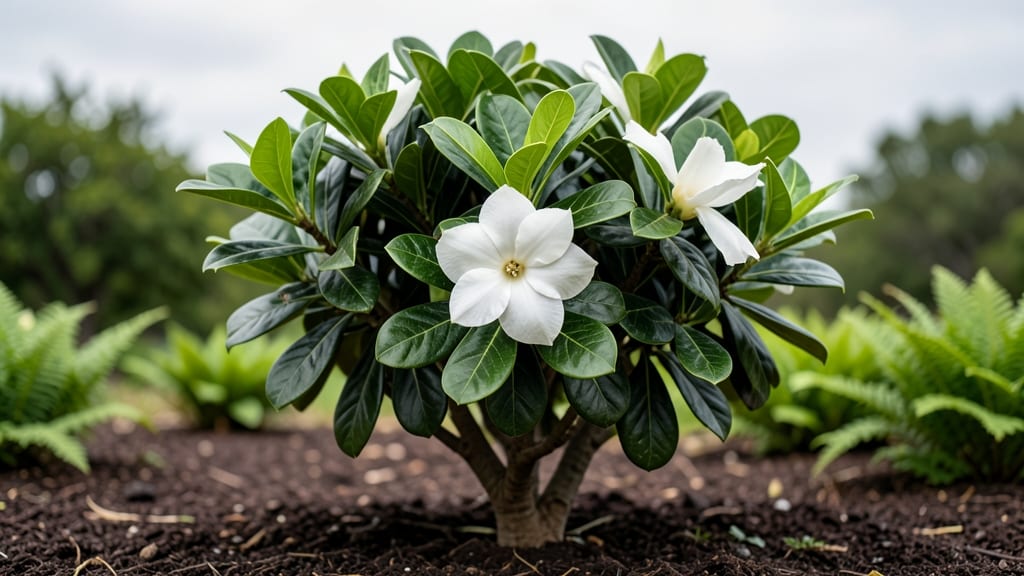
A gardenia tree’s height can transform your garden from a cozy corner to a fragrant focal point—if you know how to guide its growth.
If you’ve ever dreamed of a fragrant garden filled with creamy white blooms but worried about gardenia trees outgrowing their space, you’re not alone—these tropical beauties can reach 15 feet if left unchecked.
The good news? With the right pruning and care, you can keep them at a manageable 3-5 feet for dwarf varieties or even train them into a small tree.
Understanding the fast growth rate of gardenias—typically 6-12 inches per year—helps you plan for their mature size early. Whether you’re working with a standard or dwarf variety, knowing when to prune and how to encourage bushier growth will ensure your gardenia stays in perfect proportion to your space.
In this guide, I’ll break down everything you need to know: from height comparisons by variety to the best pruning techniques for full, fragrant blooms all season long.

How tall does a gardenia tree grow? Mature height by variety and growth rate
If you’ve ever dreamed of a fragrant garden filled with creamy white blooms but worried about gardenia trees outgrowing their space, you’re not alone. These tropical beauties can reach surprising heights—some varieties towering over 10 feet—if left unchecked.
The mature height of a gardenia tree depends entirely on its variety, growing conditions, and your pruning habits. Let’s break down the specifics so you can plan your garden layout with confidence.
Most gardenia trees belong to the Gardenia jasminoides species, but their growth habits vary widely. For example, the standard gardenia tree can easily reach 8 to 15 feet in ideal conditions, while dwarf varieties stay compact at just 3 to 5 feet.
Even within the same species, growth rates differ—some shoot up 6 to 12 inches per year, while others grow more slowly. Understanding these differences helps you choose the right variety for your space and manage its growth effectively.
Environmental factors play a huge role in how tall your gardenia tree grows. Full sun exposure (6+ hours daily) can accelerate growth by 20-30%, while partial shade slows it down. Similarly, well-draining, acidic soil (pH 5.0-6.5) fuels faster growth, whereas poor soil or alkaline conditions stunt development.
Even your watering habits matter—overwatering can lead to leggy, weak growth, while consistent moisture keeps the plant sturdy and compact.
🌿 Gardenia Tree Height Comparison by Variety
| Variety | Mature Height | Growth Rate (Per Year) | Best For |
|---|---|---|---|
| Gardenia jasminoides (Standard) | 8–15 ft | 6–12 in | Large gardens, privacy screens |
| Gardenia jasminoides 'Kleim's Hardy' (Semi-Dwarf) | 5–8 ft | 4–8 in | Medium spaces, containers |
| Gardenia jasminoides 'Radicans' (Dwarf) | 3–5 ft | 3–6 in | Patios, small yards, containers |
| Gardenia augusta (Tropical) | 10–12 ft | 8–15 in | Tropical climates, large landscapes |
| Gardenia jasminoides 'Veitchii' (Compact) | 4–6 ft | 4–7 in | Borders, foundation plantings |
💡 Pro Tip: Dwarf varieties like 'Radicans' are perfect for containers and can be pruned to stay even smaller!
When planning your garden, consider the growth rate alongside mature height. A standard gardenia tree might take 3–5 years to reach its full height, while dwarf varieties mature faster. For example, a 'Radicans' gardenia could hit 3 feet in just 2 years with proper care.
If you’re growing gardenias in containers, choose dwarf varieties—they thrive in 5-gallon pots and can be pruned to maintain a compact shape.
Soil quality is another critical factor. Gardenias hate alkaline soil—if your garden’s pH is above 6.5, amend it with peat moss or sulfur to keep it acidic.
Poor soil can slow growth by up to 50%, while rich, organic soil packed with compost can double your gardenia’s growth rate. Always test your soil before planting to avoid stunted growth.
Sunlight also dictates how tall your gardenia will grow. While they love bright light, direct afternoon sun can scorch leaves and lead to leggy growth. Instead, place your gardenia in a spot with morning sun and afternoon shade.
This balance encourages bushier, healthier growth while keeping the plant from stretching too tall. In container gardening, rotate pots occasionally to ensure even light exposure on all sides.
Pruning plays a huge role in managing height. Regular pruning in late winter or early spring encourages fuller blooms and controls height. For standard varieties, prune back 1/3 of the growth annually to maintain shape, while dwarf varieties need light trimming to shape them.
Avoid heavy pruning in fall or winter, as this can
When and how to prune gardenia trees for height control and maximum blooms
Pruning your gardenia tree isn’t just about controlling its height—it’s the secret to encouraging more fragrant blooms and keeping it lush. These tropical shrubs respond beautifully to proper pruning, but timing and technique matter.
I’ve learned that cutting at the wrong time can actually reduce flowers or stress the plant, so let’s dive into the best methods to shape your gardenia without sacrificing those intoxicating blooms.
Most gardeners make two common mistakes: pruning too late in the season or cutting back too aggressively. Spring pruning is ideal for shaping, while light pruning after blooming helps maintain size. The key is to use clean, sharp tools and focus on healthy growth rather than drastic height reduction.
Let’s break down the exact steps to prune your gardenia for both height control and maximum blooms.
Step-by-Step Pruning Guide for Gardenia Trees
-
Step 1: Choose the Right Season
Prune in early spring (just as new growth begins) or right after blooming (late spring/early summer). Avoid fall pruning, as it can stimulate tender growth that won’t survive winter.
-
Step 2: Gather Your Tools
Use sterilized pruning shears or bypass pruners for clean cuts. Wipe blades with rubbing alcohol between cuts to prevent disease spread.
-
Step 3: Remove Dead or Damaged Wood
Cut out any dead branches, crossing limbs, or weak growth first. These can harbor pests and reduce air circulation.
-
Step 4: Shape for Bushier Growth
To encourage fuller blooms, trim back overly long branches by one-third at an outward-facing 45-degree angle. This promotes new side shoots where flowers form.
-
Step 5: Control Height Gradually
For height reduction, never cut more than 25% of the plant’s height at once. Focus on the topmost growth to maintain a balanced shape.
-
Step 6: Clean Up and Fertilize
Remove all pruned debris from the area and apply a balanced acid fertilizer (like 10-10-10) to support new growth.
-
Step 7: Monitor for Pests
After pruning, watch for aphids or spider mites, which love fresh cuts. Spray with neem oil if you spot any pests.
If you’re aiming for a dwarf gardenia variety, pruning is even more critical. These varieties naturally stay between 3-5 feet tall, but without regular trimming, they can become leggy and sparse.
I recommend pruning dwarf varieties every 6-8 weeks during the growing season to maintain their compact shape while encouraging dense foliage and blooms.
Avoid the temptation to prune your gardenia in fall or winter, as this can delay spring blooming and leave the plant vulnerable to cold damage. Instead, focus on light maintenance pruning in late winter to remove any frozen or damaged tips.
This keeps the plant healthy without disrupting its natural blooming cycle.
Remember, gardenias bloom on new wood, so pruning too late can reduce next year’s flowers. By following these steps, you’ll enjoy a bushier, healthier gardenia with abundant blooms and a height that fits your space perfectly. Happy pruning!