
Blooming
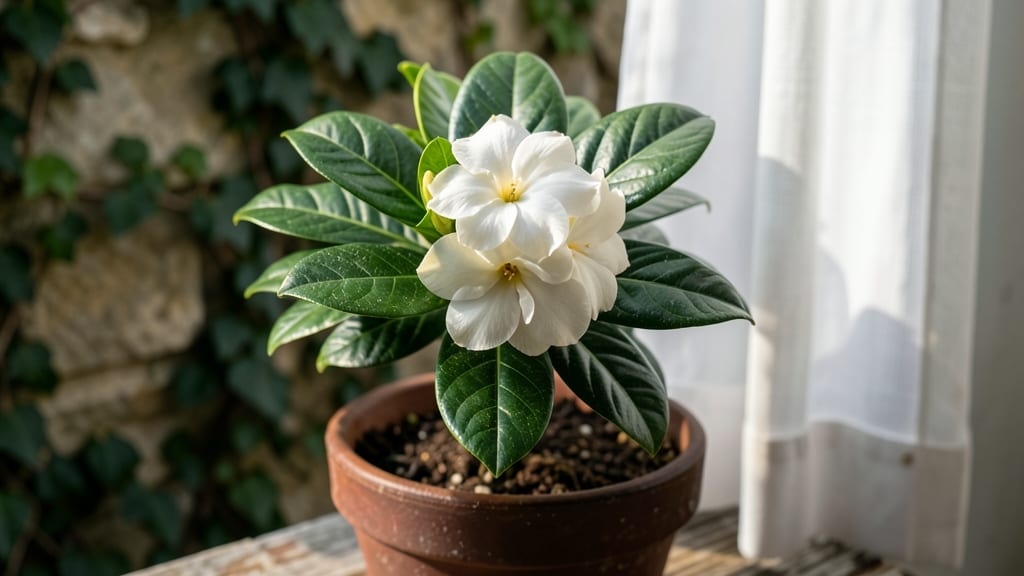
Gardenia blooms in Florida typically arrive between March and August, with peak fragrance shows that turn your yard into a tropical escape 🌸.
Florida gardenias are famous for their intoxicating fragrance, but timing their bloom can be tricky—especially with the state’s diverse climate zones. If you’re dreaming of fragrant summer evenings, knowing the exact months your gardenias will burst into bloom could mean the difference between a showstopping display and missed opportunities.
In North Florida, blooms often kick off in May and stretch into July, while Central Florida gardeners can expect fragrant flowers from April to June. Down in the South, the season starts earlier, with gardenias lighting up gardens as early as March and lingering through May.
Below, I’ll break down the exact months by region, share care tips to encourage longer blooms, and explain why some gardenias play hard to get—plus how to fix it.
Florida gardenia bloom seasons by climate zone: north vs. central vs. South
Florida’s diverse climate zones create a fascinating puzzle for gardenia lovers. While these fragrant shrubs thrive year-round, their bloom timing shifts dramatically from North Florida’s humid summers to South Florida’s early spring bursts. Understanding these patterns helps you plan pruning and fertilizing for maximum impact.
In Zone 8A-9A (North), expect blooms from May to July, while Zone 9B-10A (Central) sees flowers from April to June. South Florida’s Zone 10B-11 gardenias often start as early as March, sometimes even February in coastal areas.
The key difference lies in temperature triggers. Gardenias need warmth without extreme heat—think 75-85°F days with humid nights. North Florida’s hotter summers delay blooms until after the June heatwave subsides.
Meanwhile, South Florida’s milder winters allow earlier flowering. Microclimates play a role too: Coastal areas bloom 2-4 weeks earlier than inland regions due to moderating ocean breezes.
Here’s how to use this knowledge: If you live in North Florida, prune lightly in late winter to encourage spring growth that will bloom in May. Central Florida gardeners should fertilize in March to jumpstart blooms.
In South Florida, watch for early buds in February and protect them from unexpected cold snaps (below 40°F).
For extended blooming seasons, focus on soil acidity (aim for pH 5.0–6.0consistent moisture.
Gardenias in North Florida often produce fewer but larger blooms due to summer stress, while South Florida’s gardenias may rebloom lightly in fall if conditions remain ideal. Prune after blooming in each zone to maintain shape and encourage next year’s flowers.
Pro tip: Use a mulch layer (2–3 inches of pine bark) to retain moisture and regulate soil temperature. This helps North Florida gardenias bloom earlier in May and South Florida plants extend blooms into early June.
Avoid heavy pruning in summer, as this can delay next year’s blooms.
If you’re in transition zones (like Orlando or Tampa), pay attention to local weather patterns. A cool snap in April can halt blooming for weeks, while unusually warm March might trigger early buds.
Keep a gardening journal to track your gardenia’s personal bloom schedule—it’s the best way to predict future seasons.
Remember, gardenias bloom best with patience. Mature plants (3+ years old) produce more abundant flowers than young shrubs. If your North Florida gardenia skips blooming in 2024, it might be recovering from heat stress—give it
How to extend gardenia blooms in Florida: pruning, fertilizing, and care tips
Florida gardenias are prized for their intoxicating fragrance, but their blooms can be short-lived if you don’t optimize care. The key to longer, more abundant blooms lies in three critical areas: pruning timing, acidic soil maintenance, and targeted fertilization.
Unlike many plants, gardenias bloom on old wood, so pruning at the wrong time can cut off next year’s flowers. Let’s dive into the exact techniques that’ll transform your gardenias into fragrant showstoppers.
First, let’s tackle the most common misstep: pruning after blooms. Many gardeners prune in early spring, but this removes flower buds already forming on last year’s growth. Instead, wait until late summer or early fall, after the main bloom cycle ends.
This ensures you’re not sacrificing next season’s blooms for tidiness now. Pair this with light shaping cuts to maintain airflow—gardenias hate soggy leaves and are prone to fungal issues if crowded.
🌸 5 Pro Tips to Extend Your Gardenia Blooms
- 🌱 Test soil pH: Gardenias thrive in acidic soil (pH 5.0-6.0). Use a soil test kit and amend with sulfur or peat moss if needed.
- 💧 Water deeply in the morning only to prevent fungal diseases. 1-2 gallons per plant keeps roots happy without waterlogging.
- ✂️ Prune after blooming (August-September) to avoid cutting off next year’s buds. Remove only dead or crossing branches.
- 🌿 Fertilize with high-phosphorus (e.g., 8-4-8 or 10-5-10) every 6-8 weeks during growing season. Skip winter feeding.
- ☀️ Provide partial shade: Morning sun + afternoon shade prevents leaf scorch while supporting bloom production.
Next up: fertilization strategies that actually work. Gardenias are heavy feeders, but they demand the right nutrients. A high-phosphorus fertilizer (like 10-5-10) is your best bet—phosphorus directly fuels flower production.
Apply it every 6-8 weeks from spring through fall, but reduce to half-strength in summer’s peak heat to avoid burning roots. Pro tip: Work fertilizer into the soil rather than surface-dressing to ensure roots access it.
Don’t overlook the soil’s role—gardenias are acid-loving divas that wilt when soil pH creeps above 6.0. Test your soil annually and amend with elemental sulfur or pine bark fines to maintain that 5.0-6.0 range.
Mulch with pine needles or oak leaves to slowly acidify the soil over time. A happy root system = more blooms, so this step is non-negotiable for Florida gardeners.
Finally, let’s talk watering wisdom. Gardenias need consistent moisture, but they’ll drown in soggy soil. Water deeply 2-3 times per week (daily in summer), always in the morning to let leaves dry before nightfall.
Avoid wetting foliage to prevent powdery mildew, a common gardenia nemesis. If your plant’s leaves start yellowing or dropping, it’s often a sign of overwatering or poor drainage—adjust immediately to save your blooms.
With these targeted care strategies, your Florida gardenias will reward you with longer bloom cycles and more intoxicating fragrance. The secret? Timing everything right—prune after blooms, feed with phosphorus, and keep soil acidic. Your fragrant summer evenings are just a few adjustments away! 🌸