
Container Gardens
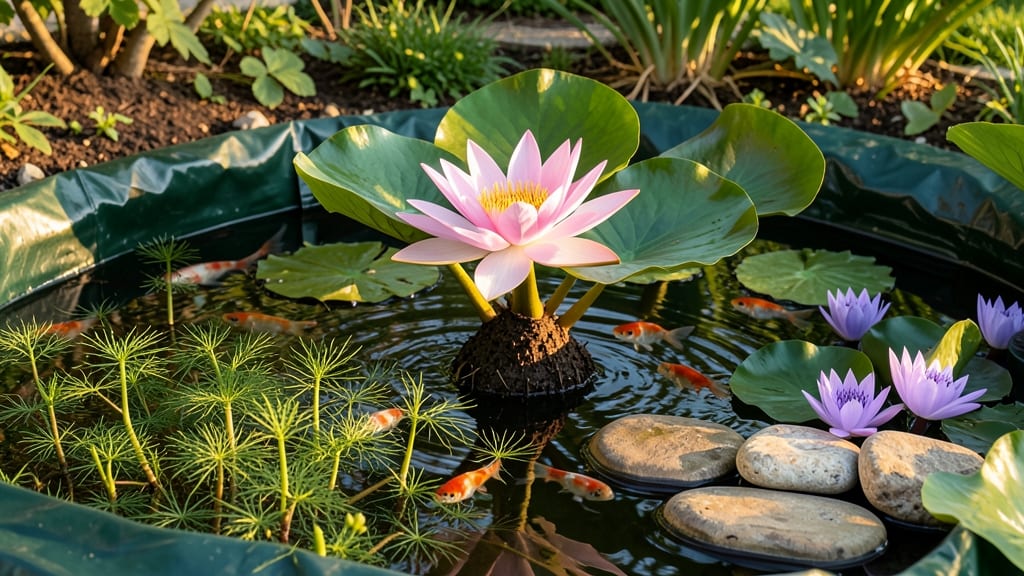
Finding aquatic gardens near you reveals tranquil water features and vibrant aquatic plant collections that create peaceful landscapes. Explore local botanical gardens, nature reserves, or public parks for ponds, waterfalls, and curated aquatic displays, often featuring educational tours and plant care workshops.
Aquatic gardens serve as living ecosystems where water plants, fish, and natural features coexist harmoniously. 🌿 Many of these spaces focus on conservation, using native plants to support local wildlife while providing serene viewing areas.
I've noticed that the best ones often include interactive elements like koi ponds or rain gardens, which make them engaging for visitors of all ages. These gardens also frequently host seasonal events, such as pond maintenance demonstrations or aquatic plant identification walks.
If you're looking for inspiration, start by searching for "aquatic gardens near me" on gardening forums or local tourism websites. Many cities have hidden gems in university campuses or community parks that showcase innovative water gardening techniques.
For example, some feature biofiltration systems that naturally clean water while supporting aquatic life, offering practical lessons for home gardeners.
💡 In This Article
- Designing Your Own Aquatic Garden at Home
- Top-Rated Aquatic Gardens Across the U.S. for Inspiration
Designing your own aquatic garden at home
Creating an aquatic garden transforms any outdoor space into a thriving micro-ecosystem. The foundation starts with selecting the right plants—divided into three key categories: oxygenators (like hornwort or anacharis), floaters (water lilies or frogbit), and marginals (cattails or sweet flag).
Oxygenators release bubbles that keep water healthy, while floaters provide shade to prevent algae. Marginals anchor the edges, creating natural transitions between water and land. 🌿 The plant ratio matters too: aim for 50% oxygenators, 30% floaters, and 20% marginals to balance the ecosystem.
Design begins with the pond’s shape and depth. A 3-foot-deep area in the center ensures fish can overwinter safely, while shallow edges (6 inches deep) accommodate marginal plants. Use natural materials like fieldstone or logs for edges—they blend seamlessly and provide habitat for amphibians.
For circulation, a small pump (300-500 gallons per hour) creates gentle water movement, preventing stagnation. This mimics natural wetlands, where water flows slowly through plant beds.
Seasonal maintenance is where most home gardeners stumble. In spring, remove dead foliage and fertilize marginals with slow-release pellets. Summer demands vigilance: top off water lost to evaporation and trim floaters to avoid overcrowding. Fall is for cleaning—skimming debris and adding beneficial bacteria to break down organic matter.
Winter care varies by climate: in colder zones, cover ponds with netting to prevent leaf debris buildup. 🍂 Pro tip: A 1-inch layer of mulch around marginal plants insulates roots during freezes.
Balancing the ecosystem requires patience. Start with hardy species like water hyacinth or water lettuce—they spread quickly and outcompete algae. If adding fish, introduce them gradually (e.g., 3-5 koi per 100 square feet) to avoid overloading the system.
Test water parameters monthly: ideal pH is 6.5-7.5, and ammonia should stay below 0.25 ppm. Most problems stem from imbalances, so monitor closely in the first year.
Lighting and aeration often get overlooked but are critical. Submersible LED lights (12V, 3000K) highlight plants at night, while air stones (2-4 per 100 square feet) ensure oxygenation.
Place lights near marginals to create a dramatic effect, but avoid shining directly on water lilies—it can stress their roots. For a low-maintenance touch, consider preformed pond liners (45-mil EPDM) instead of concrete, which flex with seasonal ground shifts.
Inspiration comes from observing how water interacts with plants. Notice how cattails sway in currents or how lotus pads rise above the surface—these are clues for designing layers.
At home, I’ve found that adding a small waterfall (12-18 inches high) not only oxygenates the water but also attracts birds and butterflies. The sound of trickling water creates a calming focal point, turning your garden into a personal retreat. 💫