
How To
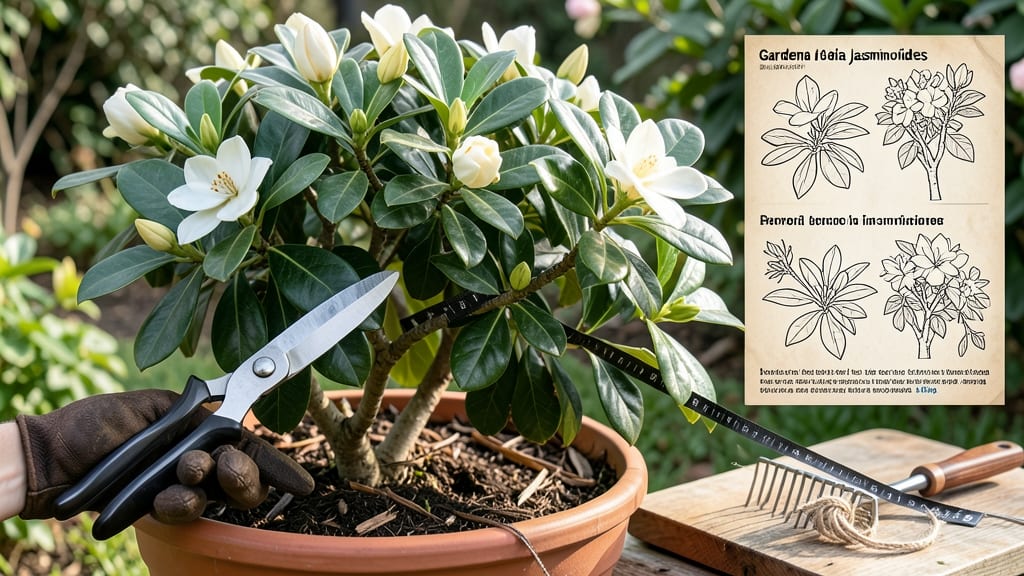
You can cut back gardenias by up to one-third of their height without harming the plant — the key is knowing where and when to trim for healthier blooms and fuller growth.
Pruning gardenias can feel risky, especially if you’ve ever watched a plant struggle after aggressive cuts. But with the right technique, you’ll encourage denser foliage and more fragrant flowers while keeping your 🌸 thriving.
Most gardeners make two big mistakes: cutting too late in the season or pruning at the wrong spots. The best time to shape your gardenia is right after it finishes blooming, and always above a leaf node to promote new growth.
In this guide, I’ll walk you through the exact pruning rules for gardenias, including how to avoid over-trimming, the right tools to use, and seasonal timing that keeps your plant happy and blooming year after year.
Safe pruning limits for gardenias: how far you can cut without harming the plant
Pruning gardenias properly ensures healthy growth and abundant blooms without stressing the plant. The key is understanding the 1/3 rule—never remove more than one-third of the plant in a single session.
This rule prevents shock and maintains the plant's natural balance, allowing it to recover and thrive. Gardenias are delicate, so precision matters more than aggressive cutting.
When pruning, always cut just above a leaf node—the point where leaves or branches meet the stem. This encourages new growth in the right direction. Avoid cutting into old wood or bare stems, as these areas won’t regenerate leaves or flowers.
Think of each cut as a growth signal for your gardenia, guiding it to produce denser foliage and more blooms.
Timing is everything. The best time to prune is late winter or early spring, right before new growth begins. This gives your gardenia time to recover before the growing season.
Avoid pruning in fall or winter, as cold temperatures slow healing. If you must shape your gardenia outside this window, do so lightly to minimize stress.
Over-pruning is a common mistake that can stunt blooms and weaken the plant. Signs of over-pruning include yellowing leaves, fewer flowers, or bare stems. If you’ve already cut too much, don’t panic—focus on watering deeply and fertilizing lightly to help your gardenia recover.
Patience is key; new growth will return with proper care.
| Pruning Rule | Safe Limit | Best Practice | Risk of Over-Pruning |
|---|---|---|---|
| Maximum Cut Percentage | 1/3 of the plant | Remove no more than 33% in one session | Stunted growth, fewer blooms, plant shock |
| Cutting Location | Above leaf nodes | Cut just above a leaf or bud | Bare stems, weak regrowth, poor flowering |
| Seasonal Timing | Late winter/early spring | Prune before new growth begins | Delayed blooms, stressed plant, winter damage |
| Tool Sharpness | Clean, sharp pruners | Use sterilized tools to avoid disease | Ragged cuts, infections, slow healing |
| Recovery Time | 4-6 weeks | Allow time for new growth before next prune | Overworked plant, reduced vigor |
Not all cuts are created equal. Use clean, sharp pruners to make smooth cuts at a 45-degree angle. This prevents tearing and reduces the risk of disease. Dull tools crush stems, creating entry points for bacteria and fungi.
After pruning, dispose of clippings properly—compost them if disease-free, or trash them if signs of infection appear.
Young gardenias benefit from light pruning to encourage bushier growth. Focus on removing dead or crossing branches while leaving the majority of the plant intact. Mature gardenias, on the other hand, may need more structured shaping to maintain their size and flowering potential.
Always step back and assess the plant’s shape—aim for an open, airy structure that allows light and air to circulate.
If your gardenia stops blooming after pruning, it might be a sign of over-pruning or stress. To encourage flowers, reduce pruning in the following year and focus on fertilizing with acid-loving plant food.
Gardenias thrive in acidic soil (pH 5.0-6.0), so a monthly feeding with a balanced fertilizer can make a big difference. Pair this with consistent watering and morning sunlight for best results.
Pruning isn’t just about cutting—it’s about communicating with your plant. Each snip should be intentional, guiding the gardenia toward healthier growth and more blooms. With patience and precision, you’ll master the art of pruning and enjoy a gardenia that flourishes year after year. Happy pruning! 🌸
Step-by-step pruning guide: when and how to cut gardenias for maximum blooms
Timing is everything when pruning gardenias. The best time to trim is right after the plant finishes blooming in late spring or early summer. This gives your 🌸 time to recover before winter dormancy.
Avoid pruning in fall or winter, as this can stress the plant and reduce next year’s flowers.
Gardenias bloom on new wood, so pruning encourages fresh growth and more blooms. If you miss the spring window, you can do a light shaping trim in early fall, but never cut back more than 10% of the plant during this time.
Always use clean, sharp tools to prevent disease.
How Far Can You Cut Back Gardenias?
-
Step 1: Identify Dead or Diseased Branches
Remove any brown, mushy, or crisscrossing branches first. Cut these back to the main stem or nearest healthy leaf node.
-
Step 2: Prune for Shape and Airflow
Shape your gardenia by cutting back 1/3 of the plant’s height (never more!). Focus on inner branches to improve airflow and reduce humidity-related diseases.
-
Step 3: Cut Above Leaf Nodes
Always make cuts just above a leaf node (where leaves or buds grow). This encourages new growth and more blooms. Use a 45-degree angle to prevent water pooling.
-
Step 4: Avoid Over-Pruning Old Wood
Never cut back old, woody stems to the ground. Gardenias struggle to regrow from bare wood. Instead, trim to outer leaf nodes to maintain structure.
-
Step 5: Clean Up and Fertilize
After pruning, sterilize tools with rubbing alcohol. Apply a balanced fertilizer (10-10-10) to support recovery and encourage new growth.
For young gardenias, you can be slightly more aggressive—up to 25% of the plant—to encourage bushier growth. Mature plants, however, should never exceed the 1/3 rule. If your gardenia is overgrown, spread pruning over 2-3 years to avoid shock.
After pruning, monitor your plant closely. Yellowing leaves or dropped buds may signal stress. Increase watering slightly and keep the soil moist but not soggy to help recovery. With proper care, your gardenia will reward you with even more fragrant blooms next season.
Pro tip: Take a photo of your gardenia before pruning to reference its original shape. This helps you visualize where to cut and maintain balance. Happy pruning! ✂️🌿