
Blooming
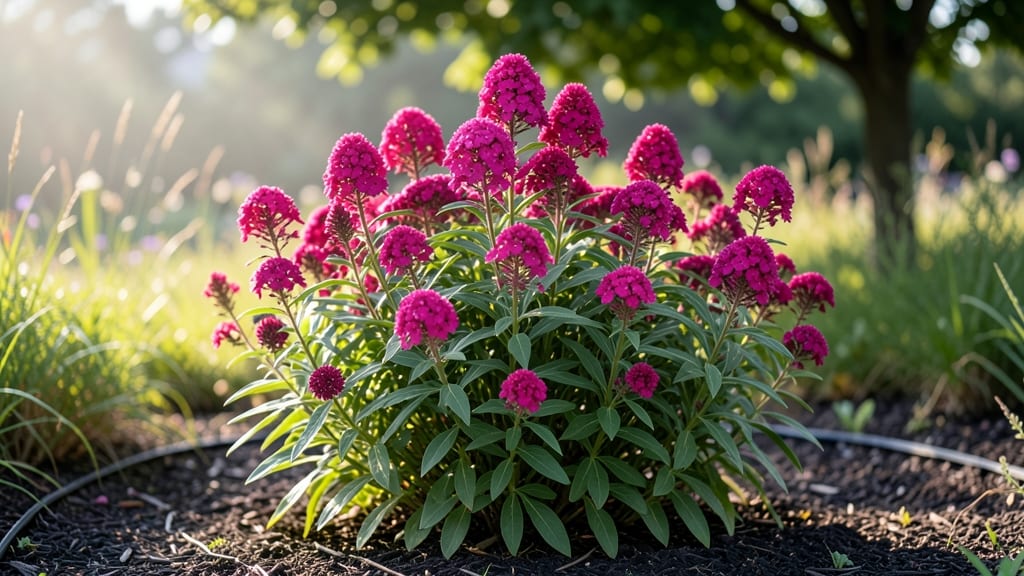
Garden phlox bloom for 4 to 8 weeks per season, with peak flowering lasting 2 to 4 weeks depending on variety, sunlight, and care. Early-blooming types (like Phlox paniculata) start in mid-summer, while late varieties extend into fall. Deadheading spent blooms encourages longer, more abundant displays.
Garden phlox are summer's showstoppers, with their vibrant clusters drawing pollinators for weeks.
The 4 to 8 week bloom window actually varies dramatically between types—some annual varieties like Phlox drummondii burst into color in late spring and fade by early summer, while hardy perennials like Phlox paniculata can stretch their display until frost. 🌸 What's fascinating is how temperature triggers blooming: cooler spring nights actually help delay opening too soon, while consistent afternoon sun keeps flowers vibrant longer.
I've seen phlox in my Zone 5 garden bloom for nearly three months when given proper care and deadheading.
The real secret to maximizing bloom time lies in understanding each variety's natural rhythm. For instance, creeping phlox (Phlox subulata) often blooms earliest in spring, while tall garden phlox (Phlox paniculata) peaks in mid-to-late summer.
The key is to match your planting location to these timelines—placing early bloomers where you'll notice them first, then letting later varieties take center stage as summer progresses.
💡 In This Article
- Phlox Bloom Duration by Variety: From Early Summer to Fall
- Extending Phlox Blooms: Pruning, Fertilizing, and Light Tips
Phlox bloom duration by variety: from early summer to fall
Garden phlox varieties exhibit dramatic differences in bloom duration due to their genetic programming and environmental triggers.
Take Phlox paniculata, the classic tall garden phlox: its blooming season typically spans 6 to 8 weeks from mid-summer to early fall, with peak intensity during 2 to 3 weeks in late July and August.
This variety's flowering is triggered by a combination of day length (photoperiodism) and cooler temperatures—once days begin shortening in late summer, the plant shifts from vegetative growth to flowering.
In contrast, Phlox drummondii (annual phlox) blooms more aggressively but briefly, with 3 to 5 weeks of vibrant color from late spring to early summer.
The science behind these differences lies in phlox's response to temperature fluctuations. Most varieties require 50-60°F nighttime temperatures to initiate blooming, which explains why early varieties like Phlox subulata (creeping phlox) often bloom in spring when nights are still cool.
However, if summer heat arrives too early, some varieties may bloom prematurely and fade quickly—a phenomenon gardeners in Zone 6 or warmer often encounter. Interestingly, Phlox paniculata can sometimes produce a second, smaller flush of blooms in fall if given proper care, especially in regions with mild autumns.
Climate zones play a critical role in extending or shortening bloom times. In Zones 3-5, where summers are cooler, phlox often bloom for the full 8-week window because the gradual temperature drop in fall triggers extended flowering.
Meanwhile, in Zones 7-9, the intense summer heat can cause early varieties to bolt (produce seed stalks) and finish blooming by early August.
This is why selecting the right variety for your zone is essential—late-blooming Phlox paniculata cultivars like 'David' thrive in southern climates, while northern gardeners often prefer early varieties like 'Bright Eyes' that handle cooler temperatures better.
What most gardeners don't realize is that some phlox varieties exhibit reblooming tendencies under ideal conditions. For example, if you deadhead Phlox paniculata consistently and provide balanced fertilization (10-10-10 ratio), you may coax a second bloom cycle in late summer or early fall.
The key is maintaining 6-8 hours of direct sunlight daily and keeping soil moisture consistent—drought stress can cause flowers to abort prematurely. I've observed that phlox in containers often bloom 1-2 weeks longer than those in garden beds because container soil stays more uniformly moist.
Color also influences bloom duration—darker shades like deep purple and magenta tend to fade slightly faster under intense sunlight than lighter pinks or whites due to UV light degradation of anthocyanin pigments. However, this effect is minimal and doesn't typically reduce total bloom time by more than 5-7 days.
The most dramatic extensions come from proper care: phlox in my Zone 5 garden that receive weekly deadheading and mulched roots consistently bloom for 3-4 weeks longer than neglected plants.
For those in cooler climates, consider planting a mix of early and late varieties to create a continuous bloom display. Start with Phlox subulata in spring, transition to Phlox drummondii in early summer, and finish with Phlox paniculata through fall.
This staggered approach ensures your garden remains vibrant for up to 12 weeks without gaps. The secret lies in understanding each variety's natural rhythm and providing the right growing conditions at each stage.