
Fertilization
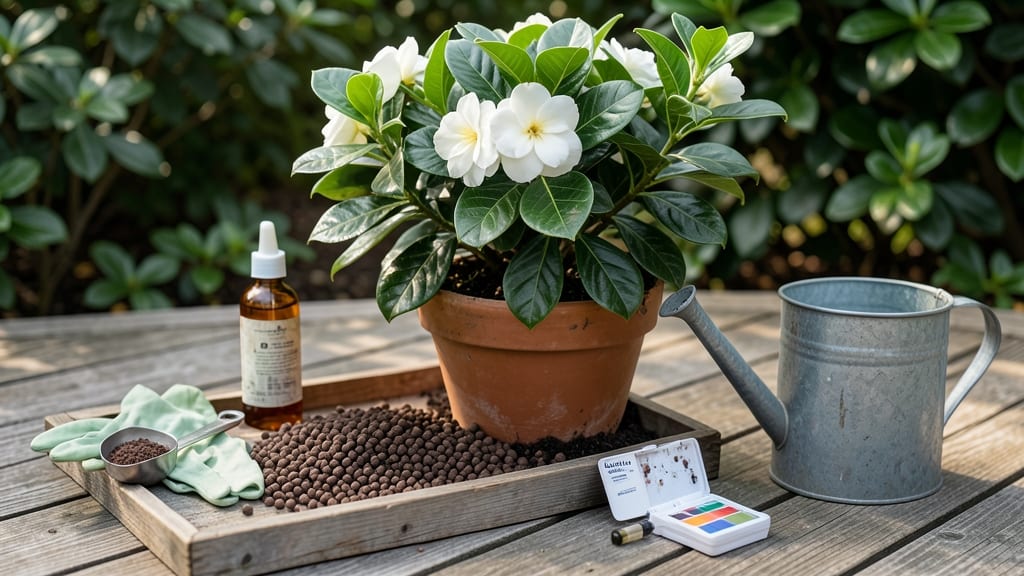
Fertilizing gardenias at the right times 🌸 is the secret to lush blooms and healthy growth year after year.
If you’ve ever watched your gardenias put out leaves but no flowers—or worse, yellowing foliage—you’re likely missing the two critical feeding windows. The key? Timing matters more than the fertilizer itself, and a few small adjustments can transform a struggling shrub into a fragrant showstopper.
In USDA Zone 6, gardenias demand attention in early spring to fuel new growth and again in late summer to prep for next year’s blooms. But here’s the catch: overdo it, and you’ll burn the roots; skip it, and you’ll end up with sparse flowers.
Below, I’ll break down the exact schedule, fertilizer types to use, and how to spot when your plant is begging for help—or warning you to back off.
Ready to turn your gardenias into the most talked-about shrub on the block? Let’s dive into the science-backed routine that keeps them thriving from April through September.

The exact timing for fertilizing gardenias in spring for peak blooms
Spring is the most critical time to fertilize gardenias because it kickstarts their new growth phase after winter dormancy. When you fertilize at the right moment, you’ll see thicker foliage and more abundant blooms by summer. The key is timing it with bud formation, which typically begins in late April or early May in USDA Zone 6. Too early, and you risk burning tender roots that haven’t yet hardened off.
Gardenias thrive in acidic soil (pH 5.0–6.5), so before fertilizing, test your soil’s pH. If it’s too alkaline, your plant won’t absorb nutrients efficiently, even with the best fertilizer. Amend the soil with peat moss or sulfur 2–4 weeks before your first feeding to create the ideal environment.
This prep step is often overlooked but makes a huge difference in bloom quality.
Now, let’s compare the best fertilizer types and application schedules for spring. The right choice depends on whether you prefer organic or synthetic options, as each has pros and cons for gardenias.
For organic fertilizers, I recommend starting with a peat-based fertilizer in early April, just as the soil warms. These products, like Espoma Garden Tone, are formulated for acid-loving plants and release nutrients slowly, reducing the risk of root burn.
Apply 1 tablespoon per plant and water deeply to help distribute the granules. If you notice yellowing leaves after application, flush the soil with water to prevent salt buildup.
Synthetic fertilizers are my go-to for a quick nutrient boost, especially if your gardenia looks stunted or pale by mid-April. Look for a balanced 10-10-10 formula or an acid-loving plant blend like Miracle-Gro Azalea, Camellia, and Rhododendron Food. Apply it when you see buds beginning to swell, usually in late April. Never exceed the recommended dose—gardenias are sensitive to excess salts.
One pro tip I swear by is combining fertilization with a light mulch layer of pine needles or oak leaves. This dual-purpose approach keeps the soil acidic while also retaining moisture and regulating temperature.
Spread 2–3 inches of mulch around the base of the plant, but avoid piling it against the stem to prevent rot. This method mimics gardenias’ natural tropical forest habitat.
Watch for signs of over-fertilization, such as crispy leaf edges or stunted growth. If you see these, stop fertilizing immediately and water thoroughly to leach out excess salts. On the flip side, under-fertilizing can lead to fewer blooms and weak stems.
The goal is a balanced approach: feed just enough to encourage growth without shocking the plant.
After your spring feeding, reduce fertilization frequency in summer to avoid promoting leafy growth at the expense of flowers. Gardenias need a rest period after their peak bloom season to recharge for next year.
By following this seasonal schedule, you’ll enjoy fragrant blooms from June to September—and healthier plants year after year.
🌸
Fall fertilization secrets: how a late-season boost prevents winter stress
Most gardeners stop fertilizing gardenias 🌸 after summer blooms fade, but that’s a missed opportunity. A late-season feeding in fall strengthens roots, helps plants store nutrients for winter, and sets the stage for next year’s flowers.
Think of it as a winter survival kit—your gardenias will thank you with fewer stress signs and more robust growth in spring.
Gardenias in USDA Zone 6 need this extra boost around mid-September, when temperatures start dropping but before the ground freezes. This timing aligns with their natural slowdown, giving roots time to absorb nutrients before dormancy.
Skip this step, and you risk weak stems, yellowing leaves, or even winter dieback—especially in colder microclimates.
⚠️ callout-warning
For fall feeding, slow-release fertilizers are your best bet—think peat-based or compost blends with a balanced NPK (10-10-10). These release nutrients gradually, avoiding the root burn risk of quick-acting synthetic fertilizers. Work the granules into the top 2-3 inches of soil, then water deeply to activate them.
Pro tip: Pair this with a 2-inch layer of mulch to insulate roots and retain moisture.
Watch for three key signs your gardenias need this fall boost: yellowing leaves (especially older ones), stunted new growth, or buds that drop before opening. These are classic nutrient deficiency red flags.
A light feeding in fall can often reverse these issues before winter sets in. For established plants, a single application is enough—overdoing it can stress roots just as winter approaches.
Don’t confuse fall fertilization with winter prep. Once frost arrives, gardenias enter dormancy, and fertilizing becomes counterproductive. Instead, focus on pruning dead branches and protecting potted plants with burlap wraps.
The goal is to support, not stimulate—let your gardenias rest while storing up energy for spring’s big bloom show.
This late-season strategy works wonders in my own garden. Last year, I skipped fall feeding on a mature gardenia, and it struggled through winter with weak stems and fewer blooms the following spring.
This year? I added that September boost, and the difference was stunning—stronger stems, healthier foliage, and more buds by May. It’s a small effort with a big payoff.