
How To
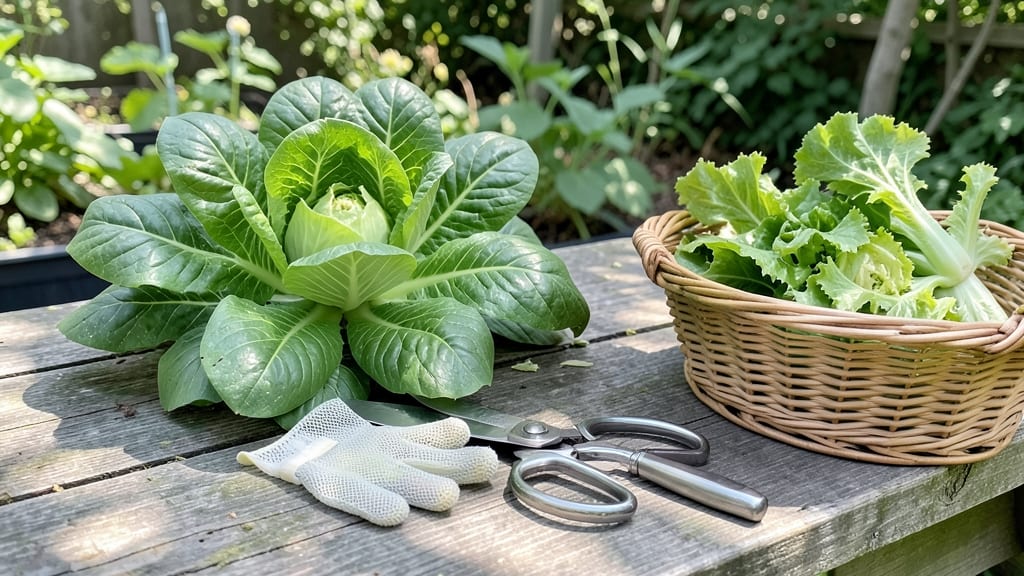
To harvest lettuce from your garden at the perfect moment means crisp, sweet leaves that taste like nothing store-bought can match 🥬.
Nothing beats the fresh, crisp taste of homegrown lettuce—but timing your harvest wrong can turn sweet leaves into bitter disappointment. Whether you're growing loose-leaf or head varieties, knowing when and how to pick ensures your garden keeps producing for weeks.
You don’t need fancy tools or complicated techniques—just a sharp knife, a sunny morning, and a little patience. Below, I’ll walk you through the exact steps to harvest lettuce without damaging the plant, plus when to pick for maximum flavor and how to encourage regrowth.
From recognizing the ideal harvest signs to storing your bounty for longer freshness, you’ll learn everything you need to keep your garden thriving and your salads delicious all season long.

When to harvest lettuce for maximum flavor and texture
Timing your lettuce harvest is everything—pick too early, and you sacrifice flavor; wait too long, and your crisp leaves turn bitter or bolt into flower stalks. The key lies in understanding your lettuce variety (leaf vs. head types) and watching for visual maturity cues like leaf size and color.
For loose-leaf varieties, you can often harvest multiple times, while head lettuce like romaine demands precision to avoid tough, fibrous centers.
Seasonal timing also plays a critical role. Lettuce thrives in cool temperatures (50-75°F) and struggles when days grow long and hot—this is why spring and fall harvests yield the sweetest, crispiest leaves.
In my Zone 6a garden, I focus harvests on May-June and September-October to avoid summer heat stress, which triggers bolting. Pay attention to your local last frost date (April 15 in my region) to plan planting windows that ensure harvests before summer arrives.
Environmental cues like leaf firmness and color intensity are your best friends. For leaf lettuce, harvest outer leaves when they reach 4-6 inches long and are deep green or vibrant red (depending on variety).
For head lettuce, wait until the head feels firm and compact—about 2-3 inches in diameter—with no signs of loosening. Overly large heads often develop woody stems and bitter flavors.
| Lettuce Type | Harvest Timeframe | Leaf Size | Color Indicator | Best Season |
|---|---|---|---|---|
| Loose-Leaf (e.g., Buttercrunch, Oakleaf) | 30-45 days | 4-6 inches | Deep green or red | Spring/Fall |
| Romaine (e.g., Paris Island) | 50-60 days | 6-8 inches tall | Dark green, upright | Spring/Fall |
| Iceberg (e.g., Crisphead) | 70-80 days | 8-10 inches diameter | Pale green, compact | Fall (heat-sensitive) |
| Leaf Lettuce (e.g., Red Sails) | 28-35 days | 3-5 inches per leaf | Vibrant red/green | Spring/Fall |
Temperature is another critical factor. Lettuce grows best in cool weather (50-75°F), and heat above 80°F triggers bolting—the process where lettuce sends up a flower stalk, rendering leaves bitter and tough.
In my garden, I monitor day length and avoid planting lettuce when days exceed 14 hours of sunlight, which typically starts in late June. For summer harvests, opt for heat-tolerant varieties like Jericho or Black Seeded Simpson, which can handle slightly warmer conditions.
Sunlight exposure also affects harvest timing. While lettuce prefers partial shade (4-6 hours of sun daily), too little light leads to leggy, pale leaves, and too much causes bolting. I position my lettuce beds in morning sun (6 AM-12 PM) with afternoon shade, especially in summer.
If your lettuce starts stretching toward the light, it’s a sign it needs more shade or cooler temperatures to mature properly.
Don’t ignore the soil and moisture conditions either. Lettuce needs consistently moist soil but will develop bitter flavors if overwatered or stressed. Before harvesting, ensure the soil is well-drained but not soggy.
A quick check is to press your finger 1 inch into the soil—if it feels dry, water before harvesting. Overly dry soil can make leaves tough and bitter, while excess moisture promotes disease.
One of my biggest mistakes was waiting too long to harvest romaine lettuce, thinking it would get sweeter. Instead, the heads became loose and woody, with a bitter taste that ruined my salads.
Now, I harvest romaine when the heads are firm and upright, about 6-8 inches tall, and use the "thumb test": if the leaves spring back when gently pressed, they’re ready.
For leaf lettuce, I harvest outer leaves first, leaving the inner growth to continue producing for 3-4 weeks.
Finally, watch for bolting signs—tall, thin stems shooting up from the center of the plant. This means your lettuce is stressed, likely from heat or long daylight, and the leaves will turn bitter.
If you see bolting, harvest any remaining edible leaves immediately and pull the plant to prevent seed spread. To avoid bolting, I always succ
Step-by-Step lettuce harvesting techniques to avoid damage
Harvesting lettuce the right way ensures you get crisp, flavorful leaves while keeping your plants healthy for future harvests 🥬. The key is to use the proper technique—whether you're picking individual leaves or harvesting whole heads—so you don’t stress the plant or trigger bolting.
I’ll show you how to do it without damaging the roots or leaves, plus which tools to use (and which to avoid).
For loose-leaf varieties, you can pick leaves as they mature, while head lettuce like romaine or iceberg should be harvested all at once when fully formed. The method you choose depends on your variety and whether you want continuous harvests or a single large yield.
Always harvest in the morning after dew dries for the freshest, crispest leaves.
How to Harvest Lettuce from Garden
- 🌱 Step 1: Choose Your Tools
Use a sharp knife or clean scissors for cutting—never pull leaves by hand, as this can damage the plant. For loose-leaf varieties, you can also use your fingers to gently pinch off outer leaves. - 💧 Step 2: Water Before Harvesting
Lightly water the soil 1-2 hours before to make leaves crisp and easier to handle. Avoid harvesting after heavy rain, as wet leaves bruise easily. - ✂️ Step 3: Harvest Loose-Leaf Lettuce
For continuous harvests, pick outer leaves first, leaving the inner leaves to grow. Cut or pinch leaves 1-2 inches above the base to encourage regrowth. - 🥬 Step 4: Harvest Head Lettuce
For romaine, iceberg, or butterhead, cut the entire head 1 inch above the soil using a sharp knife. This ensures the plant bolts (if it’s time) but won’t regrow. - 🌿 Step 5: Handle Bolting Plants
If your lettuce starts bolting (sending up a flower stalk), harvest the remaining leaves immediately. Bolting makes leaves bitter, but you can still use them in cooked dishes like soups or stir-fries. - 🛡️ Step 6: Check for Pests
Inspect leaves for aphids, slugs, or snails during harvest. Remove any damaged leaves and treat pests with neem oil or soapy water if needed. - 💧 Step 7: Post-Harvest Care
After harvesting, water the soil and apply a light nitrogen fertilizer to encourage regrowth in loose-leaf varieties. Mulch around the base to retain moisture.
If you’re growing loose-leaf varieties, you can harvest every 2-3 weeks for continuous production, while head lettuce should be harvested once it reaches full size. Always leave at least 1/3 of the plant intact if you want regrowth, especially with loose-leaf types like buttercrunch or oakleaf.
Overharvesting weakens the plant and reduces future yields.
One common mistake is harvesting lettuce during hot summer days, which causes it to bolt prematurely. Instead, focus on spring and fall harvests when temperatures are cooler. If you notice leaves turning bitter or developing flower stalks, it’s time to harvest immediately—even if the leaves aren’t fully mature.
After harvesting, store your lettuce in the crisper drawer of your fridge wrapped in a damp paper towel to maintain crispness. For long-term storage, you can also blanch and freeze leaves, though texture may soften slightly. With the right techniques, you’ll enjoy fresh lettuce straight from your garden for weeks!