
Tools
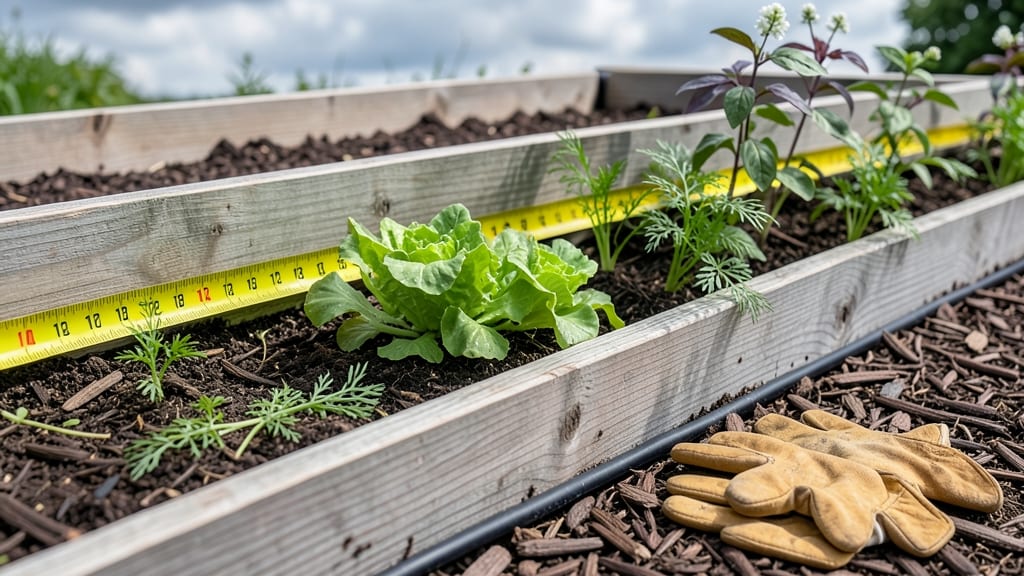
The ideal garden bed height for most plants is between 6–12 inches, creating the perfect balance between root space, drainage, and soil temperature while preventing compaction and erosion.
This height range works because it accommodates the root systems of most vegetables and flowers—giving them enough depth to establish strong roots while keeping the soil loose and well-aerated. 🌱 Shallower beds (under 6 inches) risk poor drainage and overheating, while beds taller than 12 inches can become difficult to maintain and may develop compaction at the bottom.
I’ve found that this middle ground also makes it easier to manage weeds and water efficiently without overworking the soil.
For raised beds specifically, this height range is ideal because it allows for proper layering—starting with cardboard or landscape fabric at the bottom, followed by compost and topsoil. The extra height also helps retain warmth in cooler climates, which is especially beneficial for early spring planting.
💡 In This Article
- How Root Depth and Soil Science Influence Garden Bed Height
- Building and Maintaining the Perfect Raised Garden Bed
How root depth and soil science influence garden bed height
The 6–12 inch height range aligns perfectly with how most garden plants develop their root systems.
For example, shallow-rooted vegetables like lettuce or radishes typically grow roots that extend 6–12 inches deep, while deeper-rooted crops like carrots or tomatoes can reach 12–18 inches but still benefit from the upper 12 inches of loose, nutrient-rich soil.
This depth provides enough space for roots to spread horizontally while accessing moisture and nutrients without hitting compacted subsoil.
Drainage efficiency is another critical factor. A 6-inch bed may drain too quickly, especially in sandy soils, while a 12-inch bed allows for better moisture retention without becoming waterlogged.
The science here involves soil porosity: the ideal height creates a balance where water can percolate through the top layers while the bottom remains slightly damp, mimicking natural forest floor conditions where plants thrive. 🌱 In contrast, beds over 12 inches risk developing anaerobic zones at the bottom, where roots suffocate from lack of oxygen.
Soil temperature plays a surprising role in bed height. The top 6 inches of soil warms up fastest in spring, creating an ideal environment for seed germination. A 12-inch bed maintains this warmth longer because the sides retain heat, while shallower beds cool down quickly.
This is why gardeners in cooler climates often opt for taller beds—the extra height acts like a thermal blanket, extending the growing season by 2–3 weeks for early crops.
Compaction is the silent killer of root growth, and bed height directly impacts this. Walking on or working shallow beds (4 inches) compresses the soil, reducing pore space by up to 50%—roots struggle to penetrate compacted layers.
In contrast, a 12-inch bed distributes foot traffic across a larger volume, keeping the root zone loose. The bottom layers naturally compact less because they're protected by the upper soil mass, creating a self-regulating system.
Let’s compare the trade-offs: Shallower beds (4–6 inches) are easier to build but risk poor drainage and overheating in summer. Deeper beds (> 12 inches) require more materials and labor, and the bottom layers can become waterlogged or anaerobic.
The 6–12 inch sweet spot gives you the best of both worlds—root-friendly depth, optimal drainage, and manageable maintenance. This is why professional gardeners and agricultural extensions recommend this range for 90% of common garden plants.
One nuance worth noting: Heavy clay soils benefit from slightly taller beds (10–12 inches) to improve drainage, while sandy soils can work well at 6–8 inches since they drain naturally.
Always consider your local soil type when fine-tuning bed height—it’s one of the few customizations you can make without compromising the core benefits of this ideal range. ✨