
Advice
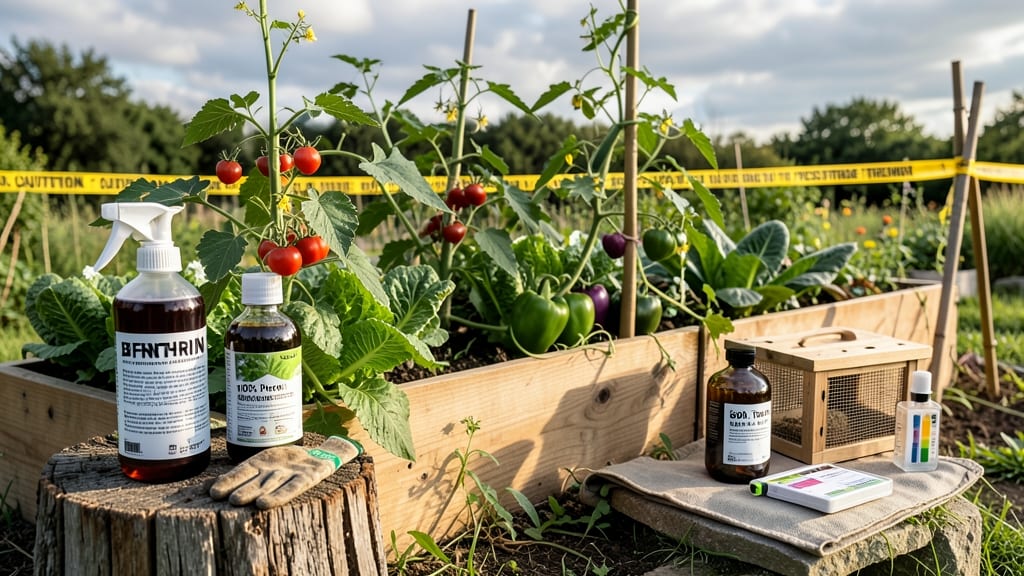
Is bifenthrin safe for vegetable gardens? It can be used when following strict EPA guidelines, but its safety depends on proper application, timing, and adherence to pre-harvest intervals to protect both crops and beneficial insects.
Bifenthrin is classified as a restricted-use pesticide by the EPA, meaning it requires special certification for application. 🌱 While effective against pests like aphids and beetles, its chemical structure makes it highly toxic to bees and other pollinators, which is why timing and placement matter so much.
The EPA sets strict residue limits—typically 0.05 ppm for most vegetables—to ensure food safety, but these levels depend on the specific crop and how long you wait before harvesting.
For instance, leafy greens often require a 7-day waiting period, while root vegetables may need up to 21 days before being safe to eat. This is why organic gardeners often avoid bifenthrin entirely, opting instead for targeted solutions like neem oil or insecticidal soaps that don’t harm ecosystems.
💡 In This Article
- EPA Regulations and Bifenthrin’s Safety Standards for Edible Plants
- Safer Alternatives to Bifenthrin for Organic and Conventional Gardens
EPA regulations and bifenthrin’s safety standards for edible plants
The Environmental Protection Agency (EPA) classifies bifenthrin as a restricted-use pesticide due to its high toxicity to non-target organisms, particularly bees and aquatic life. This classification means gardeners must obtain a special certification before purchasing or applying it.
The EPA’s risk assessment determined bifenthrin’s primary hazard lies in its neurotoxic effects on insects, which disrupt their nervous systems at extremely low doses—sometimes as little as 0.00001 ppm for bees.
For vegetable gardens, the EPA enforces strict pre-harvest intervals to limit residue levels on edible crops. These intervals vary by plant type: leafy greens like lettuce require a 7-day wait, while root vegetables such as carrots may need 21 days before harvest.
The agency’s tolerance levels—typically 0.05 ppm for most vegetables—are based on rigorous testing to ensure consumer safety, but exceeding these limits can result in legal penalties or contaminated produce.
What most gardeners don’t realize is that bifenthrin’s persistence in soil is another critical factor. Studies show it can remain active for 30-90 days depending on soil conditions, which means repeated applications can build up dangerous residues.
The EPA mandates buffer zones around water sources (usually 25-100 feet) to prevent runoff contamination, further restricting where and how it can be used in home gardens.
To put these regulations into perspective, consider how bifenthrin’s chemical structure—specifically its pyrethroid class—makes it 1,000 times more toxic to bees than DDT. This is why the EPA requires applicators to avoid spraying during flowering periods when pollinators are most active.
Even a single misapplied spray can decimate local bee populations, disrupting ecosystems that vegetable gardens rely on for pollination.
The EPA’s enforcement relies on state agricultural departments, which conduct random inspections of commercial and large-scale home gardens. Violations can lead to fines or mandatory retraining, underscoring how seriously these regulations are taken.
For example, California’s Department of Pesticide Regulation has documented cases where improper bifenthrin use led to 90% bee colony losses in treated areas, proving the real-world consequences of non-compliance.
Understanding these standards helps gardeners make informed decisions. While bifenthrin may offer short-term pest control, its long-term ecological and health risks often outweigh the benefits—especially when safer alternatives exist.
The key takeaway? Strict adherence to label instructions isn’t just a legal requirement; it’s a necessity for protecting both your harvest and the environment.