
Tools
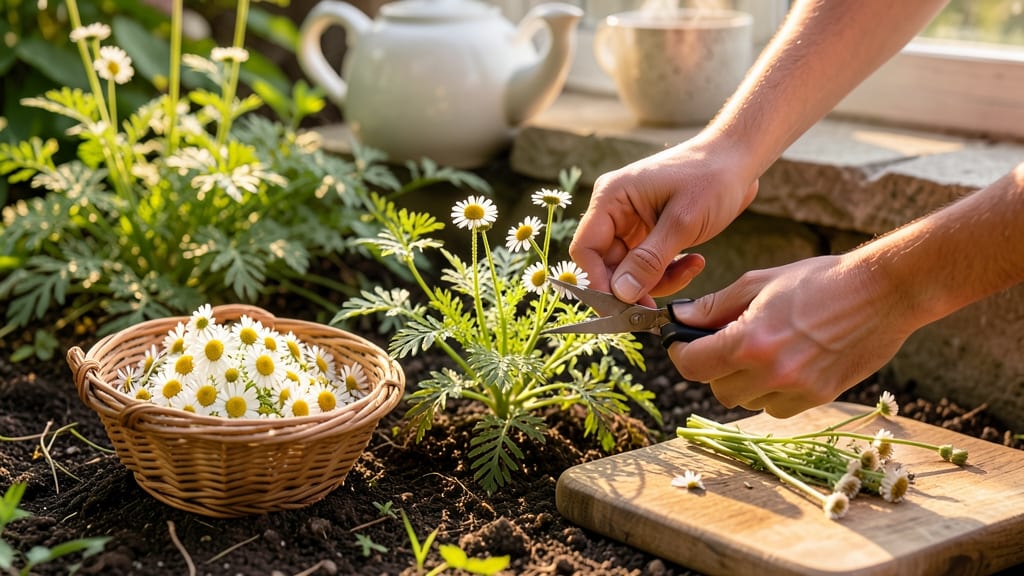
Creating a medicinal tea garden lets you grow 15 easy-to-cultivate herbs like peppermint, chamomile, and echinacea, each offering natural remedies for digestion, relaxation, and immune support. Plant in well-draining soil with partial sun for optimal growth and harvest fresh leaves for teas or tinctures.
A medicinal tea garden isn't just about growing herbs—it's about cultivating nature's pharmacy right in your backyard. 🌿 These plants contain bioactive compounds like flavonoids and essential oils that work synergistically to address common ailments.
For example, peppermint's menthol soothes digestive spasms, while echinacea's polysaccharides boost immune function when consumed regularly. The key to maximizing their benefits lies in proper cultivation: most thrive in loose, slightly acidic soil with morning sunlight and afternoon shade, mimicking their native woodland environments.
What makes this approach particularly rewarding is the freshness factor—harvesting leaves at peak potency (just before flowering) ensures you're getting the highest concentration of active ingredients. I recommend starting with a mix of annuals like chamomile and perennials such as lavender, as they offer year-round harvesting opportunities with minimal maintenance.
The beauty of this system is its adaptability: you can scale from a windowsill herb garden to a full-size plot, making it accessible for both urban dwellers and rural homesteaders alike.
💡 In This Article
- Top 15 Healing Herbs for Your Medicinal Tea Garden
- Planting and Care Guide for a Thriving Medicinal Herb Garden
Top 15 healing herbs for your medicinal tea garden
The magic of a medicinal tea garden lies in its ability to transform ordinary plants into powerful allies for wellness. Take peppermint, for instance—its active compound menthol isn't just responsible for that refreshing aroma but also stimulates bile flow, easing digestive discomfort.
Studies show menthol can relax gastrointestinal muscles by up to 30%, explaining why sipping peppermint tea after meals feels so soothing. 💫 The herb's crisp, cool flavor also makes it perfect for masking the bitterness of other medicinal plants when blended in teas.
Then there's echinacea, a powerhouse for immune support thanks to its echinacoside content, which stimulates white blood cell activity. Research published in the Journal of Ethnopharmacology found that regular echinacea consumption reduced common cold duration by 1.4 days on average.
What's fascinating is how its purple cone-shaped flowers contain the highest concentration of these immune-boosting compounds—harvesting them at peak bloom ensures maximum potency. The earthy, slightly bitter taste might take getting used to, but pairing it with honey or lemon balances the flavor beautifully.
For stress relief, lavender stands out with its calming linalool and linalyl acetate compounds, which interact with GABA receptors in the brain—similar to how pharmaceutical anti-anxiety medications work, but without the side effects.
A 2016 study in Complementary Therapies in Medicine showed that lavender tea reduced cortisol levels by 23% after just 30 minutes of consumption.
The herb's delicate floral aroma also makes it versatile—you can use fresh or dried flowers in teas, or even infuse them in cooking for a subtle, uplifting flavor.
Don't overlook chamomile, whose apigenin content binds to brain receptors that promote relaxation. What's unique about chamomile is its dual action: it works as both a sedative and an anti-inflammatory, making it ideal for evening teas that help with both sleep and muscle tension.
The daisy-like flowers release their sweet, apple-like aroma when steeped, creating a comforting cup that's perfect for winding down after a long day. 🌿 For best results, use dried flowers rather than tea bags—they contain more of the active compounds.
Advanced gardeners might want to include milk thistle for liver support, identifiable by its spiky purple flowers and silvery leaves. The herb's silymarin content has been shown to protect liver cells from toxins, with studies demonstrating up to 50% reduction in liver damage markers in chronic liver disease patients.
While its flavor is intensely bitter (often described as "like drinking liquid earth"), combining it with sweet herbs like licorice root creates a surprisingly palatable tea blend.
Here's a quick reference for getting started with these powerhouse plants:
- Best for digestion: Peppermint, ginger, fennel (harvest leaves when plant reaches 6-8 inches)
- Immune support: Echinacea, elderberry, astragalus (collect flowers at full bloom)
- Stress relief: Lavender, chamomile, lemon balm (pick leaves in morning hours for highest essential oil content)
- Pain relief: Turmeric, willow bark (harvest roots in fall for maximum potency)