
Landscaping
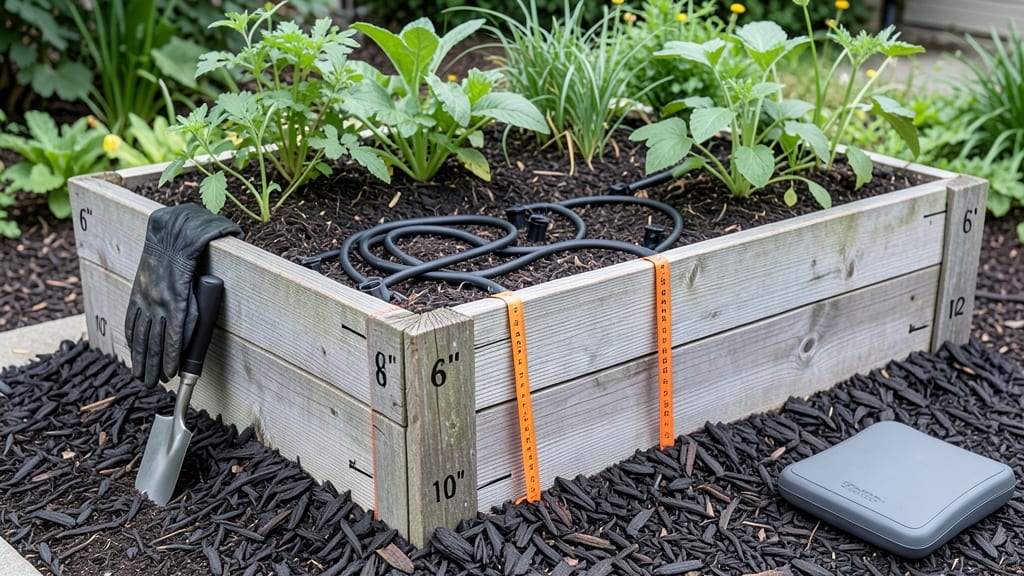
Determining the right raised garden bed height is the foundation of a thriving garden—too shallow, and your plants struggle to grow; too tall, and you waste resources.
Struggling to decide how tall your raised garden bed should be? The right height isn’t just about aesthetics—it directly impacts drainage, root growth, and even which plants thrive in your space. 🌱
For example, herbs like basil need just 6 inches of soil, while deep-rooted veggies like carrots demand 12 inches or more. Get this wrong, and you’re either drowning roots in soggy soil or watching them starve for space.
Below, I break down the science of bed height—from standard measurements to custom solutions for drainage, accessibility, and plant-specific needs—so you can build a bed that works as hard as you do.

Optimal raised garden bed height by root depth requirements
Choosing the right raised garden bed height isn’t just about convenience—it’s about giving your plants the root space and drainage they need to thrive. Shallow-rooted herbs like basil or thyme don’t require deep soil, while deep-rooted vegetables like asparagus or carrots demand at least 12-18 inches of depth.
The height also affects soil moisture retention and accessibility for weeding and harvesting.
Most standard raised beds range from 6 to 12 inches tall, but this can vary based on your plant types, soil conditions, and even your physical comfort.
For example, a 6-inch bed works well for annual flowers or shallow-rooted greens, while a 12-inch bed is ideal for tomatoes, peppers, and root vegetables. If you’re growing perennials like rhubarb or artichokes, you may need 18+ inches to accommodate their extensive root systems.
Here’s the science: Root depth determines how far down plants need to grow for stability and nutrient access. A 6-inch bed provides 4-6 inches of usable soil (accounting for the bottom layer of wood or gravel), while a 12-inch bed offers 10-12 inches.
This extra depth improves water retention in sandy soils and prevents waterlogging in clay-heavy soils. For ergonomic benefits, taller beds (like 18-24 inches) reduce bending and strain, making gardening easier on your back.
| Plant Type | Root Depth | Recommended Bed Height | Drainage Notes |
|---|---|---|---|
| Herbs (basil, parsley, cilantro) | 4-6 inches | 6-8 inches | Fast-draining; avoid waterlogging |
| Leafy Greens (lettuce, spinach, kale) | 6-10 inches | 8-10 inches | Moisture-retentive; mulch to prevent drying |
| Root Vegetables (carrots, beets, radishes) | 8-12 inches | 10-12 inches | Loose, stone-free soil; deep watering |
| Fruiting Plants (tomatoes, peppers, cucumbers) | 12-18 inches | 12-18 inches | Well-draining; support stakes for tall varieties |
| Perennials (asparagus, rhubarb, artichokes) | 18-24 inches | 18-24 inches | Deep, fertile soil; minimal disturbance |
| Flowers (marigolds, zinnias, sunflowers) | 6-12 inches | 8-12 inches | Moderate drainage; mulch for moisture |
When planning your raised bed height, consider the materials you’re using. Wooden beds (like cedar or redwood) typically allow for 10-12 inches of soil depth before the bottom layer takes up too much space.
For metal or composite beds, you can often go taller (up to 24 inches) because they don’t require a thick base layer. If you’re working with clay soil, taller beds help prevent waterlogging, while sandy soil benefits from deeper beds to retain moisture.
Don’t forget about accessibility. A bed that’s too low (under 6 inches) can lead to poor root growth and weed competition, while beds over 24 inches may dry out faster and require more amendments to maintain fertility.
For most gardeners, a 10-12 inch height strikes the perfect balance between root depth, drainage, and ease of maintenance. If you’re growing a mix of plants, consider dividing your bed into sections with varying heights to meet everyone’s needs.
Pro tip: If you’re unsure about your soil volume, fill the bed with cardboard or straw before adding soil. This helps stabilize the structure and gives you a clear idea of how much growing medium you’ll need.
For heavy clay soils, add a 4-inch layer of gravel or sand at the bottom to improve drainage, while sandy soils benefit from a mix
How to adjust raised bed height for drainage in problematic soils
If your soil is clay-heavy, sandy, or prone to waterlogging, adjusting your raised bed height can make the difference between a thriving garden and a soggy mess. Clay soils compact and hold too much moisture, while sandy soils drain too quickly, both creating challenges for root health.
The key? Height + structure to control water flow and soil aeration.
For waterlogged areas, aim for beds that are at least 12 inches deep with a false bottom or gravel layer. This creates space for excess water to escape while keeping roots in nutrient-rich soil.
In sandy soils, taller beds (18+ inches) help retain moisture longer, while clay-heavy soils benefit from tiered designs to improve drainage at different levels.
Raised Bed Height Solutions for Problematic Soils
🌱 Pros of Tall Beds (18"+)
- Better drainage for clay-heavy soils
- Moisture retention in sandy soils
- Root expansion for deep-rooted plants
- Accessibility for gardeners with mobility issues
⚠️ Cons of Tall Beds (18"+)
- Higher cost for materials and soil
- Drying risk in top layers (add mulch)
- Heavier weight requires sturdy framing
- Slower warming in spring (delayed planting)
💧 Solutions for Waterlogged Soils
- False bottom with gravel or landscape fabric
- Tiered design (stepped beds) for layered drainage
- 12"+ depth with compost-rich topsoil
- Cedar or composite (rot-resistant wood)
🏜️ Solutions for Sandy Soils
- 18"+ depth to retain moisture
- Organic matter (compost, peat moss)
- Drip irrigation for consistent watering
- Shade cloth to reduce evaporation
For clay soils, consider a two-tiered design where the lower tier drains into a swale or dry well, while the upper tier holds planting soil. This mimics natural layering and prevents root suffocation.
If you're working with sandy soils, focus on organic amendments like compost or coconut coir to improve water retention without increasing bed height.
Material choice matters too: Cedar resists rot but costs more, while composite lumber lasts longer but may lack natural insulation. For drainage-focused beds, opt for perforated bottoms or gravel-filled bases—just ensure roots stay above the drainage layer. 🌿
Pro tip: Test your soil’s drainage before building. Fill a hole with water; if it drains in 4 hours, you’ve got sandy soil. If it takes 6+ hours, clay’s likely the culprit.
Adjust your bed height and structure accordingly for a garden that grows as efficiently as it looks.