
Pests
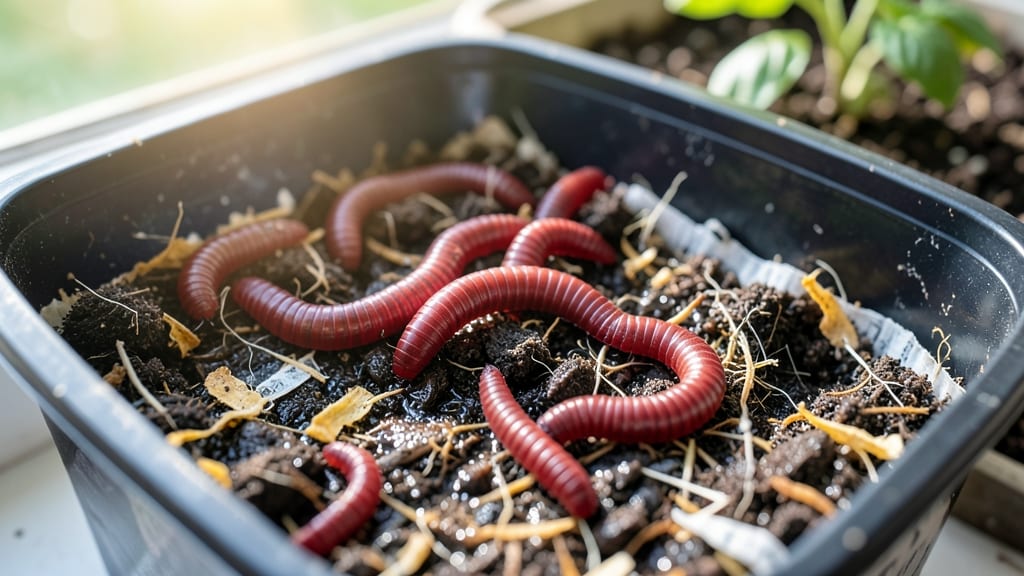
You should put worms in your garden because they naturally improve soil fertility, break down organic waste, and create aerated pathways for roots, supporting healthier plant growth in most temperate climates.
Adding worms to your garden is like hiring a tiny, natural soil improvement team.
These beneficial creatures create nutrient-rich castings that act as a slow-release fertilizer, while their burrowing actions improve drainage and root penetration. 🌱 I've seen gardens transform dramatically within a season after introducing red wigglers—they're perfect for compost bins or direct soil incorporation.
The key is choosing the right species and providing a moist, shaded environment to keep them thriving.
For best results, start with red wigglers (Eisenia fetida) rather than nightcrawlers, as they're specifically adapted to decomposing organic matter. Create a simple bed using shredded newspaper, coconut coir, and kitchen scraps, then add your worms gradually.
Avoid overfeeding or letting the bed dry out—these simple adjustments make all the difference in creating a thriving worm ecosystem.
What's interesting is how quickly worms multiply when conditions are right. A small handful can become hundreds within months, providing continuous soil improvement. This makes them a cost-effective, sustainable solution for gardeners looking to reduce chemical fertilizers while improving plant vitality.
💡 In This Article
- How Earthworms Transform Garden Soil
- Best Worm Species and Setup Tips for Your Garden
How earthworms transform garden soil
Earthworms act like nature's plows and composters, turning tough organic matter into rich, crumbly soil through their digestive process. When worms ingest leaves, grass clippings, or fruit scraps, their gizzards grind these materials into tiny pieces while mixing them with beneficial microbes and enzymes.
This creates castings—worm poop—that contain up to five times more nitrogen, phosphorus, and potassium than the surrounding soil, plus essential micronutrients like calcium and magnesium.
Their burrowing habits create tiny air channels that improve soil aeration by up to 30%, allowing roots to breathe and water to drain more efficiently.
This is especially valuable in heavy clay soils where compaction is common. 🌱 What's fascinating is how worms also stimulate microbial activity: their castings provide a perfect environment for beneficial bacteria and fungi to thrive, creating a symbiotic relationship that further enhances nutrient availability for plants.
Worms also play a crucial role in breaking down tough materials like cellulose and lignin, which most other decomposers can't handle.
For example, a single red wiggler can process its body weight in organic waste daily—meaning a pound of worms can convert about 2 pounds of kitchen scraps per week into nutrient-rich soil. This rapid decomposition creates a continuous cycle of nutrient recycling that reduces the need for synthetic fertilizers.
One common misconception is that worms only benefit the surface soil, but their activity extends down to 12-18 inches in well-established gardens. Their castings contain natural growth hormones that stimulate root development, helping plants establish deeper, more resilient root systems.
This is why gardeners often see improved drought resistance and stronger plant growth after introducing worms.
However, not all worms are equally beneficial for garden soil. Nightcrawlers, while excellent for fishing, are surface-dwellers that don't thrive in the same way as red wigglers or compost worms.
The key species for soil improvement are Lumbricus terrestris (nightcrawlers) for deep soil aeration and Eisenia fetida (red wigglers) for composting and surface soil enrichment.
The transformation happens gradually but visibly. Within 3-6 months of adding worms, you'll notice soil that's darker, looser, and more friable—almost like crumbly chocolate cake. The scent changes too, becoming earthy rather than musty, as microbial activity increases.
This is your garden's way of telling you the worms are doing their job.