
Watering
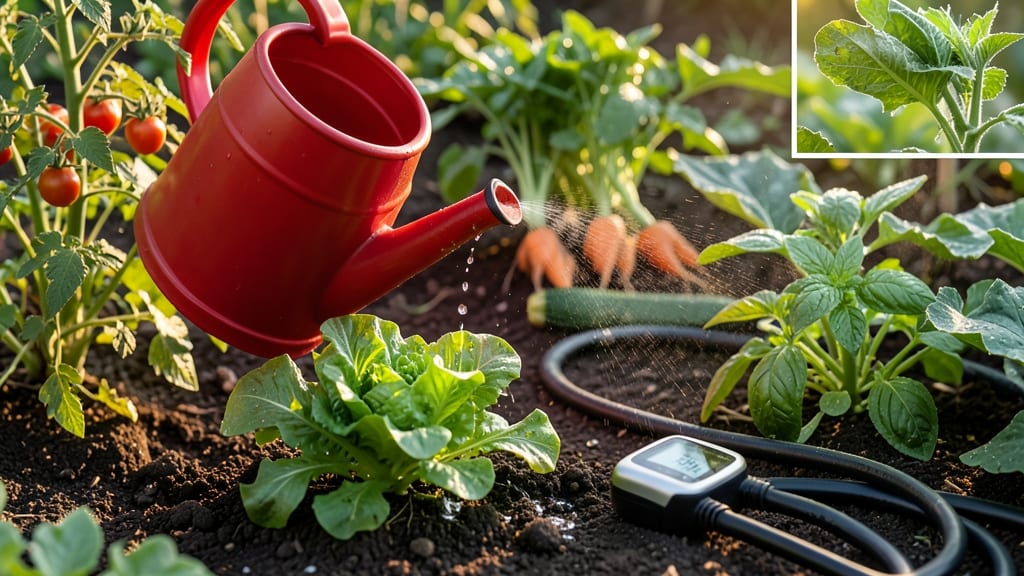
Watering your vegetable garden every day can actually harm your 🥬 plants more than help them, thanks to root suffocation and nutrient loss.
Overwatering is a silent killer in gardens—yet many gardeners drown their plants thinking they’re doing the right thing. The truth? Most vegetables thrive on deep, infrequent watering that encourages strong roots, not daily sips that leave them gasping for air.
Climate, soil type, and plant variety all dictate the perfect watering schedule. Leafy greens like lettuce need consistent moisture, while root crops like carrots prefer drier soil. Below, I’ll break down how often to water each type, plus the 3 signs your garden is getting too much—or too little—water.
Skip the guesswork and learn how to water your vegetable garden for maximum yield without wasting a drop. You’ll never second-guess your watering routine again.


The hidden dangers of daily watering: root stress and plant-specific needs
When you check your vegetable garden every morning and reach for the hose, you might think you're giving your plants a lifeline. But here's the truth: daily watering can suffocate roots, invite fungal diseases, and wash away precious nutrients before plants have a chance to absorb them.
Your good intentions might actually be creating a waterlogged disaster that stunts growth and reduces yields.
Most gardeners assume more water equals healthier plants, but root systems need air as much as moisture. When soil stays soggy, roots can't breathe, leading to anaerobic conditions that promote harmful bacteria and fungi.
Even drought-resistant plants like tomatoes and peppers will suffer if their roots never get a chance to dry out between waterings.
The key lies in understanding plant-specific needs. Leafy greens like lettuce and spinach thrive with frequent, shallow moisture, while root crops such as carrots and potatoes need deep but less frequent watering to develop properly. One-size-fits-all watering simply doesn't work in a diverse vegetable garden.
Before we dive into solutions, let's address the most common mistake: confusing thirsty soil with thirsty plants. Many gardeners water based on a schedule rather than actual soil conditions. This approach often leads to either overwatering or underwatering, both of which cause stress and poor harvests.
Daily Watering Can Kill Your Vegetable Garden
Your vegetable garden doesn't need daily watering—most plants can't handle it. Here's what happens when you water every day:
- 🌱 Root suffocation: Constant moisture cuts off oxygen to roots, causing them to rot.
- 🍄 Fungal infections: Wet foliage for extended periods invites diseases like powdery mildew and blight.
- 💧 Nutrient leaching: Excess water washes away essential minerals before plants can absorb them.
- 🌡️ Temperature stress: Wet soil stays cooler, slowing root development and growth.
Instead of watering on a schedule, check soil moisture first. Most vegetables prefer 1-2 inches of water per week, delivered deeply rather than frequently. Adjust based on your climate, soil type, and plant stage.
Let's talk about the science behind proper hydration. Plants absorb water through their roots via a process called osmosis. When soil is too wet, this process slows down because roots can't function properly. Additionally, beneficial microbes in the soil—like mycorrhizal fungi—thrive in well-aerated conditions but suffocate when waterlogged.
One of the biggest misconceptions is that small, frequent waterings are better than deep, infrequent ones. While this works for some container plants, most vegetables in garden beds benefit from deep watering that encourages roots to grow downward.
Shallow watering keeps roots near the surface, making plants more vulnerable to drought and heat stress.
To make matters worse, daily watering often leads to uneven moisture distribution. Surface water evaporates quickly, leaving lower soil layers dry while upper layers stay soggy.
This creates a moisture gradient that confuses plant roots and prevents them from accessing water efficiently. The result? Stunted growth and poor fruit development.
Now, let's address the elephant in the garden: how to tell if you're overwatering or underwatering. Yellowing leaves might seem like a drought signal, but they can also indicate root rot from excess moisture.
Check the soil—if it's muddy or smells sour, you're overwatering. On the other hand, wilted leaves that don't perk up after watering or crispy, brown leaf edges suggest underwatering.
Here's a quick signs checklist to diagnose your watering habits:
- Overwatering signs: Yellow leaves, mushy stems, mold on soil, slow growth
- Underwatering signs: Wilting, dry soil, leaf curling, stunted growth
Remember, healthy soil is 25% air and 25% water. When you disrupt this balance by watering daily, you're creating an environment that's hostile to plant roots.
The solution? Water deeply but less frequently, and always check soil moisture before reaching for the hose. Your plants—and your harvest—will thank you.
How often to water vegetables: a plant-by-plant watering schedule
Most vegetables don’t need daily watering—they thrive when watered deeply but infrequently. Daily watering can suffocate roots and wash away nutrients, while infrequent deep watering encourages strong root systems. The key is matching your watering schedule to each plant’s needs, soil type, and weather conditions.
For example, leafy greens like lettuce and spinach prefer consistent moisture, while root crops like carrots and potatoes need drier soil. Below, I’ve created a simple guide to help you water each type correctly, plus tips for adjusting based on heatwaves or rain.
Pro Tip: Always water in the morning to reduce evaporation and fungal risks. Avoid evening watering, which can leave foliage damp overnight.
Adjust your watering schedule based on weather conditions. During heatwaves, increase frequency but reduce volume to avoid runoff. If rain is forecasted, skip watering for 24 hours to prevent over-saturation. Mulching is your best friend—it locks in moisture and reduces evaporation by up to 30%.
For container gardens, water every 1-2 days since pots dry out faster. Check soil moisture daily by sticking your finger 1 inch deep—if it’s dry, water thoroughly. Overwatering signs include yellowing leaves, mold, and wilting despite wet soil. Underwatering? Leaves will crisp and curl at the edges.
Start with this schedule, then fine-tune based on your garden’s response. With the right balance, you’ll enjoy healthier plants and bigger harvests—without wasting a drop. Happy gardening! 🌱