
Planting
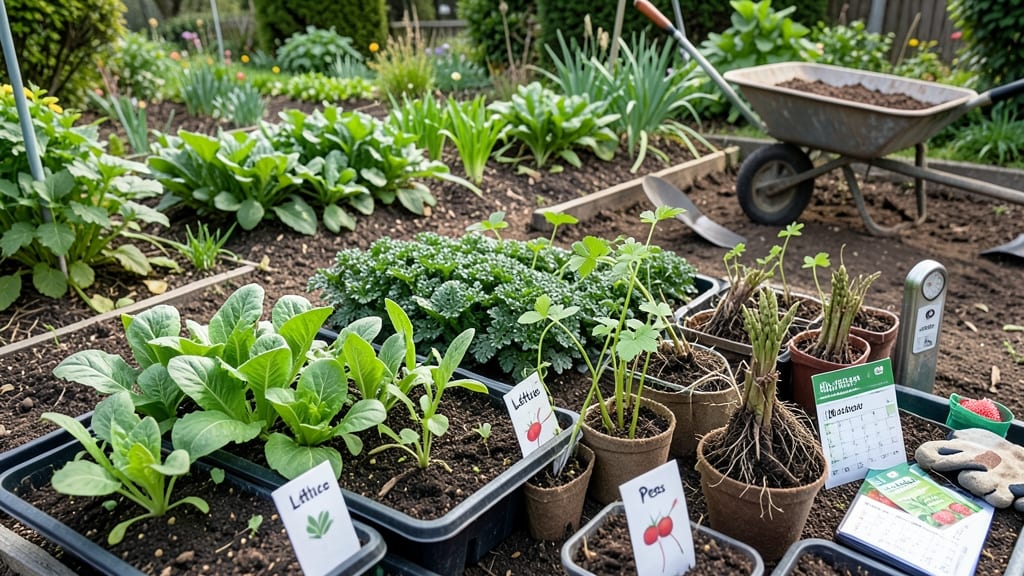
Plant your garden in Michigan between late April and early June for the best results, timing your cool-season crops to avoid frost and warm-season plants to thrive in summer heat.
Michigan’s unpredictable spring weather can turn a gardener’s excitement into frustration—planting too early risks frost damage, while waiting too long shortens your growing season. But with the right timing, you can maximize yields and thrive in Michigan’s unique climate zones.
For 5b-6b zones, start seeds indoors 4-8 weeks before your last frost date (typically mid-April) and transplant hardy crops like peas and spinach by early May. Tender plants like tomatoes and peppers need to wait until after the last frost, usually late May to early June.
Below, I break down the exact planting windows for your region, plus tips for extending your season with row covers and cold frames—so you can grow more without the guesswork.
Michigan planting zones: when to start seeds indoors vs. outdoor planting deadlines
Michigan’s USDA Plant Hardiness Zones 4-6 create a diverse gardening landscape, where northern regions (Zone 4) face shorter growing seasons compared to southern Michigan (Zone 6). Understanding your zone helps you time indoor seed starting and outdoor planting deadlines to avoid frost damage while maximizing harvests.
For example, Zone 4 gardeners might start tomatoes indoors by March 15, while Zone 6 can wait until April 1.
Your last frost date is the critical benchmark—planting frost-sensitive crops like tomatoes or peppers too early risks death, while cool-season crops (peas, spinach, kale) thrive when planted 2-4 weeks before the last frost.
Michigan’s average last frost dates range from May 1 in Zone 4 to April 15 in Zone 6, but these dates can shift weekly due to lake-effect weather.
To plan effectively, calculate your indoor seed-starting window by counting 4-8 weeks before your last frost date.
For instance, if your last frost is May 10, start warm-season seeds (tomatoes, peppers) indoors by March 25-March 31. Cool-season crops (lettuce, radishes) can often be sown directly outdoors 2-3 weeks before the last frost, giving them time to mature before summer heat arrives.
Here’s a quick guide to Michigan’s planting zones and deadlines:
For Zone 4 gardeners, prioritize fast-maturing varieties like bush beans (50 days) or bok choy (30 days) to fit the shorter season. In Zone 6, you’ll have more flexibility to experiment with heirloom tomatoes (70+ days) or squash (50+ days).
Always check seed packets for days to maturity and subtract this from your first frost date to estimate your planting window.
Extend your season by using row covers or cold frames to protect early plantings. For example, you can plant spinach or lettuce as early as March 15 in Zone 6 under a floating row cover, giving you a jumpstart on fresh greens.
Just remove the cover when temperatures rise above 75°F to prevent overheating.
Pro tip: Soil temperature matters more than air temperature. Use a soil thermometer to ensure it’s at least 50°F for most vegetables before planting. Cool-season crops like peas and carrots can tolerate 40°F soil, while warm-season crops (tomatoes, peppers) need 60°F+ to thrive.
Don’t forget about fall planting! Michigan’s first frost dates range from October 15 (Zone 6) to September 25 (Zone 4). Plant cool-season crops like kale, Brussels sprouts, and radishes in early August for a fall harvest.
These crops actually sweeten in the cold, making them perfect for Michigan’s crisp autumn weather.
If you’re new to gardening in Michigan, start with hardy, low-maintenance crops like peas, lettuce, and radishes. These tolerate cooler temperatures and mature quickly, giving you confidence before tackling tomatoes or peppers.
And always keep an eye on Michigan State University Extension’s frost date forecasts for real-time updates tailored to your county.
With the right timing, Michigan’s growing season can be just as productive as warmer climates—you just need to work with the weather, not against it. Happy planting! 🌱
Heat-tolerant vegetables for late planting: Michigan’s second planting window
Michigan’s growing season may be short, but with the right heat-tolerant vegetables, you can still enjoy a bountiful harvest well into fall. The second planting window—typically starting in late July—lets you take advantage of summer’s warmth and extend your garden’s productivity.
These late-season crops thrive in warmer temperatures and can be planted even as frost approaches, giving you a second chance to grow delicious produce.
For USDA zones 4-6, focus on crops that handle heat and shorter daylight hours, like sweet potatoes, okra, and black-eyed peas. These plants mature quickly and can withstand Michigan’s unpredictable late-summer weather.
By choosing the right varieties and timing your succession plantings correctly, you’ll maximize your harvest before the first frost hits.
🌱 Key Late-Planting Tips for Michigan
- 📅 Plant after July 15—soil temps should stay above 60°F (15°C) for optimal growth.
- 🌡️ Choose fast-maturing varieties (60-80 days to harvest) to beat frost.
- 💧 Water deeply 2-3x per week—late-season crops need consistent moisture.
- 🌿 Use row covers to protect tender plants from unexpected early frosts.
- ⏰ Succession plant every 2 weeks for continuous harvests until mid-October.
One of the best heat-tolerant vegetables for late planting is sweet potatoes. These root vegetables thrive in warm soil and can be planted as late as mid-August in southern Michigan (zones 5-6).
They take about 90-120 days to mature, so aim to plant them by early August in northern zones (zone 4). Sweet potatoes also improve soil health, making them a great choice for rotating crops.
For something a little different, try okra, which loves the heat and can even bolster yields in hot weather. Plant okra seeds directly in the garden after the last frost, ideally between June and early August.
It matures quickly—often in 50-60 days—and continues producing pods well into fall. Okra’s fibrous texture makes it a versatile addition to soups, stews, and stir-fries, and it’s drought-tolerant once established.
Don’t overlook black-eyed peas, another excellent late-season crop. These legumes fix nitrogen in the soil while providing a high-protein harvest. Plant them in late July or early August for a fall crop, and they’ll mature in about 60-70 days.
Black-eyed peas are also pest-resistant and thrive in poor soil, making them a low-maintenance choice for busy gardeners.
To extend your harvest even further, practice succession planting. For example, sow a new batch of bush beans every two weeks from July through August. This ensures a steady supply of fresh beans until the first frost.
Pair them with heat-loving herbs like basil or cilantro, which also perform well in late-season plantings. With the right strategy, you can keep your garden productive well into October!
Remember, the key to success is monitoring soil and air temperatures. Use a soil thermometer to ensure conditions are ideal before planting. If frost threatens, protect your late-season crops with frost cloths or move potted plants indoors.
With these heat-tolerant vegetables and smart planting techniques, you’ll enjoy a second harvest that rivals your spring plantings. Happy gardening! 🌿