
Blooming
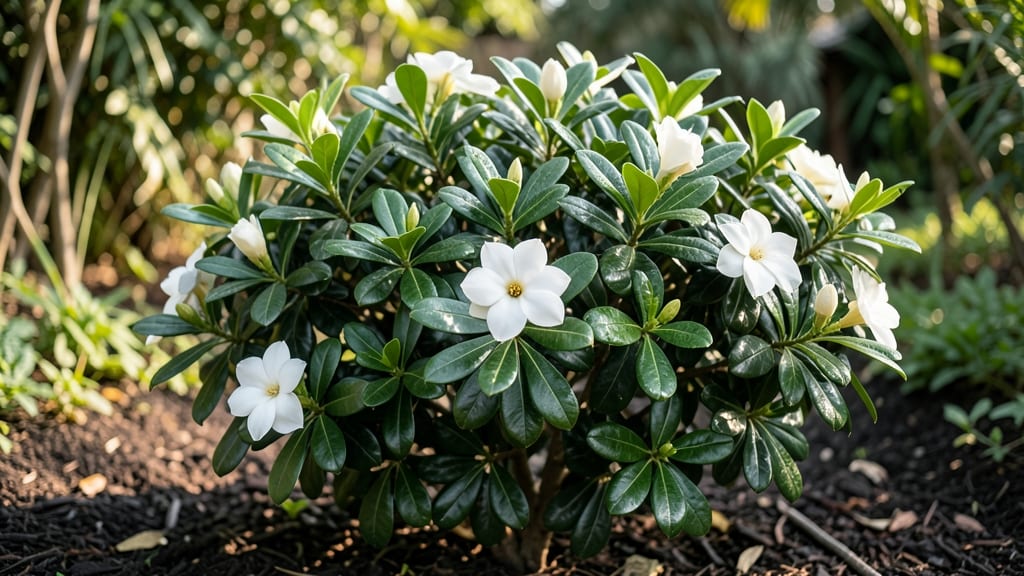
Gardenia bushes bloom between late spring and summer 🌸, turning your garden into a fragrant haven when you least expect it.
Picture this: you’re walking past your garden in early June, and suddenly, the air fills with that unmistakable, sweet scent that makes you pause. That’s the magic of gardenias in full bloom—but timing isn’t always straightforward.
Some varieties push their peak as early as May, while others linger into July, depending on your climate and care routine.
If you’ve ever wondered why your gardenia isn’t blooming when it should, the answer often lies in sunlight, soil pH, or even last year’s pruning habits. The good news?
With a few simple adjustments—like adjusting watering schedules or adding a little extra shade—you can coax those fragrant blooms to appear right on schedule, or even extend their season.
Below, I’ll break down the exact months to expect blooms in your region, how to encourage early (or delayed) flowers, and the one pruning trick that keeps your gardenia producing year after year. Let’s make sure your garden smells like summer for as long as possible.
Gardenia bloom seasons: month-by-month fragrance timeline
If you’ve ever dreamed of a garden filled with the rich, creamy fragrance of gardenias, timing is your secret weapon. These tropical beauties typically bloom from mid-summer to early fall, but their exact schedule depends on your USDA hardiness zone and local climate.
In Zones 8-11, where they thrive, gardenias often reward you with fragrant blooms from July through October, while cooler zones may see shorter seasons or delayed flowering.
The peak bloom period for most gardenia varieties falls between late July and September, aligning with warm temperatures and long daylight hours. However, early bloomers like ‘Kleim’s Hardy’ can start as early as June in ideal conditions, while late-season varieties may linger into November in frost-free zones.
Understanding these patterns helps you plan pruning, fertilization, and even companion plantings for maximum impact.
Your gardenia’s bloom timing also depends on its age and health. Mature plants (3+ years old) typically produce more abundant flowers than younger shrubs, which may bloom sparingly or not at all in their first few years.
Additionally, stress factors like improper soil pH, poor drainage, or inconsistent watering can delay or reduce blooming. For the best results, aim to maintain acidic soil (pH 5.0–6.5) and provide consistent moisture without waterlogging.
Here’s a month-by-month breakdown of what to expect from your gardenia bushes, tailored to USDA Zones 8–11. Use this as your guide to anticipate fragrance peaks and troubleshoot delays.
| Month | Bloom Stage | Typical Activity | Care Tips |
|---|---|---|---|
| June | Early Bud Formation | Bud swell begins in warm zones; minimal blooms. | Light fertilizer (high phosphorus) to encourage bud set. |
| July | Peak Bud Development | First blooms open; fragrance intensifies. | Prune spent blooms to encourage more flowers. |
| August | Full Bloom | Most varieties reach peak fragrance. | Mulch to retain moisture; avoid heavy pruning. |
| September | Late Bloom | Extended blooming in frost-free zones. | Reduce watering slightly; prepare for dormancy. |
| October | Bloom End | Final blooms; plant slows growth. | Prune lightly to shape; stop fertilizing. |
| November–March | Dormant | No blooms; focus on soil prep. | Test soil pH; amend if needed for spring. |
In cooler zones (Zones 7 and below), gardenias may only bloom from late July to early September, with fewer flowers due to shorter growing seasons.
If you live in these areas, consider potted gardenias that you can bring indoors before frost or choose hardier varieties like ‘Radicans,’ which tolerates USDA Zone 6 with winter protection.
Climate plays a huge role in bloom timing. Humid, subtropical zones (like Florida or Hawaii) often see year-round blooming or extended seasons, while drier or hotter climates (e.g., desert regions) may trigger earlier blooming in response to heat stress.
If your gardenia blooms too early or not at all, check for underwatering, poor soil, or insufficient sunlight—these are common culprits.
For early bloomers, varieties like ‘Veitchii’ or ‘Fortuniana’ often start flowering in June if given optimal care. Meanwhile, late-season varieties like ‘Mystery’ can linger into November in frost-free microclimates.
To encourage early blooms, provide bright, indirect light and fertilize in early spring with a high-phosphorus formula to promote flower production.
Pro tip: Deadhead spent blooms regularly to redirect the plant’s energy into new buds rather than seed production. This simple step can extend your gardenia’s bloom season by 2–4 weeks and keep your garden smelling like a tropical paradise longer.
Pair your gardenias with companion plants like jasmine or garden roses to create a fragrance-filled garden oasis that lasts all season.
🌸
How to encourage early or extended gardenia blooms
Want your gardenias to burst into bloom earlier or extend their fragrant display? The secret lies in understanding their natural cues and giving them the right care adjustments. Gardenias typically flower from mid-summer to fall, but with strategic pruning, light management, and feeding, you can shift this timeline.
The key is to mimic their natural triggers—like cooler temperatures or reduced growth—while avoiding common mistakes that stall blooms.
Many gardeners accidentally delay blooms by over-fertilizing with nitrogen-heavy feeds, which promotes leafy growth over flowers. Or they prune at the wrong time, cutting back just as buds form. Let’s fix that!
Below are my top 5 proven methods to encourage earlier or longer-lasting gardenia blooms, backed by what I’ve learned from years of growing these tropical beauties in USDA zones 8-11.
- 🌱 Prune in late winter (Jan-Feb) to remove dead or crossing branches. Avoid heavy pruning now—save that for right after blooming to shape the plant.
- ☀️ Move pots to brighter light in early spring (March-April) to trigger bud formation. Gardenias need 4-6 hours of morning sun daily.
- 💧 Reduce watering slightly in late summer to stress the plant gently—this mimics dry-season cues that prompt budding.
- 🌿 Fertilize with high-phosphorus (8-3-9 NPK) in early spring and after blooming. Skip nitrogen-heavy feeds—they delay flowers!
- ✂️ Deadhead spent blooms but leave seed pods until they dry. This redirects energy to new buds instead of seed production.
One of the biggest mistakes I see is pruning gardenias during their bloom cycle. If you cut back too aggressively while flowers are forming, you’ll sacrifice next season’s blooms. Instead, prune lightly after flowering to encourage bushier growth and more buds for the following year.
Think of it like giving your plant a haircut after a party—you tidy up, but you don’t shave it bald!
For extended blooming, focus on consistent care year-round. Mulch with acidic compost (like pine bark) to maintain soil pH between 5.0–6.5, which gardenias crave. I’ve found that adding a slow-release fertilizer in early spring gives my plants a steady nutrient supply without the risk of overfeeding.
And here’s a pro tip: Mist your gardenias daily during hot spells—they love humidity, and this can help buds stay healthy longer.
If you’re in a cooler climate (USDA zones 6-7), choose ‘Kleim’s Hardy’ gardenias, which bloom later in the season and tolerate lighter frosts. These varieties are more forgiving and can even rebloom if given the right care.
For everyone else, the key is patience and precision. Gardenias reward careful gardeners with longer, more abundant blooms—and that intoxicating scent is worth every effort!
Ready to transform your gardenia’s bloom schedule? Start with one method this season—like adjusting your pruning time or switching fertilizers—and observe the difference. Your nose (and neighbors!) will thank you. 🌸