
How To
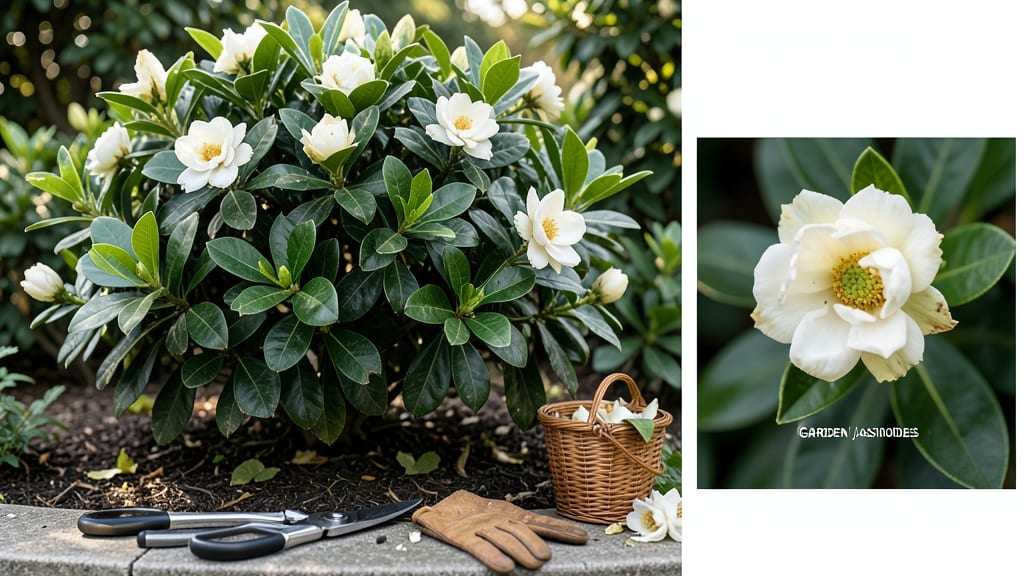
To trim gardenia bushes at the right time means preserving their stunning 🌸 blooms and intoxicating fragrance for next season — and missing the window can leave you with bare branches by summer.
Picture this: You’ve just admired your gardenias in full bloom, their white petals heavy with scent, when you wonder, Should I prune now? The answer isn’t as simple as "after they flower."
Timing matters more than you think — cut too early, and you risk stunting next year’s buds; too late, and you invite pests or disease. I’ve made both mistakes, and the results weren’t pretty.
Most gardeners in USDA Zone 6a should wait until late winter to early spring, just as new growth begins but before the buds swell. This post-dormancy window is your sweet spot: you’ll shape the bush without sacrificing flowers.
But if you’re in a warmer climate, the rules shift slightly — and that’s where things get tricky.
Here’s what you’ll discover: the exact seasonal cues to watch for, how to prune without killing next year’s blooms, and the tools that make all the difference. No more guesswork, just lush, fragrant gardenias year after year.
Best time to prune gardenia bushes for healthy growth and blooms
Timing is everything when it comes to pruning your gardenia bushes. These fragrant beauties bloom on old wood, meaning their flowers form on last year’s growth—not new shoots. Cutting at the wrong time can sacrifice next year’s blooms entirely.
The ideal pruning window is late winter to early spring, just as new growth begins but before buds swell. This ensures you’re shaping the plant without removing potential flower sites.
For gardeners in USDA Zones 8-10, where winters are mild, the best time to trim is February to March. In colder zones (6-7), wait until March or April after the last frost date.
This timing aligns with the plant’s natural dormant-to-growth transition, giving it energy to rebound with vigor and produce abundant blooms by summer.
Here’s why post-bloom pruning is a common mistake: Trimming after flowers fade (late summer/fall) removes current year’s flower buds that are already forming. Always prune after blooms have fully dropped but before new shoots appear. Think of it as resetting the plant’s growth cycle for a fresh start.
Regional adjustments matter because gardenias are sensitive to temperature shifts. In warm climates, prune in late winter to avoid heat stress. In cool climates, delay until spring to prevent frost damage to fresh cuts. Even a 2-week difference can impact bloom timing.
Pruning in late winter/early spring also boosts airflow around the plant, reducing humidity-related diseases like powdery mildew. Aim to remove 1/3 of the oldest wood to encourage juvenile growth that blooms more prolifically.
Use sterilized pruners to prevent bacterial infections, and always cut at a 45-degree angle just above a leaf node.
If you missed the ideal window, don’t panic. You can lightly shape gardenias in summer (June–July) to control size, but avoid heavy pruning. Focus on removing dead or crossing branches only.
For severe overgrowth, spread pruning over two years to minimize stress. Patience here pays off with more fragrant blooms next season.
One critical mistake is pruning too aggressively in spring. Gardenias are sensitive to drastic cuts and may produce fewer flowers if you remove too much foliage at once.
Instead, shape gradually—think of it as haircut layers rather than a buzz cut. This approach maintains the plant’s natural form while encouraging dense, healthy growth.
For container-grown gardenias, the same timing applies, but monitor soil moisture closely after pruning. Potted plants dry out faster and may need daily watering in hot weather. Mulch around the base with organic matter (like pine bark) to retain moisture and protect roots from temperature swings.
This extra care speeds up recovery and sets the stage for luxuriant blooms.
Remember, the goal isn’t just neat pruning—it’s strategic shaping. By trimming at the right time, you’re not just keeping your gardenia bush tidy; you’re investing in next year’s fragrance.
With the right timing and technique, your gardenia will thank you with a sea of creamy-white blooms that fill your garden with sweetness.
Step-by-step guide: how to prune gardenia bushes without killing flowers
Pruning gardenia bushes at the wrong time can leave you with sparse blooms next season, but the secret lies in understanding their growth cycle. These fragrant shrubs bloom on new wood, meaning last year’s growth produces this year’s flowers.
Cut too late, and you risk removing next year’s buds before they form. My gardenias thrived after I learned to prune just as new leaves appeared in early spring—before the buds swelled.
Start by gathering your tools: sterilized pruning shears, sharp bypass pruners, and rubbing alcohol for cleaning cuts. Avoid dull tools—they tear branches and invite disease. I always sterilize mine with rubbing alcohol between cuts to prevent bacterial spread.
Next, focus on removing dead or crossing branches first, then shape the bush to improve air circulation, which reduces fungal issues like powdery mildew.
🌱 Step-by-Step Pruning Timeline for Gardenias
-
Step 1: Wait for Post-Bloom Dormancy
Trim after flowers fade (late winter to early spring). Look for new leaf buds forming—this signals it’s safe to prune.
-
Step 2: Remove Dead/Crossing Branches
Cut out dead wood and branches rubbing together. Use clean shears to make 45-degree cuts just above a leaf node.
-
Step 3: Thin for Airflow
Remove 1/3 of oldest growth to encourage new blooms. Focus on inner branches to improve light penetration.
-
Step 4: Shape the Bush
Prune to maintain a rounded shape. Avoid cutting into next year’s buds—they form at the tips of new growth.
-
Step 5: Clean Up
Dispose of clippings off-site to prevent disease. Sterilize tools with rubbing alcohol after use.
For gardenias in warmer climates (Zones 8-10), the timing shifts slightly. Prune in late winter (February-March) when the threat of frost passes. In colder zones (6a-7), wait until after the last frost (mid-April in most areas).
I once pruned my gardenias in October, thinking they were dormant—and ended up with almost no blooms the next spring. Lesson learned: patience is key.
After pruning, give your gardenias a light fertilizer (10-10-10) to support new growth. Water deeply at the base to reduce stress, and mulch with organic matter to retain moisture.
Avoid heavy pruning in summer—this stresses the plant and can halt flowering. Instead, focus on light shaping to maintain form without disrupting blooms.
Watch for new growth in 4-6 weeks as a sign of successful pruning. If your gardenias produce fewer blooms next season, you may have pruned too late. Adjust your timing the following year by pruning earlier in the season.
With practice, you’ll find the perfect balance between shape and fragrance—just like my gardenias now do every spring.