Shrubs
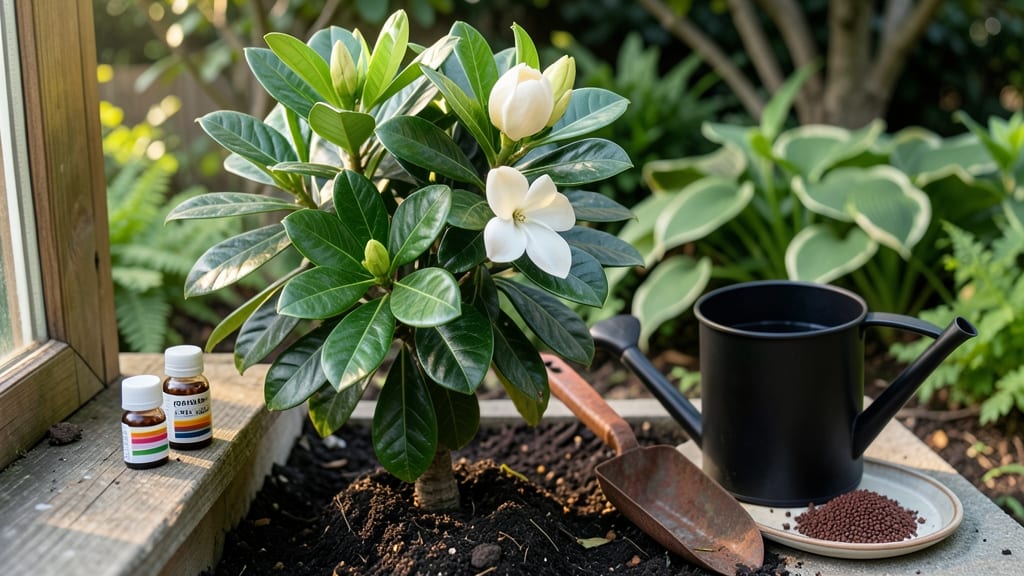
Fertilizing gardenias at the right time—typically early spring and late summer—is the secret to those fragrant blooms you love 🌸.
Struggling to keep your gardenias blooming year after year? Timing your fertilizer applications could be the missing piece—overdo it, and you risk leafy growth with no flowers; skip it, and your plant may starve for nutrients.
Gardenias thrive when fed just before their blooming season kicks in, usually in April or May for Zone 6 growers like you. A light feeding in late summer can also give them a second chance for fall blooms, but too much too late can stress the roots before winter.
Below, I’ll break down the exact schedule, the best fertilizer types for your soil, and how to spot when your gardenia is begging for nutrients—or when it’s had enough.

Optimal fertilization schedule for gardenias: spring vs. fall timing explained
If you've ever wondered why your gardenias produce more leaves than fragrant blooms, the answer likely lies in your fertilization timing. Gardenias thrive on a precise schedule that aligns with their natural growth cycles—spring for new growth and fall for root strengthening.
Getting this wrong can lead to nutrient waste or stressed plants. Let me break down the science behind these seasonal differences and how to apply it to your gardenia care routine.
Gardenias are heavy feeders during their active growing season, which typically runs from late spring to early summer. This is when they need extra nutrients to produce those iconic white, intoxicating blooms.
However, fertilizing at the wrong time—like late summer or fall—can encourage tender new growth that won't survive winter frosts. The key is understanding how each season affects your plant's needs and adjusting your approach accordingly.
Here's where many gardeners go wrong: they treat gardenias like annuals, feeding them continuously throughout the year. But gardenias are semi-evergreen shrubs that enter a partial dormancy in cooler months.
Feeding during dormancy forces the plant to grow when it should be conserving energy, leading to weak stems and fewer blooms the following season. Let's dive into the optimal timing and why it matters so much.
Spring fertilization (March-May) is all about kickstarting growth. This is when you should apply a balanced, slow-release fertilizer (like 10-10-10 or 12-4-8) to support both foliage and flower development. The goal is to provide nutrients just as the plant wakes up from dormancy, but before it enters peak blooming season. In warmer climates (Zone 8+), you might start as early as February, while cooler zones should wait until after the last frost date.
Fall fertilization is a common point of confusion. Most gardeners think feeding in fall helps prepare plants for winter, but for gardenias, this is actually counterproductive. The plant needs time to harden off and store nutrients before winter.
Any new growth stimulated by fall fertilizer won't have time to mature before cold weather sets in. Instead, focus on light mulching and reduced watering to protect roots without encouraging unnecessary growth.
| Season | Primary Goal | Fertilizer Type | Frequency | Climate Notes |
|---|---|---|---|---|
| Spring | Bloom production | 10-10-10 or 12-4-8 | Every 4-6 weeks | Zone 6+: After last frost |
| Summer | Maintain blooms | Light organic feed | Every 8 weeks | Reduce in heatwaves |
| Fall | Root strengthening | None (skip) | N/A | Stop by September |
| Winter | Dormancy support | None | N/A | Protect with mulch |
The NPK ratio of your fertilizer matters just as much as timing. Gardenias prefer a balanced or slightly higher nitrogen ratio (like 10-10-10) in spring to encourage both foliage and flower growth. However, as summer progresses, switch to a lower nitrogen, higher phosphorus formula (like 6-12-6) to support blooming.
This shift helps prevent excessive leafy growth at the expense of flowers, which is a common issue with over-fertilizing gardenias.
One mistake I see frequently is applying fertilizer when the plant is already stressed. If your gardenia shows signs of nutrient burn (yellowing leaves with brown edges) or overwatering (drooping leaves), hold off on fertilizing until the plant recovers.
Always water thoroughly after applying fertilizer to help nutrients reach the roots without burning the foliage. In containers, this means giving the plant a deep watering immediately after feeding.
For gardeners in warmer climates (Zone 8+)**, the timing shifts slightly. You might extend your spring feeding into early summer, but always stop by mid-August to allow the plant to prepare for winter.
In these regions, gardenias can bloom year-round, but they still need this rest period to maintain health. The key is observing your plant's natural growth patterns rather than following a rigid calendar.
Remember, gardenias are acid-loving plants, so always use fertilizers formulated for acid-loving plants or amend your soil with sulfur or peat moss if needed. A soil pH between
Signs your gardenia needs fertilizer (and when to avoid it)
Your gardenia might be silently begging for nutrients if its leaves start turning a pale, yellow-green color—especially between the veins 🌿. This classic sign of nitrogen deficiency often appears when your plant is struggling to produce enough chlorophyll.
I’ve seen this happen most often after winter when gardenias wake up hungry but haven’t been fed since last season.
Another red flag is when your gardenia produces fewer blooms than usual or the buds drop before opening. This isn’t just about age—it’s often a cry for phosphorus and potassium, the nutrients that fuel flowering.
I once had a gardenia that went from 20 blooms to just 3 in one season, and a targeted fertilizer fix brought it back to full glory within months.
🚨
Feed in: Early spring (March-April) and late summer (August-September) for blooms. Skip in: Fall (after September) and winter—this prevents tender new growth before frost.
Warning: Never fertilize when soil is waterlogged or during extreme heat (above 90°F). Gardenias hate salt buildup from over-fertilizing.
Over-fertilizing shows up differently—look for crispy brown leaf edges or sudden leaf drop, especially if the soil looks crusty or white near the roots 🪴. This is a sign of fertilizer burn, where excess salts damage the delicate root system.
I made this mistake last summer by using too much synthetic fertilizer in the heat, and my gardenia took weeks to recover.
Your gardenia might also be telling you it’s had enough if new growth appears thin and leggy rather than bushy. This happens when nitrogen is too high but other nutrients are lacking. The solution? Switch to a balanced 10-10-10 fertilizer and reduce the amount by half for the next feeding.
Seasonal maintenance is key—after your gardenia blooms in summer, give it a light feeding in August to prepare for fall blooms, but stop completely by September. I’ve found that gardenias in containers need more frequent feeding (every 4-6 weeks) than in-ground plants, which can rely on soil nutrients longer.
Pro tip: Always water your gardenia deeply before fertilizing to help nutrients reach the roots. I use a moisture meter to check—if the top 2 inches of soil are dry, it’s time to water first, then feed.
This simple step prevents fertilizer from sitting on the surface and burning the roots.