
Planting
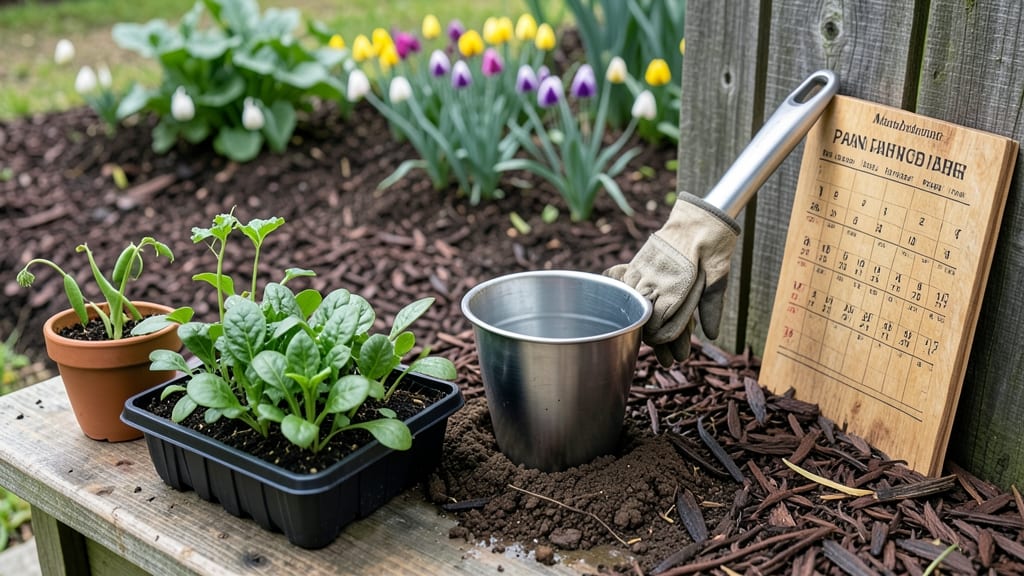
To plant your Maryland garden at the perfect time means timing your General Garden Vegetables 🌱 for peak growth—and avoiding the heartbreak of frost-nipped seedlings or wasted summer heat.
Maryland’s unpredictable weather can make timing your garden planting a challenge—but getting it right means the difference between a thriving harvest and wasted seeds. Whether you’re a first-time gardener or a seasoned green thumb, knowing the exact planting windows for your region is critical.
Spring crops like lettuce and peas thrive when planted 4-6 weeks before your last frost (around April 15 in most of Maryland), while tomatoes and peppers need to wait until after the last frost—usually mid-May—to avoid stunted growth.
Inside, I’ll break down the ideal planting dates for every season, plus pro tips for adjusting to Maryland’s microclimates, soil types, and even urban heat islands. Let’s get those General Garden Vegetables 🌱 growing strong!
Maryland’s planting zones & exact dates by season for maximum yield
Maryland spans USDA Hardiness Zones 5b through 8a, meaning your planting schedule depends heavily on where you live.
In Western Maryland (Zone 5b-6a), like Frederick or Hagerstown, frost lingers longer—often until mid-April—while Eastern Maryland (Zone 7a-8a), including Annapolis and Baltimore, sees frost-free dates as early as late March. Coastal areas like Chesapeake Bay regions may even warm up a week sooner.
These microclimates create a 2-3 week difference in your planting timeline!
For cool-season crops like lettuce, spinach, and peas, aim to plant 4-6 weeks before your last frost date.
In Baltimore (Zone 7b), that’s typically mid-March, while in Western Maryland (Zone 6a), wait until late March. Warm-season crops such as tomatoes, peppers, and cucumbers need soil temps above 60°F, so hold off until 2-3 weeks after your last frost—usually mid-to-late May in most of Maryland.
Fall planting is equally critical. Cool-season crops like kale and carrots thrive when planted 8-10 weeks before your first frost (around early September for most areas). Meanwhile, warm-season crops like beans and corn should be sown by mid-July to mature before frost hits in early November.
Miss these windows, and you’ll risk stunted growth or bolted greens.
Frost-free dates vary by region:
- Annapolis (Zone 7b-8a): Last frost March 25–April 5, first frost November 5–15
- Baltimore (Zone 7b): Last frost April 1–10, first frost November 10–20
- Western MD (Zone 5b-6a): Last frost April 15–May 1, first frost October 25–November 5
Pro Tip: Extend your season with row covers or cold frames to plant 2-3 weeks earlier in spring or 2 weeks later in fall. For example, in Baltimore, you could start spinach in early March under a cover, then transplant outdoors after the last frost.
If you’re in Zone 5b (Western MD), prioritize fast-maturing varieties like bush beans (50 days) or radishes (25 days) to squeeze in a harvest before frost. In Zone 8a (Eastern MD), you can afford longer-season crops like indeterminate tomatoes (80+ days) or sweet corn (90 days).
Always check seed packets for days to maturity and count backward from your frost date!
For Baltimore and Annapolis, where urban heat islands can push temps up by 5–10°F, you might safely plant warm-season crops 1 week earlier than rural areas.
Conversely, higher elevations (e.g., Catoctin Mountain) may delay planting by 1–2 weeks. Adjust your schedule based on microclimates, not just zip codes.
Don’t forget succession planting! In Maryland’s short growing season, plant lettuce every 2 weeks from spring to fall for a continuous harvest. Similarly, sow radishes every 10 days to keep pests at bay and ensure
How to adjust planting times for Maryland’s microclimates & soil conditions
Maryland’s diverse geography creates microclimates that can shift planting times by weeks—even within the same county. Urban areas like Baltimore often experience heat islands that delay frost, while higher elevations in Western Maryland may see earlier freezes.
These variations mean your neighbor’s tomato harvest might not align with yours, even if you’re just 10 miles apart.
Beyond climate, Maryland’s soil types—ranging from clay-heavy in the Eastern Shore to sandy loam in the Piedmont—also impact planting windows. Clay soil stays cooler longer, while sandy soil warms up faster in spring.
Adjusting for these factors ensures your seeds germinate at the right time and your plants thrive without stress.
If you’re gardening in coastal Maryland (e.g., Annapolis), the moderate maritime climate may allow you to plant cool-season crops like broccoli as early as late February.
Meanwhile, inland areas (e.g., Frederick) might need to wait until mid-March to avoid frost damage. Always monitor local weather forecasts and adjust your schedule accordingly.
For soil-specific adjustments, amend clay soil with compost or sand to improve drainage, while sandy soil benefits from organic matter like peat moss to retain moisture. These tweaks help create ideal conditions for seed germination and root development, ensuring your plants start strong.
Don’t overlook the power of shade cloth or mulch to fine-tune your planting windows. A 30% shade cloth can protect heat-sensitive crops (e.g., lettuce) in summer’s peak heat, while black plastic mulch warms soil faster in spring, giving warm-season crops a head start.
These tools are game-changers for Maryland gardeners.
By accounting for your local microclimate, soil type, and seasonal extensions, you’ll turn Maryland’s variable climate into an advantage. With the right adjustments, you can enjoy longer growing seasons, healthier plants, and bountiful harvests—no matter where you garden in the state. 🌱