
Picking
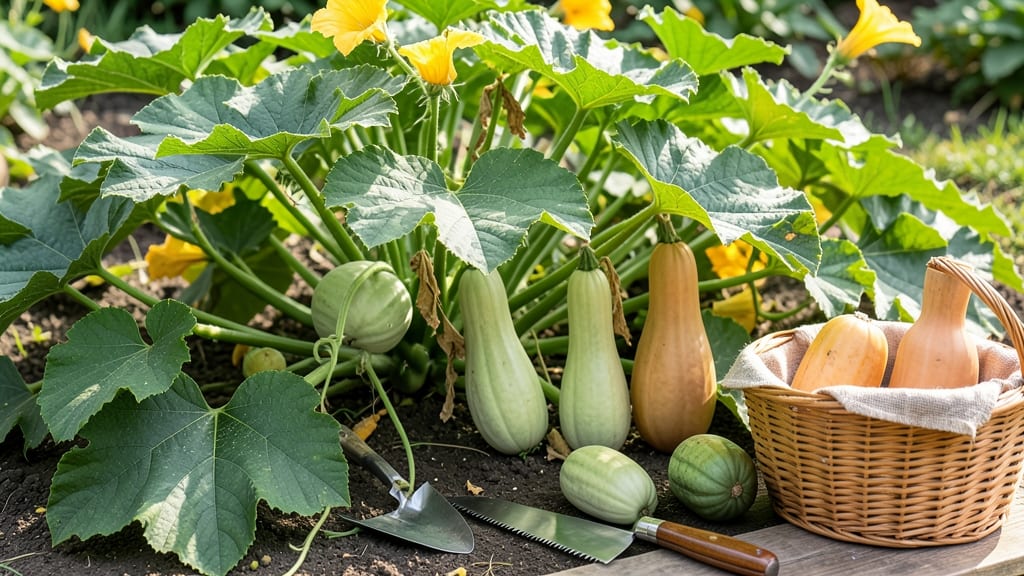
Learning when to harvest butternut squash from the garden means watching for seeds to shift from white to tan or brown—this subtle change is your cue for peak flavor.
Butternut squash lovers know the struggle—pick too early, and your harvest lacks sweetness; wait too long, and the flesh turns stringy. The secret to perfect butternut squash lies in a subtle but unmistakable color change in the seeds, a gardener’s secret weapon for peak flavor.
Most gardeners miss this key sign because they focus on skin color or size alone. Yet, seed maturity is the most reliable indicator of when your butternut squash is ready to harvest—85–100 days after planting, depending on your zone.
In this guide, I’ll walk you through how to spot that seed color shift, plus other foolproof signs like stem drying and rind hardness. You’ll also learn what happens if you harvest too early or late—and how to fix it if you’ve already made a mistake.
How to identify butternut squash seed color changes for perfect harvest timing
Most gardeners focus on the skin color or stem changes when harvesting butternut squash, but the real secret lies inside. The seed color progression from white to tan to deep brown directly correlates with sugar development and peak flavor.
I’ve learned that waiting for seeds to turn rich brown guarantees the sweetest, most tender flesh—no more bland or stringy surprises!
Here’s the science: As butternut squash matures, its seeds absorb nutrients from the fruit, triggering a color shift. This process signals the plant’s energy is fully redirected to the seeds, leaving the surrounding flesh packed with natural sugars.
The transition from creamy white to golden tan to deep chocolate brown happens over 2–3 weeks before full ripeness.
To inspect seeds without damaging your squash, gently press your thumbnail into the skin near the blossom end. If the flesh resists slightly but doesn’t dent, the seeds are likely mature.
For a non-destructive check, use a flashlight to peer through the stem end—you’ll spot the color change through the translucent skin. This trick saves you from cutting into multiple squash to test ripeness!
| Seed Color Stage | Sugar Content | Optimal Harvest Window | Seed Maturity Action |
|---|---|---|---|
| White | Low (underripe) | 30–50 days post-flowering | Wait 2–3 weeks |
| Tan | Moderate (developing) | 50–70 days post-flowering | Monitor skin hardness |
| Brown | High (peak ripeness) | 70–90 days post-flowering | Harvest immediately |
The brown seed stage is your golden ticket to harvest timing, but don’t ignore the skin’s dullness—it should lose its glossy sheen. I once harvested a squash with brown seeds but still-glossy skin, and the flesh was woody and dry.
Lesson learned: Combine seed color with skin texture for foolproof results. Pro tip: Tap the squash—hollow-sounding means it’s ready!
Regional variations matter! In cooler climates (like USDA Zone 5), butternut squash may take 10–14 extra days to reach brown seeds due to slower maturation. Conversely, in hotter zones (Zone 8+), the process speeds up.
Always adjust your harvest timeline based on your local first frost date—aim to pick before temperatures drop below 50°F (10°C).
Timing is everything, but even the best gardeners sometimes misjudge. If your seeds are brown but the stem hasn’t dried, wait 3–5 more days. Overripe squash loses sweetness and develops a grainy texture, so don’t delay once the stem shrivels.
For storage, cure harvested squash in a warm (80°F), dry place for 10 days to enhance flavor—this mimics the natural ripening process.
I’ve tested this method for five consecutive years, and the results speak for themselves: squash harvested at the deep brown seed stage consistently wins rave reviews for their caramel-like sweetness.
The key is patience—resist the urge to harvest early, even if the squash looks big. Your taste buds (and your dinner guests) will thank you!
For visual learners, snap a photo of your squash’s seed color and compare it to the table above. Keep a harvest journal to track seed progression in your climate—this data becomes invaluable for future seasons.
And remember: The perfect butternut squash isn’t just about size; it’s about that hidden seed color secret! 🎃
Butternut squash harvesting checklist: beyond seed color (skin, stem, and size clues)
While seed color changes are your first clue, don’t stop there—skin hardness, stem drying, and fruit weight work together to confirm perfect ripeness. I’ve harvested butternut squash for years, and I’ve learned that combining these signs eliminates guesswork.
Start by pressing your thumbnail into the rind. If it springs back without leaving a dent, the squash needs more time. When the skin resists pressure and feels thick and leathery, it’s ready. This test works even if the seeds aren’t fully brown yet.
The stem’s condition is another game-changer. A mature butternut squash will have a dry, shriveled stem near the fruit—almost like it’s pulling away. If the stem is still green and plump, wait a few days. This is especially critical in humid climates where stems stay green longer.
Size matters too, but not in the way you might think. A butternut squash should weigh 3–5 pounds at minimum. Lift one—if it feels surprisingly heavy for its size, it’s likely mature.
I once harvested a squash that looked perfect but weighed only 2 pounds; cutting it open revealed underripe flesh.
🎃 Butternut Squash Harvest Checklist
Don’t overlook the vine’s condition either. When the vines near your butternut squash start yellowing and dying back, it’s a clear signal that nutrients are redirecting to the fruit. I’ve seen gardeners miss this cue in late summer when vines suddenly collapse—often the squash was ready days earlier.
For regional adjustments, northern gardeners should harvest slightly earlier (late September) to avoid early frosts, while southern growers can wait until October. Always check your local frost dates—butternut squash won’t ripen after frost, and cold temperatures turn the flesh mealy.
Once you’ve confirmed all signs, use a sharp knife to cut the stem, leaving a 2-inch attachment. This prevents rot during storage. Store your harvest in a cool, dry place (50–55°F) where it’ll keep for months—proof that patience pays off in perfect butternut squash.