
Picking
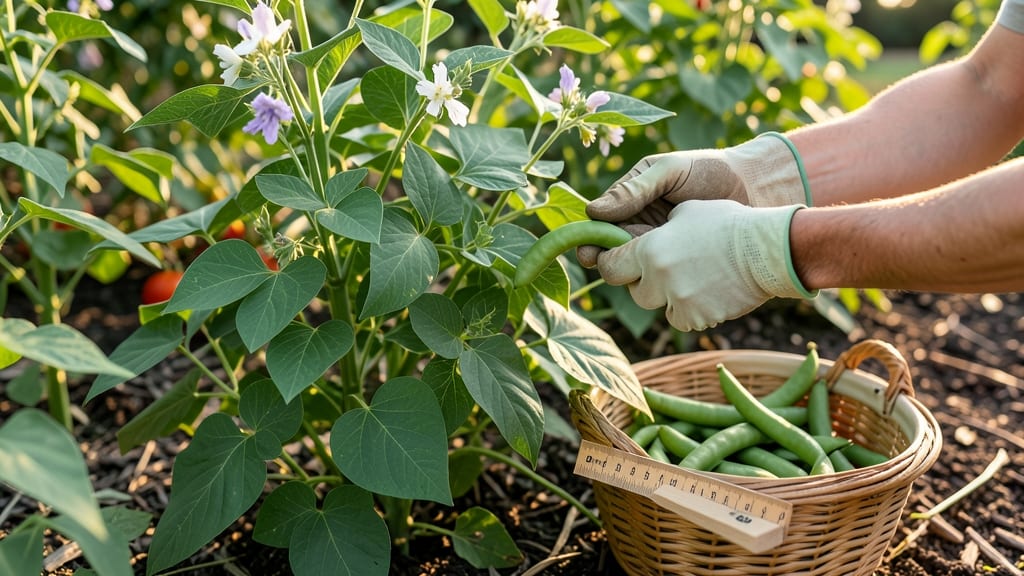
To pick green beans from your garden at the perfect moment means crisp, flavorful pods—not tough, stringy ones you’ll regret leaving behind.
You’ve spent weeks nurturing your 🌱 green beans, and now the stakes are high: harvest too early, and you’re left with tiny, underdeveloped pods; too late, and they turn woody. The key? Timing based on size, color, and a simple snap test that takes just seconds.
In Zone 6, where most gardeners plant in April–May, beans typically reach peak flavor between 50 and 60 days after sprouting. But the real secret isn’t just days—it’s cues like deep green pods, visible seeds, and that satisfying snap when bent.
Miss these, and your harvest could be half the yield.
Below, I’ll walk you through the exact steps to test your beans, the best times of day to pick, and how often to harvest to keep your plants producing all summer. No more guesswork—just perfect, homegrown flavor.


The snap test & color guide: how to tell when green beans are ready
Green beans are at their peak when they’re crisp, tender, and packed with flavor. The classic snap test is your best friend here—it tells you exactly when to pick for that perfect texture.
But don’t stop there! Color, size, and seed development also play key roles in determining the ideal harvest window. Mastering these cues ensures you enjoy beans that are juicy and sweet, not tough or stringy.
Most green bean varieties reach harvest readiness 50-60 days after planting, but timing can shift slightly based on your climate zone and growing conditions. For example, in Zone 6, beans typically hit peak flavor between mid-July and early September.
However, the real magic happens when you combine the snap test with visual checks—this combo guarantees you never miss the window.
Start by examining pod size. Most green beans are ready when they reach 4-6 inches in length, though some varieties like Blue Lake may be smaller. Next, check the color consistency: pods should be a vibrant, deep green—not pale or yellowing.
Finally, peek inside for seed visibility. If the seeds are plump but not overly large, you’ve hit the sweet spot.
Hold a pod near the middle and gently bend it backward. If it snaps cleanly with a slight crack, it’s ready to pick. If it bends without snapping, it’s too young. If it feels woody or resists, it’s overripe.
Measure the pod length. Most varieties should be 4-6 inches long at harvest. Bush beans (like Contender) may be smaller, while pole beans (like Kentucky Wonder) can grow longer—up to 8 inches.
Look for a deep, consistent green. Avoid pods with yellowing tips or streaks, as this signals overmaturity. Stringless varieties should also be free of fibrous strands along the seam.
Open a pod to check the seeds. At peak harvest, seeds should be visible but not dominant. If they’re tiny or barely visible, the pod is too young. If they’re large and filling the pod, the bean is past its prime.
Pick beans early in the day when temperatures are cool. This preserves crispness and flavor. Use clean pruners or scissors to avoid damaging the plant, or gently twist pods off by hand.
Don’t overlook the frequency of picking—this is crucial for continuous production. When you harvest beans every 2-3 days, you encourage the plant to produce more pods instead of letting them mature into tough, dry beans.
Think of it like pruning flowers: the more you remove spent blooms, the more the plant focuses on new growth.
Regional variations can tweak your timing slightly. In warmer climates (Zones 8-10), beans may mature faster—sometimes in as few as 45 days. In cooler zones (Zones 3-5), you might need to wait closer to 60 days.
Always adjust based on your local growing season and the specific variety you’re growing.
Overripe green beans lose their crisp texture and sweet flavor, becoming tough and stringy. If you miss the harvest window, the pods may turn yellow or brown and develop large, hard seeds.
While these beans can still be cooked, they’re far less enjoyable fresh. To avoid this, monitor your plants daily once they start flowering.
Pro tip: Stringless varieties (like Blue Lake or Roma) are easier to harvest because they lack the fibrous strings found in traditional beans. This makes them a great choice for beginner gardeners or those who dislike dealing with tough seams.
Just remember, even stringless beans still need the snap test and size checks to ensure peak flavor.
Once you’ve mastered the snap test and color guide, you’ll never second-guess when to pick your green beans again. The key is to act quickly—beans can go from perfect to overripe in just 24-48 hours.
With practice, you’ll develop an eye for spotting the ideal pods, and your garden will reward you with a bountiful, flavorful harvest all season long. 🌱
Best time of day & frequency for picking green beans to boost yield
Harvesting your green beans at the right time of day and with the right frequency can double—or even triple—your yield. Morning is my go-to time because the pods are crispest and coolest, preserving their flavor. Plus, picking early prevents afternoon heat from toughening the beans before you get to them.
If you must pick in the evening, do it before sunset to avoid moisture buildup on the pods, which can lead to fungal issues.
I’ve learned the hard way that soggy beans left overnight in humid conditions turn mushy by morning—so always harvest dry and store them in the fridge for freshness.
Now, let’s talk frequency. Most gardeners make the mistake of picking once a week, but that’s a missed opportunity. Green beans produce continuously, and the key to a bountiful harvest is picking every 2-3 days.
This signals the plant to keep producing more pods instead of letting them mature into tough, woody beans.
- 1. Morning Picks – Harvest between 7-9 AM for crispest pods and cooler temps.
- 2. Every 2-3 Days – Pick frequently to encourage more production and prevent over-maturity.
- 3. Check for Over-Maturity – If pods turn yellow or brown, seeds bulge, or beans feel woody, it’s time to stop.
- 4. Use Sharp Scissors – Cut stems cleanly to avoid damaging the plant and speed up regrowth.
- 5. Stop Before Frost – Green beans won’t survive light frosts; harvest all pods by mid-October in Zone 6.
Over-maturity is the silent yield-killer. I’ve seen plants loaded with large, lumpy pods that were past their prime, while smaller, neglected plants nearby were still producing. Watch for yellowing leaves or pods that snap with a hollow sound—these are red flags that your beans are overdue for harvest.
For pole beans, I like to work my way up the trellis, picking the lowest pods first to keep the plant’s energy focused on the top. Bush beans, on the other hand, benefit from a systematic row-by-row approach to avoid missing spots.
Either way, a quick once-over every few days keeps the harvest flowing.
One last pro tip: If your plants slow down in late summer, don’t panic. Green beans often taper production as temperatures rise. Instead of fertilizing, focus on watering deeply in the morning and harvesting what’s ready.
This extends the season by weeks and keeps your plants healthy until the first frost.