
Picking
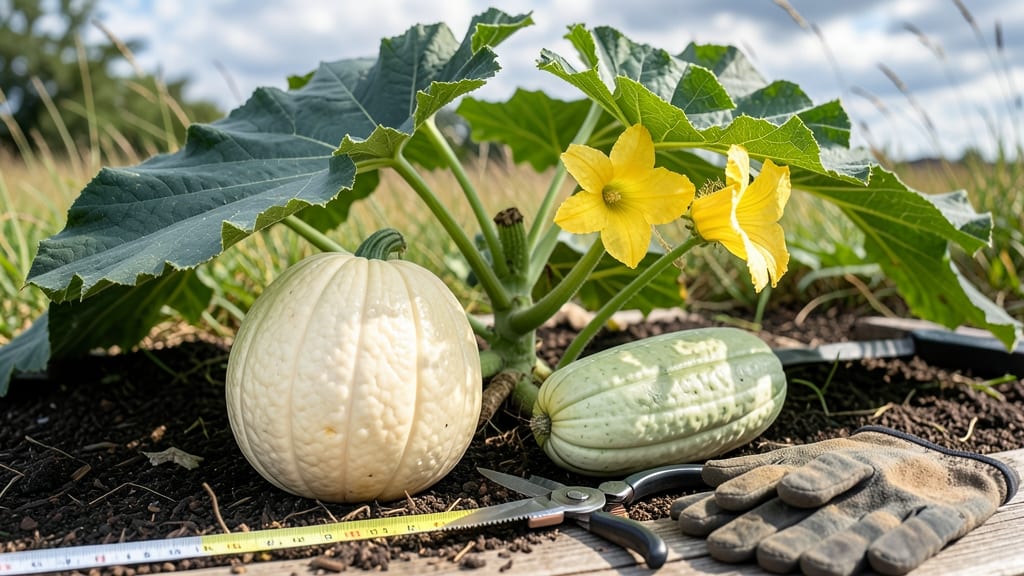
To pick spaghetti squash from your garden at the perfect time, wait until the rind turns dull and the stem hardens—this means tender, noodle-like strands instead of tough, stringy mess.
Picture this: you’ve nurtured your 🎃 for months, and now the moment of truth arrives. One wrong move, and you’re left with a squash that’s either too hard or too soft—neither of which ends up as the silky dish you dreamed of.
The key? Knowing the exact visual cues that signal it’s time to harvest.
Most varieties mature between 80 and 120 days, but timing isn’t just about days—it’s about color, texture, and even weight. A dull rind, a woody stem, and a squash that feels heavy for its size?
That’s your green light. Ignore these signs, and you risk ending up with a squash that’s either underripe or overripe.
In this guide, I’ll walk you through three foolproof ways to test readiness, plus how to store your harvest so it stays fresh for weeks. No more guesswork—just perfect spaghetti squash every time.
3 Visual cues to pick spaghetti squash at peak ripeness
Harvesting spaghetti squash at the perfect moment transforms your garden bounty into tender, noodle-like strands instead of tough, unappetizing pulp. The key lies in three simple but critical visual cues that reveal when your squash is ready to pick.
Ignore these signs, and you risk ending up with a meal that’s more frustrating than delicious.
I’ve learned the hard way—overripe squash turns grainy and dry, while underripe squash stays hard and bitter. But when you master these harvesting indicators, you’ll consistently pull perfect squash from your garden. Let’s break down what to look for before you grab your pruners.
Look for a dull, matte finish instead of glossy green. The rind should turn a pale yellow or cream color when fully ripe.
Press the stem near the squash—it should feel hard and dry like a dried twig. If it’s still soft or green, wait a few more days.
Lift the squash—ripe ones feel surprisingly heavy because their seeds and flesh have fully developed. Light squash are still immature.
Don’t rely on days after flowering alone—visual cues are your best guide. For example, my ‘Honey Bear’ variety often ripens 10 days earlier than the label suggests, but the rind color never lies. Pro tip: Check squash in the morning when the skin is dry and easier to assess.
Once you spot these signs, act fast. Spaghetti squash overripen quickly on the vine, leading to dry, stringy strands that fall apart when cooked. Use a sharp knife or pruners to cut the stem, leaving a 2-inch tail attached. This prevents rot and makes storage easier.
After harvesting, cure your squash for 3–5 days in a warm, dry spot (like a sunny windowsill) to harden the skin. This step extends shelf life and improves flavor. I cure mine on a wire rack—it’s a small effort for big rewards in the kitchen.
If you’re unsure whether your squash is ready, perform the thumb test: Press a fingernail into the rind. A ripe squash will dent slightly but not bruise. Overripe ones bruise easily, while underripe ones barely dent. This trick works every time for me, even with early-season varieties.
Remember, harvest timing varies by climate. In hotter zones, squash may ripen faster, while cooler areas might need extra weeks. Always prioritize the visual cues over calendar dates—your taste buds will thank you later.
Now that you’ve mastered the art of picking, your next challenge is cooking those perfect strands. But that’s a story for another post—first, get that squash into your kitchen before it’s too late! 🎃
How long does spaghetti squash take to mature? Timeline by variety
Spaghetti squash isn’t a one-size-fits-all crop—some varieties mature in 80 days, while others take nearly 120 days to reach peak ripeness. Your harvest schedule depends on the variety you’re growing and your local climate zone.
For example, ‘Early Progeny’ is ready in as little as 85 days, making it perfect for shorter growing seasons, while ‘Honey Bear’ takes closer to 100 days.
If you’re in USDA Zone 6a or warmer, most varieties will mature between mid-September and October. But cooler climates? Plan to harvest earlier or choose faster-maturing types like ‘Golden Delicious’, which typically matures in 90 days.
The key is tracking days from transplanting—not planting—since seedlings need time to establish before flowering and fruiting.
Here’s the breakdown you need to adjust your schedule:
Pro tip: Use frost-free days as your guide. If your first frost is October 15, aim to harvest 4–6 weeks before to avoid cold damage. For example, if you’re growing ‘Honey Bear’ (100 days), transplant by mid-June to ensure maturity before frost.
In warmer zones, you might even get a second harvest if you plant ‘Early Progeny’ in late summer for a fall crop.
Don’t forget to account for soil warmth—spaghetti squash thrives when soil temps hit 60°F. In cooler zones, use black plastic mulch or wait until late spring to transplant.
Patience pays off: a squash harvested too early will taste bland, while one left too long on the vine risks becoming woody or developing pests.
Once you’ve nailed the timing, store your harvest in a cool, dry place (50–55°F) for up to 3 months. The longer you wait to pick, the more the strands inside toughen—so mark your calendar and watch for those dull rinds and woody stems! 🎃