
Picking
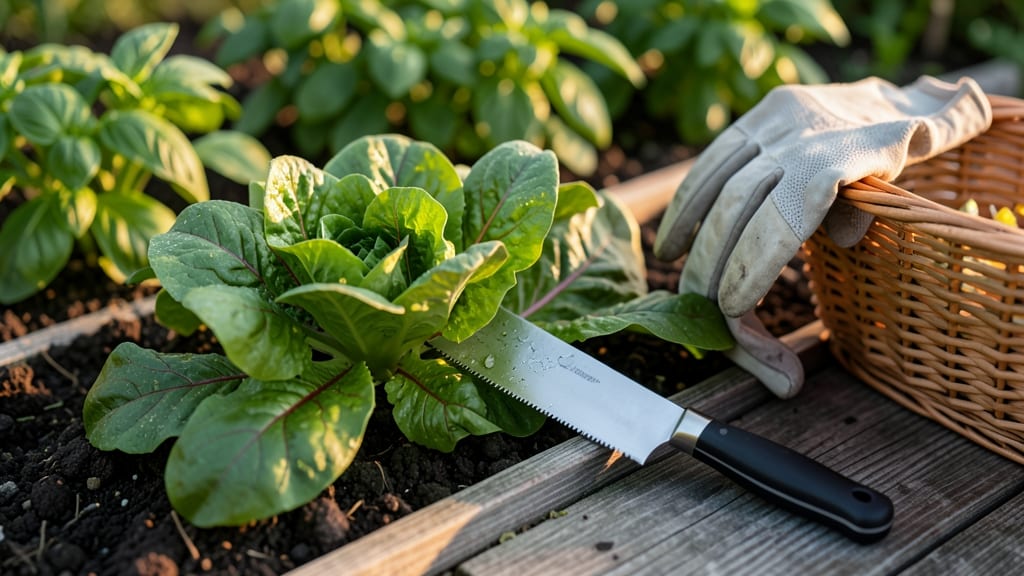
Garden lettuce 🥬 is ready to pick when leaves reach 4–6 inches and stay crisp under gentle pressure—usually 4–6 weeks after planting, depending on your variety.
Miss this window, and you’re left with bitter, tough leaves or bolted plants that go to seed before you get a single salad. I’ve wasted entire crops waiting too long, only to watch my crisp romaine turn into a sad, wilted mess.
Here’s how to tell when your lettuce is truly ready: check for firmness, vibrant color, and the right size, plus how to harvest without sacrificing regrowth for a second flush.
You’ll also learn how temperature and sunlight tweak the timeline, so you can time your picks for peak flavor—no guesswork, just crunchy perfection.

Exact harvest times for leaf lettuce vs. head lettuce: key differences
Harvesting lettuce at the perfect moment ensures crisp, flavorful leaves without bitterness or bolting. The biggest difference between leaf lettuce and head lettuce lies in their ideal harvest timing and regrowth potential. Leaf varieties thrive with the cut-and-come-again method, while head lettuce demands precision to prevent premature flowering.
For leaf lettuce, you can start harvesting as soon as the outer leaves reach 3-4 inches. This method allows you to pick leaves repeatedly, encouraging new growth.
In contrast, head lettuce requires waiting until the entire head is fully formed—typically 45-60 days after sowing—before harvesting to avoid loose, bitter leaves.
🌱
When harvesting leaf lettuce, focus on the outer leaves first—this protects the inner growth. Use clean, sharp scissors or pruners to snip leaves just above a leaf node, leaving at least 1-2 inches of stem to encourage regrowth.
For head lettuce, wait until the head is fully compact and the leaves are tightly wrapped. Cut the entire head at the base with a knife to avoid damaging surrounding plants.
One critical mistake is harvesting head lettuce too early—this leads to loose, bitter leaves. Conversely, waiting too long risks bolting, where the plant sends up a flower stalk, ruining the tender leaves.
For leaf lettuce, avoid harvesting more than 1/3 of the plant at once to prevent stress and stunted growth.
Temperature also plays a role: leaf lettuce can handle cooler weather better, while head lettuce may bolt faster in hotter conditions. If your garden is warming up, prioritize harvesting head lettuce before the daytime temperature exceeds 75°F.
For leaf varieties, mulch with straw to keep roots cool and extend the harvest season.
Pro tip: Taste-test a small leaf before full harvest. If it’s crisp with no bitterness, it’s ready. For head lettuce, gently squeeze the head—if it feels firm and dense, it’s harvest-ready. Soft or hollow heads mean it’s past its prime.
🌿
Finally, store harvested lettuce properly to maintain freshness. For leaf lettuce, wrap leaves in a damp paper towel and refrigerate for up to 5 days. Head lettuce lasts 7-10 days when stored whole in a plastic bag with a paper towel to absorb moisture.
With these cues, you’ll enjoy a steady supply of fresh, crisp lettuce all season long.
How to test lettuce ripeness without guessing: 3 pro tips for perfect picks
Determining when your garden lettuce is ready to pick doesn’t have to be a guessing game. I’ve learned that leaf firmness, stem color, and even a quick taste test can reveal the perfect moment—before bitterness or bolting ruins your crop.
Overwatering or waiting too long are my biggest mistakes, but these simple checks will help you avoid them.
Start by examining the outer leaves. If they’re 4–6 inches long and hold their shape when gently squeezed, your lettuce is likely ready. For head varieties like romaine, the head should feel dense and compact, not loose or spreading.
Ignoring these cues often leads to tough, bitter leaves that no one wants in their salad.
-
1. Leaf Firmness Test
Gently press a leaf—crisp leaves spring back, while soft leaves stay bent. Overly firm leaves may need more time, but mushy ones are past their prime. -
2. Stem Color Check
Healthy stems should be light green or white. Yellowing or brown stems signal overmaturity or disease, while pale stems may mean nutrient deficiency. -
3. Taste Test
Snip a small leaf and taste it—bitter flavor means it’s time to harvest before bolting. Sweet, mild leaves are perfect for salads.
Don’t forget to harvest in the morning when leaves are cool and crisp. This is when their flavor and texture are at their peak, and you’ll avoid the wilted disappointment of afternoon picks.
I once waited until evening to harvest my butterhead lettuce, and the results were disappointingly limp and flavorless.
For cut-and-come-again varieties like loose-leaf lettuce, harvest the outer leaves first, leaving the inner ones to grow. This method extends your harvest window by weeks, giving you a continuous supply of fresh greens. Just avoid cutting more than one-third of the plant at a time to prevent stress.
Watch for bolting signs, like tall flower stalks or bitter taste, which mean your lettuce is past its prime. Heat or drought often triggers bolting, so keep your plants well-watered and mulched. I’ve lost entire crops to bolting because I ignored these warning signs—don’t make the same mistake!
With these tips, you’ll never second-guess your lettuce harvest again. The key is to act quickly once you spot those crisp, vibrant leaves, because once they’re ready, they won’t stay that way for long. Happy harvesting! 🥬