
Planting
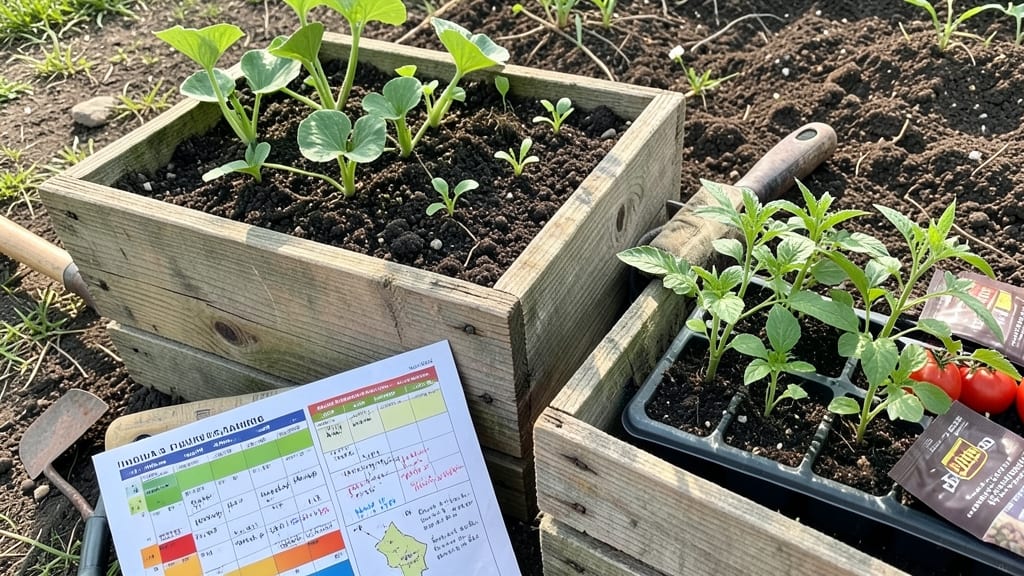
Planting a garden in Indiana at the right time means the difference between a bountiful harvest and a sad pile of frost-nipped seedlings 🌱.
Indiana gardeners know timing is everything—plant too early and risk frost damage, too late and miss peak harvests. With Zone 6A/6B’s unpredictable spring weather, knowing exactly when to plant each crop can mean the difference between a thriving garden and a disappointing one.
Cool-season crops like lettuce and peas thrive when planted 4-6 weeks before your last frost, while warm-season favorites such as tomatoes and peppers need to wait until two weeks after the average last frost date—usually mid-May in most of the state.
In this guide, I’ll break down the perfect planting windows for Indiana’s most popular crops, share pro tips for adjusting to late frosts or early heatwaves, and help you avoid common mistakes that ruin timing—so you can grow a garden that’s ready to harvest all season long.
Indiana’s planting timeline by crop type: zone 6A/6B frost dates & hardiness
Indiana’s Zone 6A/6B climate offers a 165-day frost-free season, but knowing exactly when to plant each crop is key to avoiding frost damage or missed harvests. The average last frost date ranges from April 15–May 1, while the first frost typically arrives October 15–20.
Soil temperature is just as critical as air temperature—most warm-season crops need soil at 60–65°F before planting.
Cool-season crops like spinach and kale thrive in Indiana’s cooler months, while tomatoes and peppers demand warmth. Perennials like asparagus and strawberries have unique timing needs. Below, I’ve broken down the optimal planting windows for each category, aligned with Indiana’s climate quirks.
📅 Pro Tip: Use a soil thermometer to confirm soil warmth—especially for warm-season crops. Purdue Extension’s frost date maps are a great resource for regional adjustments.
For cool-season crops, start seeds indoors 4–6 weeks before the last frost (around February 20–March 15) for early harvests. Direct-sow hardy greens like spinach and kale as soon as soil is workable in early March.
These crops tolerate light frosts, but avoid planting too early—clay soils in Indiana stay cold and wet, delaying germination.
Warm-season crops like tomatoes and peppers need to wait until soil reaches 60°F, typically after May 15. Use black plastic mulch to warm soil faster if needed. If you’re eager to plant, start basil and cucumbers in a cold frame or under row covers 2–3 weeks earlier.
Don’t overlook fall planting—Indiana’s mild autumns allow for second harvests of kale, carrots, and radishes. Sow these July 15–August 31 for harvests before the first frost. Use lightweight row covers to extend the season by 2–3 weeks in late fall.
Perennials like asparagus and strawberries have unique timing. Plant asparagus crowns in early spring
How to adjust your planting schedule for Indiana’s unpredictable weather patterns
Indiana’s weather can throw a curveball—one week you’re planting peas, the next you’re scrambling to cover seedlings from a surprise frost 🌡️. The key to success? Flexibility. I’ve learned to adjust my planting schedule using localized forecasts, protective gear, and succession planting to beat Mother Nature’s unpredictability.
Start by checking Purdue Extension’s frost date maps—they provide county-specific averages. For most of Indiana, the last average frost date falls between April 15 and May 1, but northern regions can see frost as late as May 15.
Use this as your baseline, then add 3-4 weeks for cool-season crops like kale or spinach.
- 🌡️ Use a soil thermometer—warm-season crops like tomatoes need soil temps above 60°F to germinate.
- 🛡️ Row covers extend the season by 2-4 weeks—perfect for late frosts or early heatwaves.
- 🌱 Succession plant heat-loving crops like beans every 2 weeks for continuous harvests.
- 📅 Check Purdue Extension’s 7-day forecasts before planting warm-season crops—delay if frost is predicted.
- 🌿 Switch to cold-hardy crops like radishes or peas if spring is slow—they tolerate cooler temps.
For late frosts, I rely on row covers or cold frames to protect tender seedlings. A simple floating row cover can raise soil temps by 5-10°F, giving warm-season crops a head start.
Plant bush beans or cucumbers under cover in early May, then remove it once nighttime temps stay above 50°F.
If summer heat arrives early, opt for shade-tolerant crops like Swiss chard or malabar spinach. These thrive in partial shade when temps exceed 85°F, while traditional lettuce bolts.
For extended harvests, try succession planting every 2-3 weeks—this ensures a steady supply of bush beans, radishes, or carrots all season.
Don’t forget fall planting! Indiana’s growing season often extends into October, making it ideal for cool-season crops. Sow spinach or kale in early September for harvests before the first frost. Use black plastic mulch to warm soil and jumpstart spring planting if needed.
By combining local weather data, protective gear, and flexible planting strategies, you can turn Indiana’s unpredictable weather into an advantage. Start with Purdue Extension’s forecasts, then adjust on the fly—your garden will thank you! 🌱