
Planting
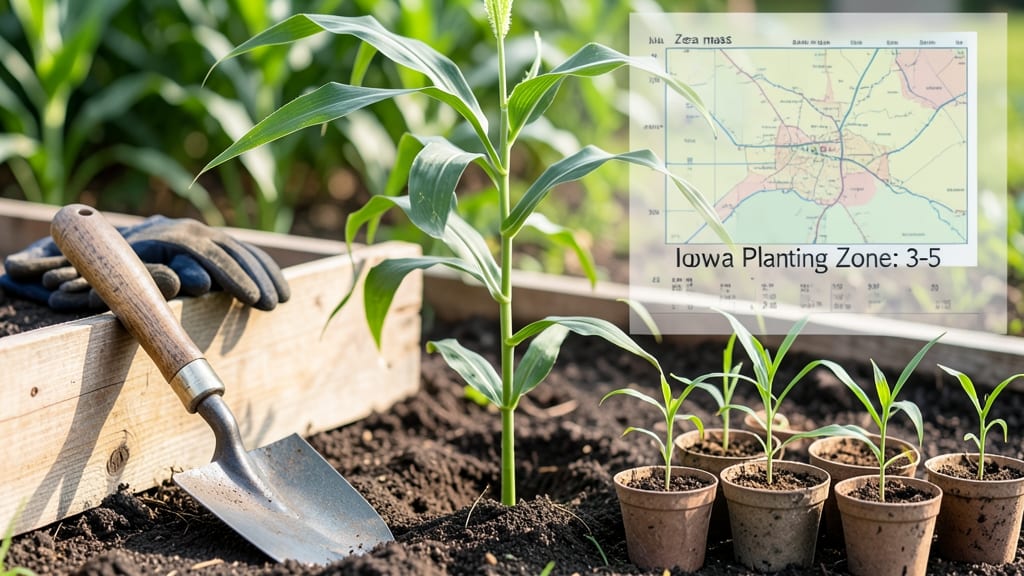
Planting a garden in Iowa at the right time means the difference between a bountiful harvest and a sad, frost-nipped disappointment.
Iowa’s unpredictable frost dates can turn a gardener’s dream into a frozen nightmare—but timing your planting just right ensures a thriving harvest. Whether you’re sowing cool-season crops like peas or waiting for the soil to warm up for tomatoes, getting the timing wrong means wasted effort and empty beds.
Here’s the key: most of Iowa falls in USDA Zones 4a-5a, where last spring frosts typically hit between mid-April and early May. That means starting seeds indoors 6-8 weeks before your average last frost date—or risking tender seedlings that won’t survive the chill.
In this guide, I’ll break down the exact planting windows for your zone, how to prep soil for Iowa’s clay-heavy earth, and the one trick that lets you plant earlier without frost damage. No more guessing—just a garden that thrives from spring to fall.
Iowa planting zones & frost dates: when to start seeds indoors vs outdoors
Iowa spans USDA Hardiness Zones 4a through 6b, meaning gardeners face short growing seasons and unpredictable frost dates. In Zone 4a (northwest), average last frost dates hover around May 15, while Zone 6b (southeast) sees frost-free conditions by April 15.
These differences drastically impact when to start seeds indoors or outdoors for success.
Understanding your microclimate is key—Iowa’s urban heat islands (like Des Moines) can delay frost by 1-2 weeks compared to rural areas. Always check local frost records from Iowa State Extension or the National Weather Service for precision.
For most Iowans, March 1 kicks off indoor seed starting, but timing varies by crop.
Cold-hardy crops like kale and peas can handle light frost, so they go in 2-4 weeks before last frost. Tender plants like tomatoes and peppers need 6-8 weeks indoors before transplanting after frost risk passes.
My rule? Count backward from your region’s last frost date to determine indoor start times.
Here’s how Iowa’s zones break down for planting timing:
| Zone | Avg. Last Frost | Indoor Start (Cold-Hardy) | Indoor Start (Tender) | Outdoor Planting |
|---|---|---|---|---|
| 4a (NW Iowa) | May 15 | March 15 | April 1 | May 22 |
| 5a (Central IA) | May 1 | March 1 | March 15 | May 15 |
| 5b (East-Central IA) | April 25 | February 28 | March 1 | May 1 |
| 6a (SE Iowa) | April 15 | February 15 | February 20 | April 22 |
| 6b (Extreme SE) | April 1 | February 1 | February 10 | April 10 |
For cool-season crops like lettuce and spinach, I start seeds indoors 4-6 weeks before last frost and transplant seedlings 3-4 weeks before frost. These plants thrive in 50-65°F soil and can even handle light frosts.
In my Zone 5a garden, I’ve successfully planted spinach as early as April 1 with row covers.
Warm-season crops like cucumbers and squash need soil temps above 60°F to germinate. I wait until May 15 in my area to direct-sow seeds outdoors, but I always have 6-8 week-old seedlings ready to transplant if late frosts delay planting.
Use a soil thermometer—it’s the best way to avoid failed germination.
Pro tip: Succession planting works wonders in Iowa’s short season. After harvesting early radishes or bush beans, replant with carrots or kale to maximize space. I’ve extended my harvest by 3-4 weeks using this method. Always keep a planting journal to track what works best for your microclimate.
Don’t forget perennials! In Iowa, asparagus crowns go in 2 years before harvest, so plant them in early spring (March-April) for a 2025 harvest. Strawberries thrive when planted in early spring or early fall, giving them time to establish roots before winter.
If you’re new to Iowa gardening, start with frost-tolerant varieties like ‘Winterbor’ kale or ‘Sugar Snap’ peas. These handle 28°F temps and give you confidence as you learn your local frost patterns. For tender crops, row covers add 4-6°F protection—a game-changer for late-season tomatoes!
Always monitor weather forecasts in late April. A late frost in May can wipe out young seedlings, but with proper timing, your Iowa garden can be as productive as any in the Midwest. Happy planting—your future harvest depends on it! 🌱
Best month-by-month planting schedule for Iowa gardens
Iowa’s growing season is short but sweet, and knowing the exact planting windows for each month can transform your garden from a gamble into a guaranteed harvest. The key is understanding which crops thrive in cool spring soil and which need warm summer temperatures to germinate.
For most of Iowa’s USDA Zones 4a-5a, you’ll want to start cool-season crops like spinach and peas as early as March, while warm-season favorites like tomatoes and peppers should wait until after the last frost—usually mid-May.
Succession planting is your secret weapon in Iowa’s climate. By staggering plantings every 2-3 weeks, you can extend harvests for crops like lettuce and radishes throughout the summer. This method also prevents gluts and ensures a steady supply of fresh produce.
For example, if you plant a row of bush beans every two weeks from late May to early July, you’ll enjoy beans from July through September.
- 📅 March: Start cool-season crops indoors (e.g., broccoli, cabbage) and sow hardy greens outdoors (spinach, kale) when soil reaches 40°F.
- 📅 April: Plant peas, carrots, and radishes outdoors. Begin hardening off tomato and pepper seedlings for late-May transplanting.
- 📅 May: After last frost (mid-May), transplant warm-season crops (tomatoes, squash) and sow beans, corn, and cucumbers directly into soil.
- 📅 June: Succession plant lettuce, beets, and bush beans. Start fall crops indoors (broccoli, kale) for late-summer transplanting.
- 📅 July: Plant late-season varieties (radishes, turnips) and herbs (basil, cilantro) for fall harvests. Avoid planting warm-season crops—they won’t mature before frost.
- 📅 August: Focus on fall succession crops (spinach, arugula) and transplant cool-season seedlings for harvest before first frost (late October).
- 📅 September: Plant garlic for next year’s harvest and sow cover crops (clover, vetch) to protect soil over winter.
Avoid the common mistake of planting warm-season crops too early. Even if the air feels warm, Iowa’s clay-heavy soil stays cold for weeks after the last frost. Test soil temperature with a soil thermometer—most warm-season crops need soil to reach 60°F before planting.
For example, tomatoes planted in cold soil will rot at the roots, even if the weather looks promising.
Herbs like parsley and cilantro are perfect for Iowa’s climate because they thrive in cooler temperatures. You can plant them as early as March or succession-sow them every 3 weeks until July for continuous harvests.
Meanwhile, basil and dill prefer warmer soil and should be planted after the last frost, ideally in well-draining raised beds to prevent waterlogged roots.
Don’t forget to plan for fall harvests in Iowa. By late July, start setting aside space for cool-season crops like kale and carrots, which can tolerate light frosts and even taste sweeter after a frost.
Use row covers to extend the season by 2-4 weeks, protecting crops like lettuce and spinach from early autumn frosts.
Pro tip: Keep a gardening journal to track your planting dates and frost occurrences. Iowa’s weather is unpredictable, and your notes will help you fine-tune next year’s schedule.
For example, if your tomatoes ripen by mid-August, you’ll know to choose earlier-maturing varieties or start seeds indoors 8 weeks earlier the following year.