
Planting
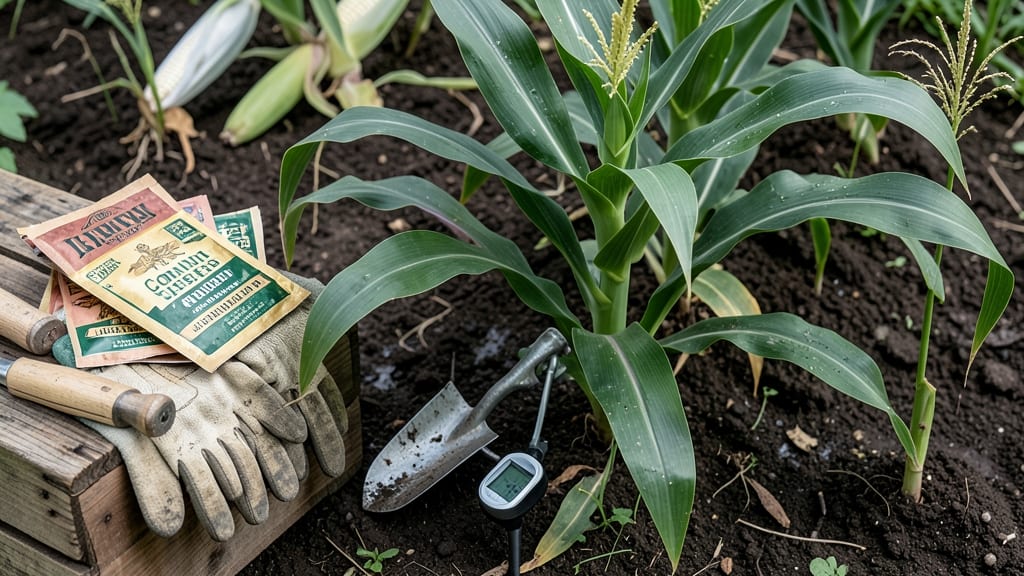
Planting a vegetable garden in Iowa at the right time means the difference between a bountiful harvest and a sad pile of frost-nipped seedlings.
Iowa’s unpredictable frost dates can turn your vegetable garden dreams into a guessing game—unless you plant at the perfect time for your zone. Get the exact frost-date cheat sheet to maximize yields and avoid wasted seeds.
Whether you’re in Zone 4a with its chilly springs or Zone 5b where summers stretch long, timing is everything. Cool-season crops like peas and spinach thrive when planted early, while tomatoes and peppers need warmer soil to take off.
Below, I’ll break down the ideal planting windows by zone, share tricks for adjusting to Iowa’s weather quirks, and even show you how to stretch your growing season for continuous harvests all summer long.
Iowa’s frost dates by USDA Zone: when to start planting cool vs warm season crops
Iowa spans USDA Zones 4a to 5b, meaning frost dates vary dramatically from north to south. In Zone 4a (northern Iowa), gardeners face mid-May last frosts, while Zone 5b (southern Iowa) typically sees frost-free conditions by early May.
These differences determine whether your spinach thrives or your tomatoes bolt before fruiting.
Cool-season crops like peas and lettuce need to be in the ground 4-6 weeks before last frost, while warm-season plants such as peppers and eggplants demand soil temperatures above 60°F—usually mid-May or later. Ignoring these timelines risks stunted growth or total crop loss.
Here’s your zone-specific planting cheat sheet to avoid common mistakes like overplanting too early or waiting too long for warm crops. The table below breaks down last frost dates, ideal planting windows, and crop-specific adjustments for Iowa’s most popular vegetables.
🌱
For Zone 4a gardeners, I recommend starting cool-season crops indoors in late February to give them a head start. In Zone 5b, you can push the envelope by planting spinach as early as mid-March under row covers, but always have backup seeds ready for late frosts.
Warm-season crops like tomatoes and peppers are trickier in colder zones. In Zone 4a, opt for fast-maturing varieties (e.g., 'Early Girl' tomatoes) and use black plastic mulch to warm soil faster.
In Zone 5b, you can afford slightly slower varieties but still need to harden off seedlings properly before transplanting.
Pro tip: Use a soil thermometer to confirm 60°F+ soil temps before planting warm-season crops. Cold soil delays germination and stresses young plants. I’ve lost entire pepper batches because I didn’t check—don’t make my mistake!
Succession planting is your secret weapon in Iowa’s short growing season. For example, plant bush beans every 2 weeks from late May through July to ensure a continuous harvest. Similarly, lettuce can be sown every 3 weeks from April until early August for fall harvests.
Remember that first frost dates (typically October 10-20) signal the end of the growing season. Use this time to plant cold-hardy crops like kale and radishes for late fall harvests.
In Zone 4a, you might only get 2 weeks of fall gardening, while Zone 5b gardeners can extend this to 6 weeks with proper planning.
🌿
How to adjust planting times for Iowa’s unpredictable weather patterns
Iowa’s unpredictable frost dates can throw off even the most experienced gardeners. One year, your last frost might arrive early, while the next, late spring freezes linger into May. The key to success?
Flexibility and preparation. I’ve learned to adjust planting times using three proven strategies: season extension tools, fast-maturing varieties, and a simple 7-day transplant rule that saves seedlings from shock.
Start by monitoring your local frost-free window. While the average last frost in Zone 4a is May 15, I’ve seen it shift by two weeks either way.
Use a frost calendar from your county extension office—these are updated annually—and pair it with a soil thermometer to confirm when the ground is truly ready for warm-season crops like tomatoes or peppers.
⚠️ callout-warning ⚠️
Iowa’s microclimates create big differences. A south-facing slope warms up faster than a low-lying area, which can stay cold for weeks. If your average last frost is May 15 but your yard stays chilly, plant heat-loving crops like cucumbers two weeks later—or risk stunted growth.
Pro Tip: Use frost cloth to push back the first frost by 2-4 weeks for early spring plantings. It’s my secret weapon for spinach and lettuce in Zone 4a!
For transplanting seedlings, follow the 7-day rule: Never move seedlings outdoors until they’ve had 7 full days of hardening off. This means gradually exposing them to wind and sun over a week, not just a weekend.
I once lost an entire batch of tomato plants because I rushed them—hardening off takes discipline, but it pays off with stronger roots and faster growth.
Choose fast-maturing varieties to hedge against delays. For example, ‘Early Girl’ tomatoes (55 days to harvest) are far less risky than heirlooms that take 80+ days.
In my garden, I pair these with succession planting: Every 10 days after the first planting, I add another round of radishes or bush beans to ensure a continuous harvest even if the weather turns cold.
Extend your growing season with low tunnels or cold frames. I use hoop houses covered in row cover fabric to protect fall crops like kale and carrots until November’s first frost.
This simple setup adds 4-6 extra weeks of harvest time—enough to enjoy homegrown veggies well into winter. Pair it with mulch to insulate soil, and you’ll be golden.
Finally, keep a planting journal to track what works each year. Note when you planted, how long it took to germinate, and any weather surprises. Over time, you’ll spot patterns—like how 2023’s late spring delayed my pepper harvest by three weeks—and adjust accordingly.
Gardening in Iowa isn’t about perfection; it’s about adapting and staying one step ahead of Mother Nature. 🌱