
Planting
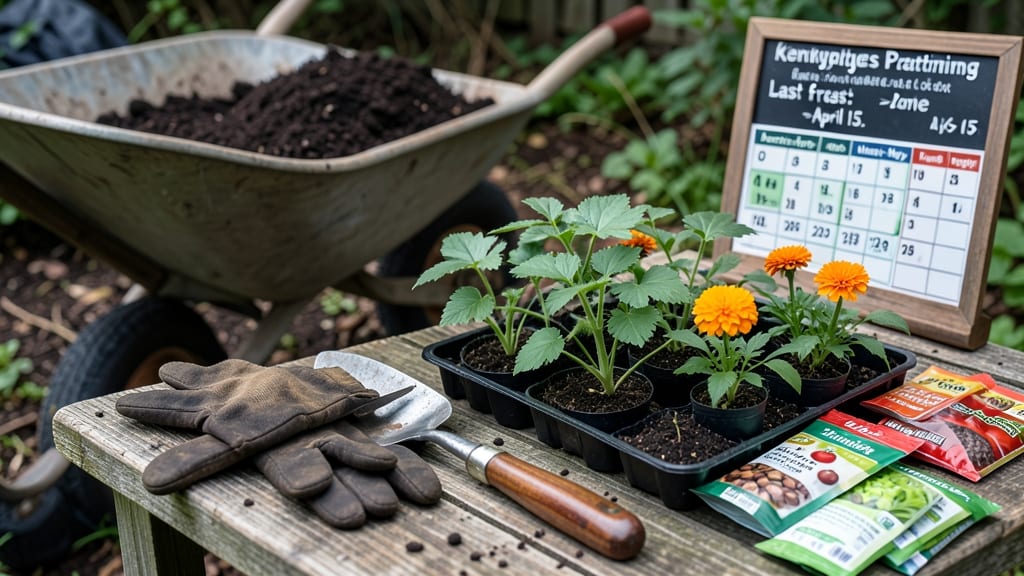
To plant a garden in Kentucky at the right time means starting cool-season crops like lettuce by late March and warm-season favorites like tomatoes after your last frost—usually mid-April in most zones.
Kentucky’s diverse climate—from the Bluegrass Region to the Appalachian foothills—means planting your garden at the wrong time can mean the difference between a bountiful harvest and a disappointing loss. Timing is everything, and these zone-specific start dates will help you maximize your garden’s potential.
You might be tempted to rush the season, but waiting for soil to warm to 60°F and air temperatures to stay above 50°F at night is the key to avoiding stunted growth or frost damage.
The right timing also depends on whether you’re growing leafy greens, root vegetables, or heat-loving plants like peppers.
Below, I’ll break down the exact weeks to plant by crop type, regional adjustments for Kentucky’s 6a-7a zones, and how to stretch your growing season with simple tricks. Let’s get those seeds in the ground at the perfect moment!
Kentucky planting zones: when to start cool vs warm season vegetables
Kentucky spans USDA hardiness zones 5b through 7a, creating microclimates where cool-season crops thrive in early spring and fall, while warm-season vegetables need warmer soil temperatures to germinate.
The average last frost date ranges from mid-April in northern zones to early April in southern regions, so timing is critical. Understanding these zone-specific planting windows ensures your garden avoids frost damage or stunted growth.
Cool-season vegetables like lettuce, spinach, and peas can handle light frosts and even grow well in 40-60°F soil temperatures. In contrast, tomatoes, peppers, and cucumbers require soil temperatures above 60°F to germinate properly. Kentucky’s humidity and variable weather add another layer of complexity, making precise timing essential for success.
Here’s how to align your planting with Kentucky’s USDA zones and frost-free dates, including adjustments for Appalachian highlands vs. Bluegrass Region differences:
For cool-season vegetables, start seeds 4-6 weeks before your average last frost date. In zone 5b, this means late February to early March for indoor starts, while zone 7a gardeners can begin in mid-February.
Direct-sow peas and spinach as soon as soil is workable (40°F), often 2-3 weeks before the last frost.
Warm-season crops like tomatoes and peppers should only go outdoors after soil temperatures exceed 60°F. Use a soil thermometer to confirm—Kentucky’s northern zones may not reach this until mid-May, while southern areas hit it by early April. Transplant seedlings when nighttime temps stay above 50°F consistently.
Adjust for microclimates: Urban areas like Louisville often warm 1-2 weeks earlier than rural Appalachia. Elevation also matters—mountain gardens in zone 5b should wait 10-14 days longer than valley gardens in zone 6a. Monitor local weather forecasts and use row covers to extend early-season planting.
Pro tip: Succession planting works wonders in Kentucky. Sow lettuce every 2 weeks from March to August for continuous harvests, and plant bush beans every 3 weeks from May to July. This overlapping strategy ensures your garden stays productive all season long.
If you’re new to Kentucky gardening, start with cold-hardy crops like kale, radishes, and carrots—they’re forgiving if planted slightly early. For warm-season peppers and eggplants, consider starter kits or local nurseries in early May to get a head start on the growing season.
Remember: Kentucky’s humidity can stress plants, so mulch heavily to retain moisture and water deeply in the morning to prevent fungal diseases. With these zone-specific timelines, you’ll avoid the most common planting pitfalls and enjoy a garden that thrives from spring to fall.
Top 5 mistakes Kentucky gardeners make with planting timing (and how to avoid them)
Even experienced Kentucky gardeners sometimes fall into common planting timing traps. One of the biggest mistakes is planting cool-season crops like spinach too late in spring or warm-season tomatoes before soil warms to 60°F. These errors can lead to stunted growth, poor yields, or even total crop failure.
Another frequent oversight is ignoring Kentucky’s humidity variations—especially in the Bluegrass Region versus Appalachian zones. What works in Lexington’s zone 6b might fail in Harlan’s zone 7a if you don’t adjust for local microclimates. Let’s dive into these mistakes and how to fix them.
🌱 Warning: Kentucky’s last frost dates vary by 10-14 days across regions!
Northern Kentucky (e.g., Paducah) often sees frost until mid-April, while Louisville and Lexington typically reach frost-free by late March. Always check local frost maps or use the 50°F nighttime temperature rule as your safe planting trigger.
Mistake #1: Planting warm-season crops before soil warms. Many gardeners rush to plant tomatoes or peppers in early April, only to see their seedlings rot in cold, wet soil. Wait until soil reaches 60°F—use a soil thermometer to check! In Kentucky, this usually means mid-to-late April for most zones.
Mistake #2: Ignoring humidity’s impact on planting. Kentucky’s high humidity can cause fungal diseases in crowded gardens. Space plants properly and avoid overhead watering. For example, cucumbers need 36-inch spacing to prevent powdery mildew, which thrives in our damp climate.
Mistake #3: Overlooking succession planting for fall crops. Many gardeners stop planting after summer, missing Kentucky’s second planting window in late July to early August. Try bush beans or kale—they thrive when planted now and harvest before frost.
Mistake #4: Planting perennials too early in spring. Early-blooming perennials like daylilies can get frost damage if planted before late April. Wait until soil is workable and nighttime temps stay above 50°F consistently.
Mistake #5: Skipping fall preparation for spring planting. Kentucky’s first frost often arrives in mid-October, but you can still plant garlic or hardy greens in September. Cover young plants with row fabric to extend your harvest window.