
Planting
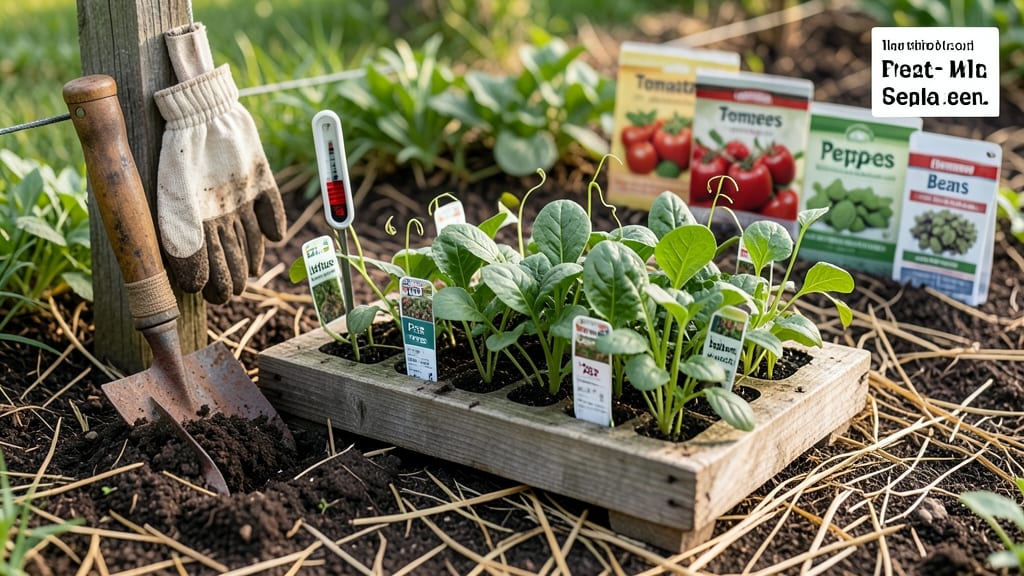
Planting a garden in Michigan at the right time means the difference between a bountiful harvest and a sad pile of frost-nipped seedlings.
Michigan’s unpredictable frost dates can turn a gardener’s excitement into frustration—planting too early risks frost damage, while waiting too long shortens your growing season. But with the right timing, you can maximize yields and avoid common mistakes that plague Midwest gardeners.
In zones 5b-6b, the ideal window for most General Garden Plants 🌱 runs from mid-April through May, with late-summer options for fall crops.
I’ll break down the exact frost-free timeline by crop type, so you know when to start seeds indoors and when to set those transplants in the ground.
You’ll also discover how to read soil temperatures, adjust for microclimates, and use Michigan-specific tools to avoid the five biggest planting mistakes—including the one that costs beginners their entire tomato crop.
Michigan frost dates by USDA Zone: when to plant cool vs warm-season crops
Michigan’s USDA zones 4-6 create a diverse planting landscape, where last frost dates can vary by 2-3 weeks between northern and southern regions. Understanding these zones helps you align your cool-season crops (like spinach and peas) with warm-season crops (like tomatoes and peppers) for a thriving garden.
For example, Zone 4 gardeners in the Upper Peninsula face later frost dates than those in Zone 6 near Detroit, meaning your planting window shifts dramatically.
Your soil temperature is just as critical as air temperature. Most warm-season crops need soil at 60°F+ to germinate, while cool-season crops can handle 40-50°F soil. Using a soil thermometer (just $10 at garden centers) prevents costly mistakes like planting too early.
For instance, in Zone 5, waiting until May 15 for tomatoes ensures roots establish before summer heat arrives.
Here’s how Michigan’s USDA zones break down for planting:
| USDA Zone | Last Frost Date | First Frost Date | Cool-Season Planting Window | Warm-Season Planting Window |
|---|---|---|---|---|
| Zone 4 (Upper Peninsula) | May 20–June 1 | September 20–October 1 | March 15–April 30 | June 15–July 15 |
| Zone 5 (Northern Lower Peninsula) | May 1–May 15 | September 15–October 10 | March 1–April 15 | May 15–June 30 |
| Zone 6 (Southern Lower Peninsula) | April 15–April 30 | October 10–November 1 | February 15–April 1 | April 30–June 15 |
For cool-season crops, like kale or radishes, start seeds indoors 4-6 weeks before your last frost date. In Zone 4, that means sowing by March 15, while Zone 6 gardeners can wait until February 15.
Transplant seedlings outdoors 2-3 weeks before the last frost to harden them off. For example, peas thrive when planted in cool soil (40°F), so don’t rush them—wait until March 15 in Zone 5.
Warm-season crops, such as tomatoes and peppers, require soil temperatures above 60°F. In Zone 4, this typically means waiting until June 15, while Zone 6 gardeners can plant as early as April 30.
Use black plastic mulch or row covers to warm soil faster if you’re eager to plant earlier. I’ve seen tomato plants in Zone 5 struggle when transplanted too soon—always check soil temp with a thermometer!
Herbs like basil and cilantro have unique needs. Basil hates frost and needs warm soil (70°F+), so wait until after May 15 in Zone 5. Meanwhile, cilantro bolts in heat, so plant it in early spring (March–April) or late summer (August) for a fall harvest.
Succession planting is key—sow basil seeds every 2 weeks from June to August to enjoy fresh leaves all season.
Microclimates add another layer of complexity. A south-facing slope warms up faster than a north-facing garden bed, potentially extending your warm-season planting window by 2-3 weeks.
If you’re unsure, observe your garden: dandelions blooming in March signal soil warmth, while frost on grass at dawn confirms cold nights. I’ve planted cucumbers in my sunny south bed by May 1 in Zone 5, while my north bed waits until May 15.
Fall planting is just as critical. Cool-season crops like broccoli and carrots can be sown 4-6 weeks before your first frost for a harvest before winter. In Zone 6, that’s August 15–September 15, while Zone 4 gardeners should aim for July 15–August 15
Best planting calendar for Michigan gardens: month-by-month guide by crop type
Michigan’s 165 frost-free days create a tight window for planting, but with the right strategy, you can grow cool-season crops in early spring and warm-season favorites all summer long. The key? Matching your planting schedule to soil temperatures and crop hardiness—not just calendar dates.
I’ll break down the best times for everything from spinach to tomatoes, plus how to stretch your harvest with succession planting.
For cool-season crops like peas and spinach, start seeds indoors in March or direct-sow as early as late April when soil reaches 40°F. These hardy plants thrive in cooler weather and can even handle light frosts.
Meanwhile, warm-season crops like tomatoes and peppers need to wait until after the last frost (usually mid-May) and soil temperatures of 60°F+ to avoid stunted growth. Perennials like asparagus and strawberries have their own timelines—plant them in early spring for roots to establish before summer heat.
- March-April: Start cool-season seeds indoors (lettuce, spinach, kale). Plant hardy perennials like asparagus crowns.
- Late April: Direct-sow peas, radishes, and spinach when soil is workable. Set out cold-hardy transplants like broccoli.
- Mid-May: Plant warm-season crops (tomatoes, peppers, cucumbers) after last frost. Begin succession planting for greens.
- June-July: Sow fall crops like carrots and beets. Transplant herbs (basil, cilantro) for summer harvests.
- August: Plant garlic for next year. Start cool-season seeds indoors for fall garden.
- September: Direct-sow spinach, kale, and peas for late fall harvest. Mulch perennials to protect roots.
Don’t let Michigan’s short growing season limit your harvests—succession planting is your secret weapon. For example, sow lettuce every 2 weeks from May through July to enjoy fresh greens all summer. The same goes for bush beans and radishes, which mature quickly and leave room for follow-up crops.
Even tomatoes can be extended by planting cherry varieties in late July for a fall harvest before frost.
Pro tip: Use row covers to push your planting window earlier in spring or later in fall. They protect young plants from light frosts while letting sunlight through. I’ve used them to add 2-3 extra weeks of growing time for peppers and eggplants, which otherwise struggle in Michigan’s climate.
Just remove covers when plants are established to avoid overheating.
For perennials, timing matters just as much. Asparagus crowns should go into the ground in early spring (March-April) so roots establish before summer heat. Strawberries planted in late spring (May) give them time to develop before winter dormancy.
And don’t forget to mulch heavily in fall to protect their roots during Michigan’s freezing winters.
By following this month-by-month guide, you’ll avoid the frustration of frost damage or wasted seeds and instead enjoy a garden that thrives from spring to fall. Start with the crops that fit your schedule, and soon you’ll be harvesting fresh produce straight from your Michigan garden! 🌱