
Planting
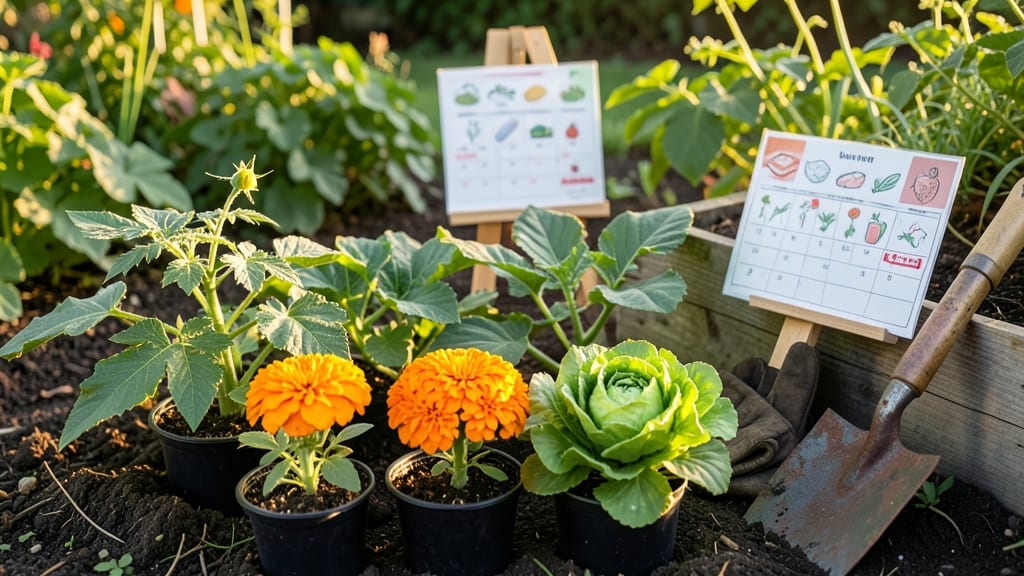
Planting a garden in Ohio after the last frost date—typically around mid-April—sets the stage for a bountiful harvest, but timing is everything when you’re racing against unpredictable spring weather.
Ohio’s 6a zone means gardeners here face a tight window between frost risks and scorching summer heat, and getting it wrong can mean wasted seeds or stunted growth. I’ve seen firsthand how a week too early can fry seedlings, while waiting too long shrinks the harvest window.
This guide breaks down the exact deadlines for starting seeds indoors, transplanting seedlings, and direct-sowing your favorite 🌱 Garden Vegetables, plus how to adjust for Ohio’s microclimates—whether you’re in Columbus, Cleveland, or rural Appalachia.
You’ll learn which crops thrive with early starts, which need the heat of summer, and how to stretch your season with simple tricks like row covers. Let’s get those seeds in the ground at the perfect moment.
Ohio planting zones: when to start seeds and transplant vegetables by region
Ohio spans USDA Plant Hardiness Zones 5b through 6b, meaning gardeners in northern counties like Ashtabula face earlier frosts than those in southern regions like Hamilton.
The average last frost date ranges from April 15 in Zone 5b to May 1 in Zone 6b, while the first frost typically arrives between October 15 and October 30. These variations mean your planting timeline could differ by weeks depending on where you live.
For cool-season crops like lettuce, spinach, and peas, I recommend starting seeds indoors 6-8 weeks before your last frost date. Transplant these seedlings outdoors 2-4 weeks before the average last frost, as they tolerate light frosts.
In Zone 5b, that means early April for direct sowing, while Zone 6b gardeners can wait until mid-April.
Warm-season crops like tomatoes, peppers, and cucumbers need soil temperatures above 60°F and no frost risk. I start these seeds indoors 8-10 weeks before transplanting, which for Ohio typically means early March for northern zones and late February for southern zones.
Transplant outdoors 2 weeks after your last frost date to ensure survival.
In Zone 5b, I prioritize fast-maturing varieties like bush beans (50 days) and radishes (25 days) to beat the short growing season. For Zone 6b, I can afford slightly longer seasons with heirloom tomatoes (80 days) or sweet corn (70 days).
Always check seed packets for days to maturity and calculate backward from your first frost date.
For transplants, I wait until 2 weeks after the last frost to harden off seedlings. This gives soil time to warm and reduces transplant shock.
In northern Ohio, that often means late May, while southern Ohio can start as early as mid-April for heat-loving crops like peppers and eggplants.
Ohio’s fall planting window is equally critical. I direct sow cool-season crops like kale and spinach in early August for a fall harvest. These plants thrive in cool weather and can handle light frosts.
For Zone 5b, I aim to harvest before October 15, while Zone 6b gardeners have until November 1.
Pro tip: Use row covers to extend your season by 2-3 weeks in spring or fall. These lightweight fabrics protect young plants from light frosts (28-32°F) while allowing sunlight and water to penetrate. I’ve successfully grown broccoli and cabbage under row covers well into November in Zone 6a.
Always monitor local weather forecasts and adjust your timeline if late frosts are predicted. The Ohio State University Extension provides county-specific frost date data—bookmark their garden bulletins for real-time updates. With these zone-specific guidelines, you’ll maximize yields and avoid the heartbreak of frost-damaged plants.
Remember: Soil temperature matters more than air temperature. Use a soil thermometer to confirm 50°F for cool crops and 60°F for warm crops before planting. This small step can mean the difference between thriving plants and failed harvests.
How to adjust planting dates for Ohio’s unpredictable weather patterns
Ohio’s unpredictable spring weather can leave even the most experienced gardeners scrambling. One year, frost hits in mid-April, while the next, warm spells arrive by March. The key to success? Flexibility and preparation.
I’ve learned to use historical frost data from Ohio State University Extension as my baseline, then adjust based on real-time conditions. This approach has saved my tomato seedlings from multiple late frosts over the years.
Start by checking your local frost-free date—not just the average. For example, in Zone 6a (most of Ohio), the average last frost is April 15, but I’ve seen it range from March 20 to May 1.
To stay ahead, I use the National Weather Service’s frost prediction tool and cross-reference it with my county’s 10-year frost history. This two-step verification gives me confidence to plan my warm-season crops like peppers and cucumbers with precision.
Input your ZIP code into tools like the Old Farmer’s Almanac or Almanac’s Frost Calculator to get a customized frost-free date. For Ohio, this often falls between April 15–May 1, but urban areas (like Columbus) tend to warm 1–2 weeks earlier than rural zones.
Row covers can push your planting window 3–4 weeks earlier or extend harvests into fall. For example, I plant spinach and lettuce under covers in early March, then remove them once soil warms.
In 2022, this strategy let me harvest kale until November 15—a full month later than my neighbors!
Opt for early-maturing varieties like ‘Early Girl’ tomatoes (50 days to harvest) or ‘Sugar Snap’ peas (60 days). These thrive even if planted 2 weeks late. Meanwhile, ‘Black Krim’ tomatoes and ‘Winterbor’ kale handle Ohio’s fall frosts beautifully, letting you harvest well into October.
Compare 2020’s late frost (April 28 in many areas) to 2022’s early spring (last frost March 25). If your area has a history of late frosts, delay planting warm-season crops until May 1.
For cool-season crops, use the 10-year average as your baseline but stay flexible—soil temperature matters more than calendar dates.
Use a soil thermometer to confirm when soil reaches 60°F for warm-season crops. In Ohio, this often aligns with late April–early May, but I’ve seen it vary by 2 weeks between years.
For cool-season crops, aim for 40–50°F soil, which can happen as early as March 15 in southern Ohio.
Pro tip: Keep a gardening journal to track your local patterns. Note when you planted, any frost events, and how crops performed. Over time, you’ll spot trends—like my 2023 observation that radishes mature 5 days faster when planted under row covers in early April.
This data becomes your personalized planting guide, far more reliable than generic charts.
Remember, Ohio’s microclimates mean your neighbor’s planting dates might not work for you. Urban areas stay warmer, while rural spots near lakes or valleys can have delayed springs. When in doubt, start small—plant a few extra seeds or seedlings to hedge your bets against Mother Nature’s surprises. 🌱