
Planting
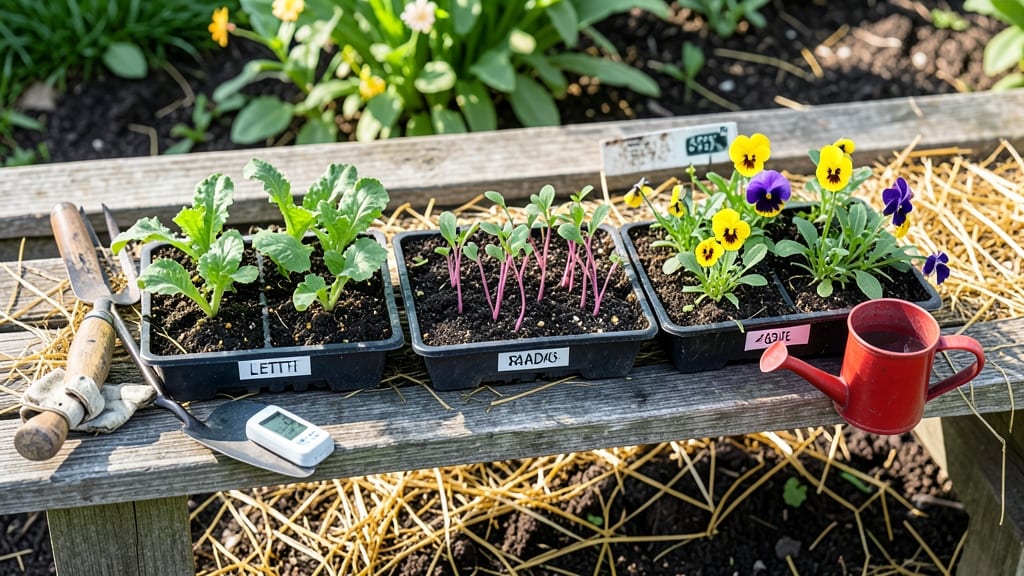
Planting a garden in South Carolina at the right time means the difference between a bountiful harvest and a wasted season—especially in Zones 7A and 8A, where frost dates can shift by weeks between coastal and inland areas.
You’ve probably heard that South Carolina’s mild winters make gardening easy, but timing is still everything. Skip the ideal window, and you might end up with stunted plants or pests moving in early.
The key? Knowing when to start seeds indoors, when to transplant, and how to adjust for your exact microclimate.
Whether you’re growing cool-season crops like lettuce or heat-loving tomatoes, the right planting schedule maximizes your growing season. In this guide, I’ll break down the exact dates for spring and fall planting, plus how to stretch your harvest with simple tricks like succession planting.
By the end, you’ll have a customized planting plan that accounts for your zone, soil prep, and even humidity—so you can finally stop guessing and start growing like a pro.
South Carolina planting calendar by zone 7A/8A: frost dates and ideal start times
South Carolina’s USDA Zones 7A and 8A offer gardeners a 200-240 frost-free days annually, but timing your plantings correctly is key to avoiding frost damage or stunted growth.
In Zone 7A (inland areas like Greenville), the average last frost date is around March 15, while Zone 8A (coastal areas like Charleston) typically sees its last frost by February 28. These dates shift slightly yearly, so always check local forecasts before planting.
For cool-season crops like lettuce, spinach, and kale, I start seeds indoors 6-8 weeks before the last frost—that means January 15-February 1 for Zone 7A and December 20-January 15 for Zone 8A. These heat-sensitive plants thrive in cooler temperatures and can even tolerate light frosts, making early planting essential for a spring harvest.
Warm-season crops like tomatoes, peppers, and cucumbers need to wait until after the last frost and when soil temperatures reach at least 60°F. In Zone 7A, this usually means April 15-May 1, while Zone 8A gardeners can plant as early as March 15-April 1.
For early varieties, I often use row covers to protect young plants from unexpected late frosts.
| Plant Type | Zone 7A Start Time | Zone 8A Start Time | Notes |
|---|---|---|---|
| Cool-Season Vegetables (Lettuce, Spinach, Kale) | Indoors: Jan 15-Feb 1 Outdoors: Mar 15-Apr 1 |
Indoors: Dec 20-Jan 15 Outdoors: Feb 28-Mar 15 |
Tolerates light frost; succession plant every 2 weeks |
| Warm-Season Vegetables (Tomatoes, Peppers, Cucumbers) | Outdoors: Apr 15-May 1 Indoors (early): Mar 1 |
Outdoors: Mar 15-Apr 1 Indoors (early): Feb 15 |
Soil must be 60°F+; use row covers for late frosts |
| Herbs (Basil, Cilantro, Dill) | Outdoors: Apr 15-May 1 Cilantro: Sep 15-Oct 1 |
Outdoors: Mar 15-Apr 1 Cilantro: Aug 15-Sep 15 |
Basil hates frost; cilantro bolts in heat |
| Flowers (Marigolds, Zinnias, Snapdragons) | Outdoors: Mar 15-Apr 1 Fall: Aug 15-Sep 1 |
Outdoors: Feb 28-Mar 15 Fall: Jul 15-Aug 1 |
Annuals thrive in warm weather; deadhead for longer blooms |
| Fall Crops (Broccoli, Carrots, Radishes) | Outdoors: Jul 15-Aug 15 | Outdoors: Jun 15-Jul 15 | Plant 8-10 weeks before first frost for harvest |
Don’t forget about succession planting—this is my secret to a continuous harvest! For fast-growing crops like radishes or bush beans, I plant new seeds every 2-3 weeks after the initial planting.
This keeps your garden productive long after the first harvest. For example, in Zone 7A, I’ll plant radishes in March, April, and May for a staggered harvest through June.
For perennials and shrubs, timing matters too! I plant bare-root plants in early spring (March-April) when soil is workable but not waterlogged. Container-grown perennials can go in slightly later, even up to May 1, as long as they’re established before summer heat sets in.
Mulching heavily after planting helps retain moisture and protect roots from temperature swings.
If you’re new to gardening in South Carolina, I recommend marking your last frost date on your calendar and planning backward.
For instance, if you want tomatoes by July 4th, you’ll need to plant them by May 1 in Zone 7A or April 15 in Zone 8A, accounting for a 90-day growth period. Use heat-tolerant varieties like ‘Celebrity’ tomatoes or ‘Jupiter’ peppers to handle SC’s summer humidity.
One common mistake I see is planting warm-season crops too early and then having them bolt or rot from cool soil. Always check soil temperature with a soil thermometer—warm-season plants need that 60°F threshold to thrive. If your
How to adjust planting times for coastal vs. Piedmont South Carolina climates
If you’ve ever planted lettuce in Greenville only to watch it bolt in the heat, or struggled with okra thriving in Charleston but failing inland, you’re not alone. The 10-15°F temperature difference between coastal Zone 8A and Piedmont Zone 7A creates wildly different growing conditions.
Coastal areas like Charleston enjoy earlier last frost dates (around March 1) and longer heat waves, while inland Greenville often sees frost until March 15 and cooler nights.
These microclimates mean your planting schedule must shift—sometimes by weeks—to match your location. For example, cool-season crops like spinach can go in the ground in Charleston by February 15, while Greenville gardeners should wait until March 1.
Meanwhile, heat-lovers like okra may need to wait until April 15 in Zone 7A but can start March 20 in Zone 8A without risking frost.
Here’s how to adjust your planting times based on your microclimate, plus which crops to prioritize for each region:
| Factor | Coastal Zone 8A (e.g., Charleston) | Piedmont Zone 7A (e.g., Greenville) |
|---|---|---|
| Last Spring Frost | March 1 | March 15 |
| First Fall Frost | November 10 | November 1 |
| Cool-Season Start (Lettuce, Spinach) | February 15 | March 1 |
| Warm-Season Start (Okra, Tomatoes) | March 20 | April 15 |
| Heat-Tolerant Varieties to Prioritize | Okra, Sweet Potatoes, Black-Eyed Peas | Peppers, Eggplant, Southern Peas |
| Key Adjustment Tip | Plant heat-lovers 2 weeks earlier | Wait 3 weeks longer for warm crops |
For coastal gardeners, focus on early spring plantings of heat-sensitive crops like cabbage or broccoli, then transition to okra and sweet potatoes by late March. The longer growing season means you can even squeeze in a fall crop of collards until November.
Meanwhile, Piedmont gardeners should start cool-season crops under row covers in February and delay warm-season planting until soil temperatures hit 65°F (usually mid-April).
Pro tip: Use soil thermometers to track when to plant warm-season crops—coastal soil often hits 60°F by March 15, while Piedmont may not reach it until April 1.
This small tool can save you from stunted plants or wasted seeds. For example, if your soil is below 55°F, even heat-loving tomatoes will struggle to germinate.
Don’t forget to account for humidity differences too. Coastal areas have higher humidity, which can lead to fungal diseases in crops like cucumbers, while Piedmont’s drier air may require more frequent watering for the same plants.
Adjust your mulching strategy: coastal gardens benefit from straw mulch to prevent fungal spread, while Piedmont might need black plastic mulch to retain moisture.
By tailoring your planting schedule to your microclimate, you’ll avoid the most common mistakes—like planting lettuce too late or okra too early—and maximize your harvest. Start with these adjustments, and soon you’ll be growing like a local, no matter where in South Carolina you live! 🌱