
Planting
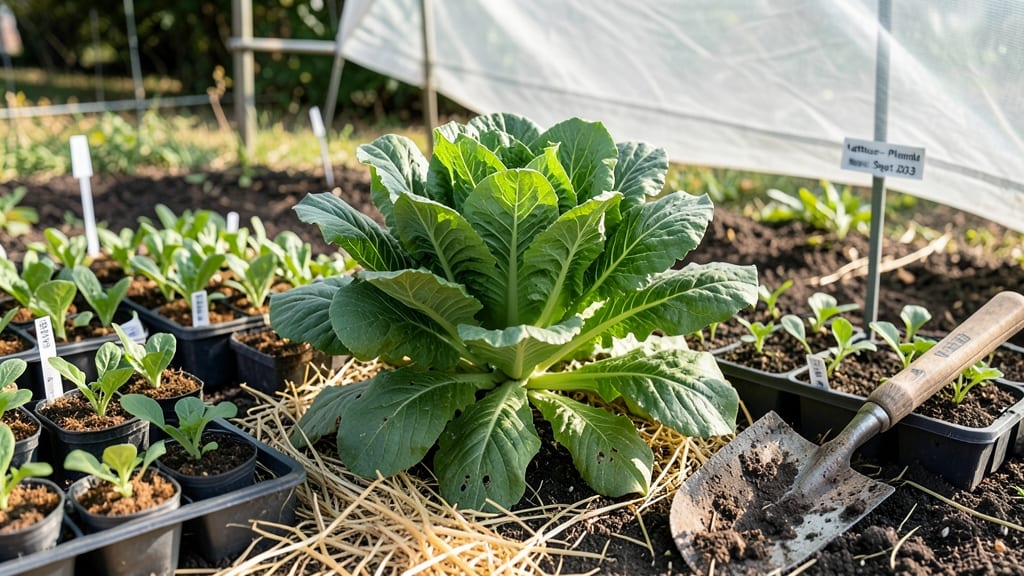
To plant a fall garden in South Texas, aim for mid-August through early October — when soil temps dip below 85°F and the brutal summer heat finally backs off.
South Texas gardeners know the struggle—scorching summers and unpredictable rains can make fall gardening a guessing game. But with the right timing and heat-tolerant crops, you can beat the heat and harvest a thriving 🌱 before winter hits.
This isn’t just about avoiding frost; it’s about catching the sweet spot between 90°F+ soil and the first chill. Plant too early, and your seedlings wilt; too late, and you miss the 6-8 week window before December’s first frost.
Below, I’ll break down the exact week-by-week schedule, the heat-tolerant crops that thrive here, and how to stretch your harvest well into November—no matter where you are in Zones 9a-10a.
Best heat-tolerant vegetables for South Texas fall planting (with exact heat Zones)
South Texas's 90°F+ temperatures in late summer can make gardening feel impossible—but it's actually the perfect time to plant heat-loving vegetables that thrive when most gardeners are packing up. These heat-tolerant crops won’t just survive; they’ll thrive in USDA Zones 8a-9b, giving you a bountiful harvest before winter arrives.
The key? Choosing varieties that love the heat and planting them at the right time to avoid soil temperature stress.
When most gardeners are dreaming of cool-season crops, okra, sweet potatoes, and cowpeas are just getting started. These fall garden staples don’t just tolerate heat—they crave it. Plant them too early, and you’ll risk bolting or poor germination from soil temps above 85°F.
But time it right, and you’ll have a productive garden well into November. Let’s dive into the top heat-tolerant vegetables for South Texas and their exact planting windows.
🌡️ Heat Zone Reality Check: South Texas’s USDA Zones 8a-9b mean your last frost date hovers around mid-December, giving you a longer growing season than most northern gardeners. But don’t let that fool you—soil temperatures can still spike into the 90s°F in August. The secret? Plant heat-loving crops after August 15th to avoid seedling stress while still giving them enough time to mature before cooler weather sets in.
| Vegetable | USDA Zone Range | Best Planting Window | Days to Harvest | Heat Tolerance | Sun Needs |
|---|---|---|---|---|---|
| Okra | 8a-11 | Mid-August - Early September | 50-60 days | Extreme (95°F+) | Full Sun (6-8 hrs) |
| Sweet Potatoes | 9a-11 | Late July - Mid-August | 90-120 days | Very High (85°F+) | Full Sun (8+ hrs) |
| Malabar Spinach | 8a-10a | Late August - Early September | 45-60 days | High (90°F+) | Partial Sun (4-6 hrs) |
| Cowpeas | 8a-10b | Mid-August - Late September | 60-75 days | Extreme (100°F+) | Full Sun (6-8 hrs) |
| Black-Eyed Peas | 7a-10a | Late August - Early October | 70-90 days | Very High (95°F+) | Full Sun (6-8 hrs) |
Okra is the superstar of South Texas heat—it doesn’t just tolerate the sun; it begins producing pods when temperatures hit 90°F+. Plant Clemson Spineless or Emerald varieties between
Week-by-week South Texas fall planting schedule (avoid these critical mistakes)
Timing is everything in South Texas fall gardening—plant too early, and your seedlings will fry in 90°F+ soil; too late, and you’ll miss the harvest window before December’s first frost. The key is starting when soil temps drop below 85°F (usually mid-August) and working through October.
Your 6-8 week window begins when daytime highs hover around 85-90°F but nighttime temps dip into the 60s. This is when heat-tolerant crops like okra, sweet potatoes, and cowpeas thrive without bolting or wilting.
Below, I’ll map out the exact weeks for soil prep, planting, and maintenance—plus the critical mistakes that derail South Texas gardens.
⚠️ CALLOUT-WARNING
- Wilting leaves that don’t recover after watering
- Yellowing edges (heat scorch) on new growth
- Stunted growth despite regular watering
- Soil temp >85°F (check with a soil thermometer)
FIX IT: Move seedlings to shade cloth (30-50% coverage) or delay planting until soil temps drop below 80°F. Water deeply at dawn to avoid evaporation.
Week 1-2 (Mid-August): Soil Prep & Heat-Tolerant Starts Start by testing your soil—South Texas clay holds heat like a furnace. Amend with 2-3 inches of compost and mulch with straw or wood chips to insulate roots.
Plant okra and sweet potatoes directly in the ground; these handle 90°F+ soil better than seedlings. Avoid transplanting tomatoes or peppers until late August.
Week 3-4 (Late August): Transplant & Succession Planting Now’s the time to move heat-tolerant seedlings like Malabar spinach and black-eyed peas. Space them 12-18 inches apart and water at the base (not overhead) to prevent fungal diseases. Succession plant bush beans every 2 weeks for a staggered harvest. 💧
Week 5-6 (Early September): Cool-Season Starters & Mulching Shift to cool-season crops like lettuce and kale, but use shade cloth if temps exceed 85°F. Apply 2-3 inches of mulch around all plants to lock in moisture. Fertilize with a balanced 5-10-10 mix to support root growth. ✂️
Week 7-8 (Mid-September): Final Plantings & Pest Watch Plant broccoli, cabbage, and carrots—these need 60+ days to mature before frost. Watch for aphids and whiteflies (common in South Texas heat) and treat with neem oil if needed. Reduce watering slightly as nights cool.
Week 9-10 (Late September-October): Harvest & Extend the Season By now, your okra and sweet potatoes should be ready. Use row covers to protect leafy greens from early frosts. Harvest regularly to encourage production—don’t let cabbage or broccoli bolt! 🌿