
Planting
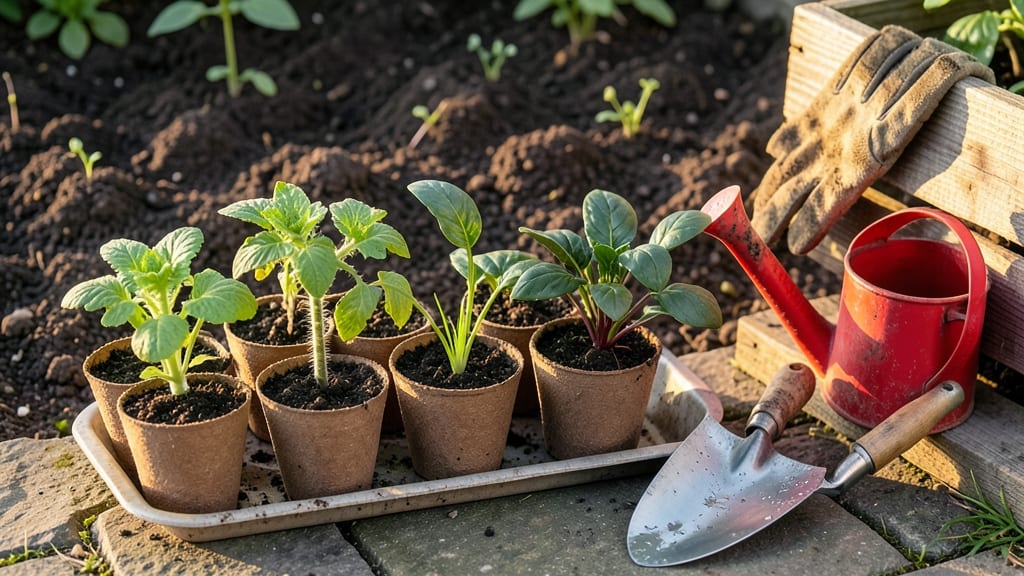
Planting a vegetable garden in California at the right time means the difference between a bountiful harvest and a sad, wilted mess.
California’s diverse microclimates—from coastal fog to desert heat—mean planting your vegetable garden at the wrong time can spell disaster. Get the exact start dates for your region to ensure a thriving harvest all year round.
Whether you’re in the chilly coastal hills of San Francisco or the sunbaked valleys of Bakersfield, timing is everything. Miss the window, and you’ll either freeze tender seedlings or watch them bolt in the heat.
Here’s how to pinpoint the perfect planting window for your zone, plus pro tips to stretch your growing season and avoid common mistakes that waste time and money.
California planting zones: microclimate-specific start dates by region
California’s diverse microclimates create unique challenges for gardeners. While the state spans USDA Zones 7-11, coastal fog, desert heat, and mountain chill mean one-size-fits-all planting dates don’t work.
I’ve broken down the best times to start your vegetable garden by region, so you can avoid frost damage and maximize harvests year-round.
Coastal areas like San Francisco and Santa Barbara experience mild winters with low frost risk, while the Central Valley (Sacramento, Fresno) has hot summers and cold winters.
Desert regions like Palm Springs can grow almost year-round, but mountain zones (Lake Tahoe, Mammoth) face early frosts. Let’s dive into the specifics for each zone.
For coastal regions, I recommend starting cool-season crops like lettuce and peas in late February. The Central Valley’s hot summers mean you’ll want to plant heat-loving tomatoes and peppers after the last frost in early March, then switch to fall crops like kale and carrots in August.
In desert areas, you can grow almost year-round, but focus on shade-loving plants like Swiss chard during peak summer heat. Mountain gardeners have the shortest season—plant fast-maturing varieties like bush beans and radishes in mid-May to avoid early frosts.
Pro tip: Use succession planting to extend harvests. For example, in the Central Valley, sow lettuce every 2 weeks from March to October. This ensures a continuous supply without gaps.
Always check your local frost-free dates—they can vary by 5-10 days even within the same city. For instance, San Francisco’s last frost might be December 15, but Santa Barbara’s could be January 10. Adjust your planting schedule accordingly.
If you’re new to California gardening, start small with easy-to-grow crops like bush beans, zucchini, and herbs. These thrive in most microclimates and give you confidence before tackling region-specific challenges.
Remember, soil temperature matters more than air temperature. Use a soil thermometer to confirm when it’s safe to plant—most vegetables need soil at at least 60°F for optimal germination.
🌱
Best vegetables to plant by season in California (with exact months)
California’s diverse climate zones mean your vegetable planting schedule should shift dramatically from coastal fog belts to desert valleys. While Southern California enjoys year-round growing, Northern California gardeners must time crops carefully around frost risks.
Let’s break down the best vegetables to plant by season, with exact months tailored to California’s microclimates.
For cool-season crops like broccoli and peas, aim to plant 4-6 weeks before your last frost date.
In Northern California, this typically means February-March for coastal areas, while Central Valley gardeners can start as early as January. Warm-season staples like tomatoes and peppers need soil temperatures above 60°F, so wait until April-May in most regions.
Here’s your seasonal planting calendar with exact months for California’s most productive vegetables, organized by climate zone:
For year-round options, focus on herbs like cilantro and parsley—they thrive in mild coastal climates but may need row covers in winter. Southern California gardeners can even grow winter squash in fall for harvests through December.
The key is succession planting: replace harvested crops with new seeds every 2-3 weeks to maintain production.
Pro tip: Use local frost dates from the USDA Plant Hardiness Zone Map (California ranges from Zone 7 to 11) to fine-tune your schedule. For example, Zone 9 (LA) can plant tomatoes in February, while Zone 7 (Sacramento) should wait until May.
Always amend soil with compost before planting to improve drainage and fertility.
Remember, California’s Mediterranean climate means summer drought stress is a real threat. Mulch heavily and water deeply (1-2 inches per week) to keep roots cool.
With these seasonal planting guidelines, you’ll enjoy a continuous harvest from early spring to late fall—no matter where you garden in the Golden State! 🌱