
Planting
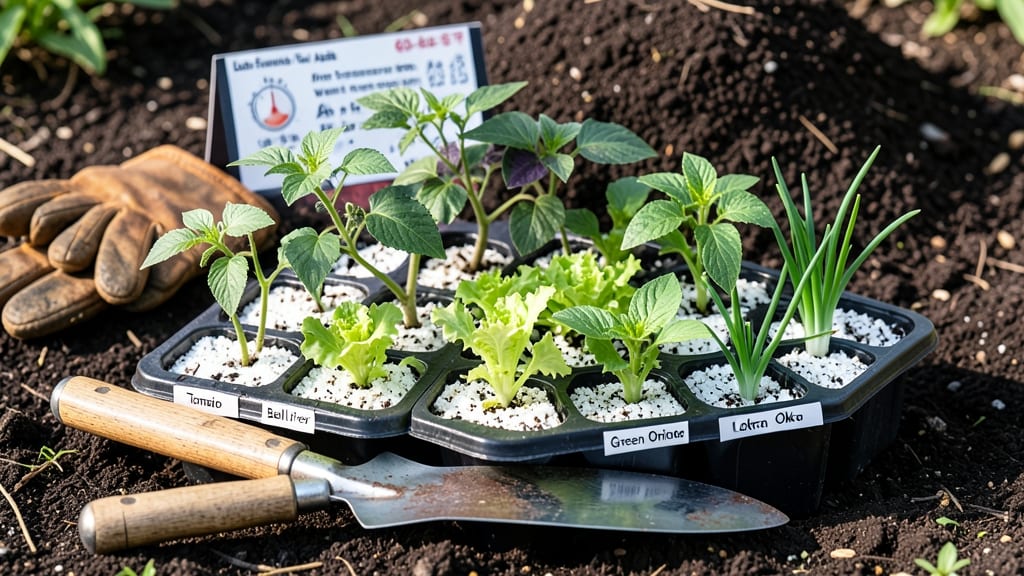
To plant a vegetable garden in Oklahoma, aim for March to May for cool-season crops and August to September for warm-season varieties—timing is everything to beat unpredictable weather and maximize your harvest.
Oklahoma’s 6b-8a zones mean frost can sneak in late, but with the right schedule, you’ll avoid wasted seeds and stunted plants. Whether you’re in the panhandle or the Ozark foothills, knowing your last frost date is the key to success.
Cool-season crops like lettuce and broccoli thrive when planted 4-6 weeks before your average last frost (usually mid-March), while tomatoes and peppers need to wait until 2-3 weeks after—around early April in most areas.
Below, I’ll break down the best planting windows by zone, share expert adjustments for Oklahoma’s microclimates, and give you a month-by-month checklist to keep your garden on track for a bountiful harvest.
Oklahoma planting zones: key dates for cool-season vs. warm-season vegetables
Oklahoma spans USDA Hardiness Zones 6b to 7b, where timing your vegetable garden can mean the difference between a bountiful harvest and lost plants.
The average last frost date ranges from March 1 (Zone 8a) to April 1 (Zone 6b), while the first frost arrives between November 1 (Zone 6b) and December 1 (Zone 8a). Understanding these zones helps you align planting with your local climate for success.
Cool-season vegetables like lettuce, broccoli, and spinach thrive in cooler temperatures (50-75°F) and should be planted 4-6 weeks before your last frost date. In contrast, warm-season crops such as tomatoes, peppers, and squash need soil temperatures above 60°F and should go in 2-3 weeks after the last frost.
Let’s break down the ideal planting windows for each zone and crop.
| Crop Type | Planting Window (Zone 6b) | Planting Window (Zone 7b) | Key Notes |
|---|---|---|---|
| Cool-Season: Lettuce | March 15 - April 15 | March 1 - April 1 | Direct sow or transplant. Use row covers for frost protection. |
| Cool-Season: Broccoli | March 1 - April 1 | February 28 - March 15 | Transplant seedlings. Harvest before bolting in heat. |
| Warm-Season: Tomatoes | April 15 - May 1 | April 1 - April 15 | Start indoors 6-8 weeks before transplanting. Use cages for support. |
| Warm-Season: Peppers | April 15 - May 1 | April 1 - April 15 | Transplant after soil warms. Mulch to retain moisture. |
| Warm-Season: Squash | April 15 - May 1 | April 1 - April 15 | Direct sow after last frost. Thin seedlings for space. |
| Fall Cool-Season: Kale | August 1 - August 15 | July 31 - August 15 | Transplant for late-season harvest. Tolerates light frost. |
For Zone 6b, where frost lingers longer, prioritize early spring planting of cool-season crops like spinach and peas as soon as soil is workable (around February 28).
In Zone 7b, you can start slightly earlier, but always monitor soil temperatures—cool-season crops struggle in soil above 60°F. Use a soil thermometer to confirm readiness.
Warm-season vegetables demand patience. In Zone 6b, wait until April 15 to plant tomatoes and peppers, while Zone 7b gardeners can start two weeks earlier.
If you’re eager to grow, consider starter plants from local nurseries, which mature faster than seeds. Just be sure to harden them off for 7-10 days before transplanting.
Oklahoma’s unpredictable spring weather can throw off even the best-laid plans. I always keep a row cover handy to protect tender seedlings from late frosts. For Zone 6b, have it ready until May 1, while Zone 7b may only need it until April 15.
This simple tool can extend your growing season by 2-3 weeks and save your investment.
Don’t overlook fall planting for a second harvest. In Zone 6b, sow cool-season crops like lettuce and radishes by August 15 for a harvest before the first frost. In Zone 7b, you can push it to September 1. This strategy maximizes your garden’s productivity and reduces waste.
If you’re new to Oklahoma gardening, start with heat-tolerant varieties of cool-season crops like ‘Black Seeded Simpson’ lettuce or ‘Winterbor’ kale. For warm-season crops, opt for ‘Celebrity’ tomatoes or ‘Jupiter’ peppers, which thrive in Oklahoma’s heat.
Always check seed packets for days to maturity to plan your harvest timeline.
Pro tip: Use mulch to regulate soil temperature and retain moisture. A 2-3 inch layer of straw or wood chips keeps roots cool in summer and warm in spring.
This is especially critical in Zone 7b, where summer heat can stress plants. Mulch also suppresses weeds, saving you hours of backbreaking work.
Finally, track your local frost dates using resources like the National Weather Service or Old Farmer’s Almanac. Oklahoma’s microclimates can vary dramatically—even within a city, urban areas may stay warmer
How to adjust planting times based on Oklahoma’s microclimates and soil conditions
Oklahoma’s diverse landscapes—from urban heat islands in Oklahoma City to rural clay soils in southwest regions—create unique growing challenges. These microclimates can shift planting windows by 2-4 weeks, while heavy clay or drought-prone areas demand extra prep.
I’ve learned to adjust my schedule based on these factors to avoid stunted growth or wasted seeds.
For example, urban gardens in Tulsa often experience 5-10°F warmer nights than rural areas, allowing early planting of warm-season crops like tomatoes. Meanwhile, western Oklahoma’s clay-heavy soils require amending with compost 4-6 weeks before planting to prevent poor drainage.
These adjustments aren’t just guesswork—they’re based on local extension data and my own trials.
Don’t rely on average frost dates! Urban areas (like Norman) can have later frosts due to heat retention, while rural zones (like Woodward) may see earlier heatwaves.
Use row covers to extend spring by 3-4 weeks or cold frames to start seeds 6 weeks earlier in Zone 6b areas.
Pro Tip: Monitor local weather stations (like OK Mesonet) for real-time adjustments—last year, my Okra bolted in June due to a sudden 100°F heatwave that wasn’t predicted.
If you’re in a drought-prone region (like western Oklahoma), prioritize deep-rooted crops such as sweet potatoes or okra, which tolerate dry spells better than lettuce.
I’ve seen tomato yields drop by 40% when planted without mulch in sandy soils—so always amend soil with compost or aged manure before seeding.
For urban gardeners, container planting can shorten growing seasons by 1-2 weeks due to faster soil warming. I use black plastic mulch under containers to raise soil temps by 5-8°F, letting me plant peppers 2 weeks earlier than ground planting.
Just ensure containers have drainage holes to avoid root rot in Oklahoma’s summer downpours.
Another trick? Succession planting with fast growers like radishes or bush beans can stretch your harvest window by 4-6 weeks.
In my Zone 7a garden, I direct-sow radishes every 2 weeks from March to September, ensuring a continuous supply even if early plantings fail due to unexpected hail or heat stress.
Finally, soil testing is non-negotiable. Oklahoma’s clay soils often test too alkaline (pH 7.5+), which locks out iron and phosphorus. I add sulfur or peat moss to lower pH for blueberries or strawberries, but for most veggies, a balanced 10-10-10 fertilizer at planting time works wonders.
Test your soil now—it’s the best way to future-proof your garden against Oklahoma’s quirks.