
Planting
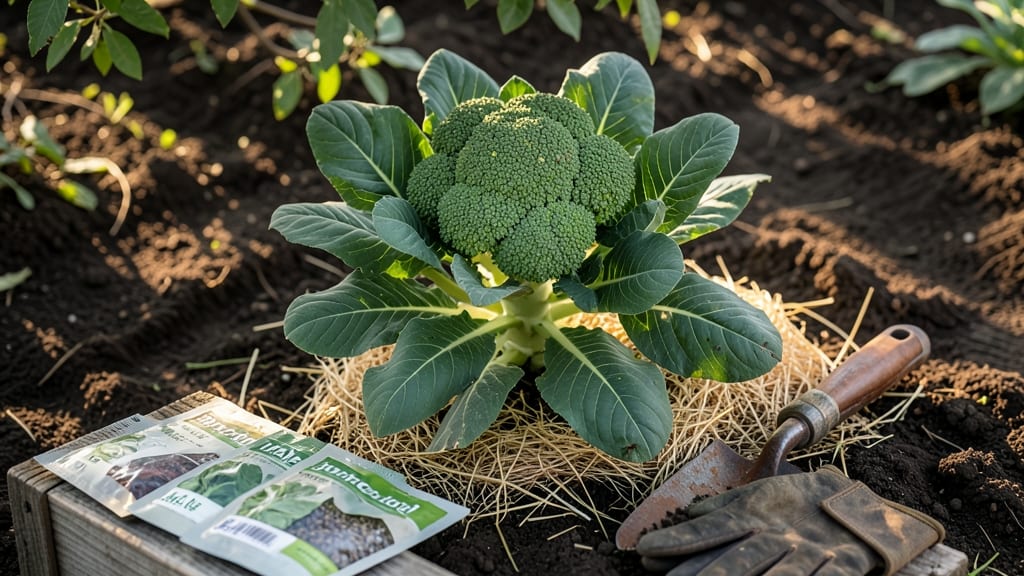
Planting a fall garden in North Carolina means timing your crops to thrive between the summer heat and first frost — and getting it wrong can mean wasted seeds or bolted greens.
You’ve probably heard that fall gardens are easy, but the truth is that a single week too early or late can make the difference between a bountiful harvest and a sad pile of withered plants. The key is knowing your zone’s exact frost dates and which crops to plant when.
In zones 7a-8b, the window for planting cool-season vegetables like kale, carrots, and spinach opens in late summer and closes by early October. Miss it, and you’ll either have leggy seedlings or frozen soil before your greens mature.
Below, I break down the perfect planting schedule for your NC zone, plus the best varieties to grow and how to stretch your harvest into winter with simple tricks like row covers and succession planting.
NC fall planting calendar: exact dates by plant hardiness Zone
North Carolina’s fall planting windows vary dramatically between Zone 7a (cooler mountains) and Zone 8b (warmer coast). In my Zone 7a garden, the first frost typically arrives by October 20th, while Zone 8b gardeners often enjoy harvests until November 15th.
Understanding these differences means the difference between a bountiful harvest and wasted seeds.
For cool-season crops like kale, broccoli, and spinach, timing is critical. Plant too early, and they’ll bolt from summer’s lingering heat. Too late, and frost will ruin your efforts.
My rule of thumb? Start 6-8 weeks before your average first frost date, adjusting for your specific zone. Below, I’ve broken down the exact planting windows for NC’s most common zones.
| Zone | First Frost Date | Last Planting Date | Ideal Planting Window | Key Crops |
|---|---|---|---|---|
| 7a | October 15-20 | August 20 - September 15 | Late August to Mid-Sept | Kale, Broccoli, Carrots, Spinach |
| 7b | October 20-25 | August 25 - September 20 | Late August to Early Sept | Lettuce, Radishes, Brussels Sprouts |
| 8a | November 1-5 | September 1 - September 25 | Early to Mid-Sept | Turnips, Collards, Green Onions |
| 8b | November 10-15 | September 10 - October 1 | Mid-Sept to Early Oct | Cabbage, Cauliflower, Peas |
In Zone 7a, I always start my cool-season crops by August 20th to ensure they mature before frost. For example, broccoli needs 70-80 days to harvest, so planting by September 1st in Zone 7a is cutting it close.
Meanwhile, Zone 8b gardeners can push their last plantings into early October for crops like cabbage and cauliflower.
One common mistake I see is planting leafy greens like spinach too late. These crops can tolerate light frosts but won’t survive heavy freezes. In my Zone 7b garden, I stop planting spinach after September 20th to avoid bolted, bitter leaves.
For root vegetables like carrots and beets, I extend plantings slightly later—up to September 30th in cooler zones—since they mature more slowly.
For succession planting, I recommend sowing every 2 weeks after your initial planting date. This ensures a continuous harvest rather than one big crop. For instance, in Zone 8a, I’ll plant radishes on September 1st, 15th, and 30th to enjoy fresh harvests all fall.
The key is to space your plantings so that each batch matures just before the next frost.
If you’re unsure about your last frost date, check your local Cooperative Extension Service or use a frost calendar like the one from the NC State Climate Office.
I also recommend marking your planting dates on a calendar with colored flags—it’s a simple trick that keeps me on track. For example, my red flags mark the last planting dates, while green flags indicate harvest windows.
Don’t forget to adjust for microclimates. A south-facing slope in your yard might stay warmer than the surrounding area, allowing you to plant 1-2 weeks later than the general guidelines.
Conversely, low-lying areas or northern exposures may frost earlier. I once extended my kale harvest by 3 weeks simply by moving it to a sunny, elevated bed.
For frost-sensitive crops like lettuce or radishes, consider using row covers or cold frames to push your harvests later into fall. In my Zone 7a garden, a lightweight row cover has let me harvest spinach
Best fall vegetables for NC gardens and their ideal planting times
North Carolina’s fall garden thrives when you plant the right crops at the right time. The key is selecting cold-hardy vegetables that can withstand light frosts while still maturing before the first hard freeze.
My top picks for NC gardens in zones 7a-8b include leafy greens, root vegetables, and brassicas—all of which deliver high yields and great flavor in cooler weather.
Timing is critical: plant too early, and your greens will bolt; too late, and frost will ruin your harvest. The best window for most fall crops is mid-August to early October, but some varieties—like kale and spinach—can handle even later plantings if protected.
Below, I’ve ranked the top 10 crops by frost tolerance and yield potential, plus whether to start them indoors or sow directly.
| Vegetable | Planting Method | Best Planting Time (NC Zones 7a-8b) | Days to Harvest | Frost Tolerance |
|---|---|---|---|---|
| Broccoli | Direct sow or transplant | Mid-August to early September | 50-70 days | Light frost (32°F) |
| Kale | Direct sow or transplant | Late August to mid-October | 45-60 days | Heavy frost (25°F) |
| Carrots | Direct sow only | Mid-August to early September | 60-80 days | Light frost (28°F) |
| Spinach | Direct sow or transplant | Late August to early October | 30-50 days | Moderate frost (20°F) |
| Lettuce | Direct sow or transplant | Mid-August to late September | 30-60 days | Light frost (28°F) |
| Radishes | Direct sow only | Late August to mid-October | 25-30 days | Heavy frost (15°F) |
| Turnips | Direct sow or transplant | Mid-August to early September | 40-60 days | Moderate frost (25°F) |
| Swiss Chard | Direct sow or transplant | Late August to mid-September | 50-60 days | Heavy frost (20°F) |
| Beets | Direct sow only | ★★★★★5.0(4 reviews) |