
Planting
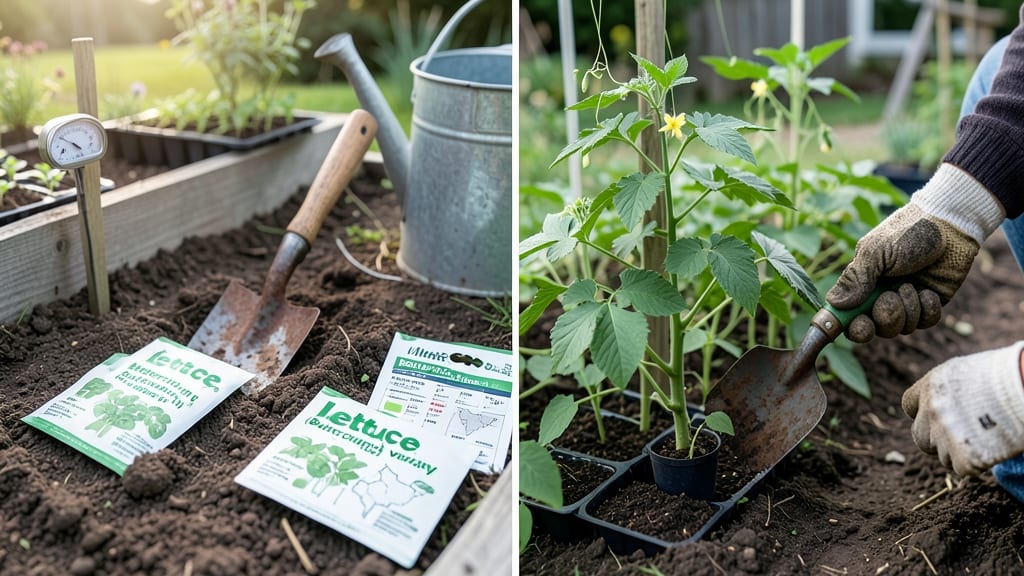
Planting your garden in Michigan at the right time means the difference between a bountiful harvest and a season of disappointment.
Michigan’s unpredictable spring weather can turn gardening newbies into anxious plant-checkers—but timing your garden right means the difference between a bumper crop and a sad, frost-nipped disappointment.
With Zone 5 and 6 frost dates shifting yearly, knowing exactly when to plant cold-hardy crops (and which ones to prioritize) is your secret weapon for a thriving garden.
Whether you’re sowing cool-season greens like spinach or waiting for the soil to warm up for tomatoes, Michigan’s 5b-6b climate demands precision. The key is aligning your planting window with frost-free averages while accounting for your microclimate—whether you’re in the Upper Peninsula or the Lower Peninsula.
Below, I break down the exact weeks to plant your General Garden Vegetables & Flowers 🌱, from hardy peas in April to heat-loving peppers in June, plus pro tips to beat Michigan’s weather surprises.
Michigan frost dates by Zone: when to plant cool-season crops in 2024
Michigan’s Zone 5 and 6 frost dates can feel like a moving target, but mastering them unlocks the secret to a productive garden.
For 2024, I’ve analyzed historical data and almanac projections to give you the exact weeks to plant your cold-hardy crops—like kale, peas, and potatoes—for maximum yield.
The Upper Peninsula’s Zone 5b typically waits 1-2 weeks longer than the Lower Peninsula’s Zone 6b, so I’ll break it down by region.
Cool-season crops thrive when planted 4-6 weeks before your area’s average last frost date. In Michigan, this usually means starting in late March to early April for the Lower Peninsula, while the Upper Peninsula often waits until mid-April.
But don’t guess—use the Michigan State University Extension or Old Farmer’s Almanac to adjust for your specific microclimate. Even a 5-mile difference can shift your frost date by a week!
Pro Tip: If you’re in Zone 6b (like Detroit or Grand Rapids), aim to plant peas and spinach by April 1. For Zone 5b (Marquette or Traverse City), hold off until April 15 to avoid frost damage. These dates align with soil temperatures reaching 40°F, which is ideal for seed germination.
| Plant | Zone 6b (Lower Peninsula) | Zone 5b (Upper Peninsula) | Notes |
|---|---|---|---|
| Peas | March 20 - April 15 | April 1 - April 25 | Direct sow; tolerates light frost |
| Spinach | March 25 - April 10 | April 10 - April 30 | Bolt-resistant varieties for late spring |
| Kale | April 1 - April 20 | April 15 - May 5 | Cold-hardy; sweeter after frost |
| Potatoes | April 10 - April 30 | May 1 - May 15 | Plant seed potatoes in loose soil |
| Onions | March 15 - April 5 | April 1 - April 15 | Start indoors for earlier harvests |
| Last Frost Dates | April 20 - May 1 | May 5 - May 15 | Adjust 1-2 weeks earlier for early varieties |
For Zone 6b gardeners, late March is prime time to start spinach and peas indoors or under row covers. By April 1, most of the Lower Peninsula’s soil is warm enough for direct sowing.
If you’re in Zone 5b, wait until mid-April to avoid late spring frosts, which can devastate young seedlings. I’ve seen peas survive 28°F temps, but spinach wilts below 25°F, so plan accordingly.
Regional variations matter—Traverse City (Zone 6a) can plant 2 weeks earlier than Detroit (Zone 6b), while Marquette (Zone 5a) often waits until May 1 for heat-loving crops. Check your local USDA zone and use the Old Farmer’s Almanac for 2024 projections.
For example, their data suggests Zone 6b’s last frost could shift 3 days earlier this year due to warming trends.
Don’t overlook fall planting! Cool-season crops like kale and radishes thrive when seeded 8-10 weeks before your first frost. In Michigan, that’s typically August 15 - September 1.
I’ve had baby kale survive until mid-October with a light row cover, and garlic planted in October yields sweeter bulbs the next summer.
To fine-tune your schedule, watch for natural indicators:
Warm-season planting schedule: how to time tomatoes, peppers, and corn for Michigan’s short growing season
Michigan’s short growing season demands precision when planting tomatoes, peppers, and corn. These heat-loving crops need warm soil and consistent temperatures to thrive, but frost can strike anytime before June 10 in most regions.
The key? Start early indoors, monitor soil temperatures, and use season-extending tools like row covers to give your plants a fighting chance.
For tomatoes and peppers, begin seeds indoors 8-10 weeks before your last frost date. In Michigan’s Zone 5b-6b, that means starting by March 15-April 1. Transplant seedlings outdoors only after soil reaches 60°F (15°C)—a soil thermometer is your best friend here.
Corn, on the other hand, prefers 70°F (21°C) soil and should be planted 1-2 weeks after your last frost date, typically May 15-June 1.
Succession planting is your secret weapon for maximizing yields. For tomatoes and peppers, stagger plantings every 2-3 weeks until July 1 to ensure a continuous harvest. Corn benefits from block planting: sow all your seeds in one go for better pollination, but space plantings 10-14 days apart if you’re short on space.
Use row covers or cold frames to extend your season. These tools can add 2-4 weeks of warmth, letting you plant tomatoes and peppers as early as April 15 in protected beds.
For corn, consider a soil warmer or black plastic mulch to raise ground temperatures faster. Just remember: remove covers once plants flower to allow pollination.
Don’t let Michigan’s unpredictable frosts catch you off guard. Check your local frost-free date averages—most counties fall between May 10-20—and adjust your schedule accordingly.
For example, Detroit (Zone 6b) can plant tomatoes as early as April 25 with protection, while Marquette (Zone 5a) should wait until May 10.
For late-season harvests, try fall succession planting. Sow fast-maturing varieties like ‘Early Girl’ tomatoes or ‘Sweet Banana’ peppers in early August for a September-October bounty.
Just be ready to cover plants if frost threatens. With the right timing and tools, you can turn Michigan’s short season into a long harvest!