
Planting
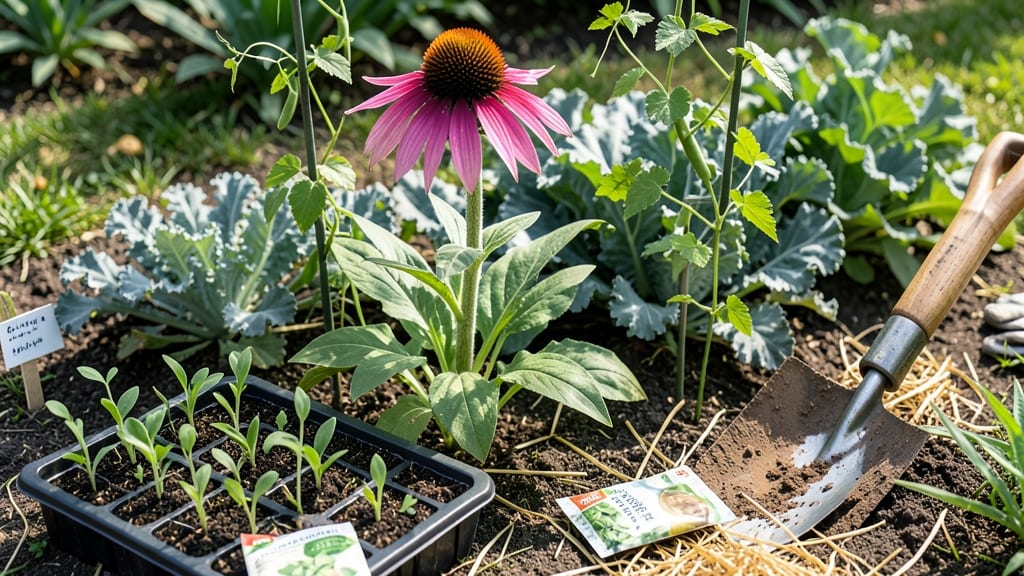
Planting your garden in Minnesota at the right time means the difference between a thriving harvest and frost-nipped disappointment.
Minnesota gardeners know timing is everything — plant too early, and frost will ruin your hard work; too late, and you’ll miss peak harvests. But with the right frost-free dates by zone, you can maximize your garden’s potential and avoid common mistakes that waste time and resources.
Whether you’re growing cool-season veggies like peas or warm-season favorites like tomatoes, knowing when to plant in your specific USDA Zone (3-5) is the key to success. The Twin Cities, Duluth, and Fargo all have different frost-free windows, and getting them wrong can mean lost crops or stunted growth.
In this guide, I’ll break down the best planting windows for every crop, share pro tips for extending your season, and help you avoid the most common timing mistakes Minnesota gardeners make. Ready to grow your best garden yet?
Minnesota frost-free dates by USDA hardiness Zone: when to plant vegetables for maximum yield
Minnesota's USDA Zones 3-5 create unique challenges for gardeners, where last frost dates can vary by 2-3 weeks across regions. Knowing your frost-free window ensures you plant cool-season crops at the right time and avoid frost damage to warm-season vegetables like tomatoes and peppers.
In Zone 3 (northern MN, including Duluth), the average last frost date is May 15-20, while Zone 5 (southern MN, like Rochester) typically sees its last frost around May 5-10.
The Twin Cities (Zone 4a) usually hits May 10-15, and Fargo (Zone 4b) aligns closer to May 5-10.
These variations mean gardeners in northern Minnesota must wait longer for warm-season crops, while southern gardeners can start earlier. Cool-season crops like lettuce and peas, however, thrive when planted 4-6 weeks before the last frost date.
Below is a region-specific planting guide for Minnesota’s most popular vegetables, organized by USDA Zone and frost-free date ranges. Use these as your planting timeline to maximize yields and avoid common mistakes.
| Region & Zone | Avg. Last Frost | Cool-Season Start | Warm-Season Plant | Key Crops |
|---|---|---|---|---|
| Duluth (Zone 3) | May 15-20 | April 1-15 | June 1-10 | Peas, spinach, kale, potatoes |
| Twin Cities (Zone 4a) | May 10-15 | March 25-April 10 | May 20-30 | Lettuce, carrots, tomatoes, peppers |
| Rochester (Zone 5) | May 5-10 | March 15-30 | May 10-20 | Radishes, broccoli, cucumbers, beans |
| Fargo (Zone 4b) | May 5-10 | April 1-15 | May 20-30 | Onions, cabbage, squash, corn |
For cool-season vegetables, start seeds indoors 4-6 weeks before your region’s last frost date. Peas and spinach can even handle light frosts, making them ideal for early spring planting in Zone 3.
When planting warm-season crops, wait until soil temperatures reach at least 60°F. In Zone 5, this often means waiting until late May, while Zone 3 gardeners may need to start with transplants or use row covers to extend the season.
Always check your local Almanac frost dates for the most accurate planting window, as microclimates can shift frost dates by 1-2 weeks. Urban areas like the Twin Cities may experience urban heat islands, allowing slightly earlier planting of heat-loving crops.
Pro tip: Use frost cloth or mini greenhouses to protect tender seedlings if planting early. This can push your warm-season planting window back by 2-3 weeks, giving you more time for tomatoes and peppers to mature before frost.
Remember, succession planting is key for continuous harvests. After harvesting early cool-season crops, replant with fast-maturing varieties like bush beans or radishes to keep your garden productive all season.
By aligning your planting schedule with these frost-free dates, you’ll avoid the frustration of frost-killed seedlings and ensure a bountiful harvest from your Minnesota garden. Happy planting! 🌱
How to adjust planting times for early spring vs. late summer crops in Minnesota
Minnesota’s short growing season demands flexibility—especially when balancing early spring and late summer crops. The key lies in strategic timing, season extension tools, and crop selection tailored to your zone’s frost dates.
Whether you’re planting cool-season greens in April or heat-loving tomatoes in August, small adjustments can mean the difference between a thriving garden and wasted effort.
For early spring, focus on hardy varieties like peas, spinach, and kale, which tolerate light frosts and thrive in cool soil. Meanwhile, late summer calls for fast-maturing crops such as bush beans, zucchini, or radishes that can harvest before frost.
Both scenarios require soil prep and seedling hardening to ensure success in Minnesota’s unpredictable climate.
-
1. Use Cover Crops
Plant clover or winter rye in fall to improve soil and suppress weeds—ready your beds for early spring planting by mid-April. -
2. Set Up Cold Frames
Extend spring harvests by 2-3 weeks with low-cost cold frames—ideal for lettuce, radishes, and herbs in Zone 4. -
3. Practice Succession Planting
Sow fast-growing crops like bush beans every 2 weeks from late June to early August for continuous harvests. -
4. Choose Heat-Tolerant Varieties
Opt for ‘Heatmaster’ tomatoes or ‘Malabar spinach’—both thrive in 90°F+ and extend late summer yields. -
5. Harden Seedlings Gradually
Move tender seedlings outdoors for 2 hours/day starting 2 weeks before last frost to prevent shock.
Start by preparing your soil 4-6 weeks before planting. For early spring, amend beds with compost and aged manure to warm the soil faster. In late summer, focus on mulching to retain moisture and cool roots during heatwaves.
A simple soil thermometer ($10 at garden centers) helps track optimal planting temps—aim for 45°F+ for cool crops and 60°F+ for warm-season plants.
For late summer crops, prioritize quick-maturing varieties with 60-day harvest times or less. Examples include ‘Early Girl’ tomatoes (55 days), ‘Cherry Belle’ radishes (25 days), and ‘Black Seeded Simpson’ lettuce (45 days).
These beat frost while still delivering flavorful yields. Pair them with succession planting—sow every 2 weeks from July to August for nonstop harvests.
Don’t overlook microclimates in Minnesota. South-facing slopes warm up 2-3 weeks earlier than low-lying areas, making them perfect for early spring planting. Conversely, northern exposures may need row covers or hoop houses to protect late summer crops from early frosts.
Keep a garden journal to track localized frost dates—your notes will refine timing year after year.
With these adjustments, you’ll maximize Minnesota’s growing season, reduce waste, and enjoy fresher harvests from spring to fall. Start small—test one new strategy this year, like succession planting or a cold frame, and build from there. Your garden’s productivity will thank you! 🌱