
Planting
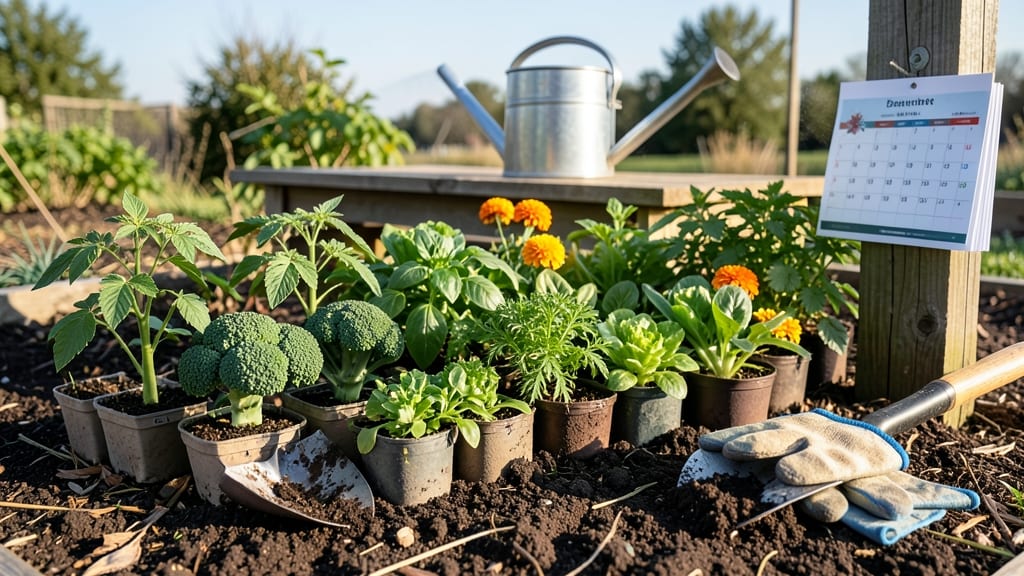
Planting your garden in North Carolina at the right time means the difference between a thriving harvest and a lost season—especially when you factor in the state’s varied climate from the coast to the mountains.
North Carolina’s diverse climate—from the cool mountains to the humid coast—means planting your garden at the wrong time can spell disaster for your crops. Timing is everything, and getting it right ensures lush harvests instead of wilted dreams.
If you’ve ever rushed to get seeds in the ground only to watch frost nip tender leaves or waited too long and missed the ideal window, you know how critical spring planting really is.
The key is understanding your USDA zone, tracking frost dates, and knowing which plants thrive in NC’s short but intense growing season.
Below, I’ll break down the exact months to plant everything from vegetables to flowers, regional tweaks for coastal vs. Piedmont zones, and pro tips to extend your harvest well into fall—so you can enjoy fresh produce without the guesswork.
North Carolina planting zones: what months work best for your location?
North Carolina spans seven USDA planting zones (5A through 8A), each with unique frost patterns and growing seasons. Whether you're in the cool mountain regions of Zone 5A or the humid coastal plains of Zone 8A, timing your plantings correctly makes all the difference.
The last spring frost and first fall frost are your garden's clock—get them wrong, and your tomatoes might turn to ice cubes!
For precise planting windows, use the NC State Extension's frost-free date calculator. This free tool accounts for local microclimates, giving you exact dates for starting seeds indoors, transplanting seedlings, and direct-sowing vegetables.
My Asheville garden (Zone 6B) has a last frost around April 15, while my friend in Wilmington (Zone 8A) can plant warm-season crops as early as February 15.
Below is your zone-by-zone planting guide, including ideal months for vegetables, flowers, and herbs. Remember: Cool-season crops like kale and peas thrive in early spring and fall, while warm-season lovers such as tomatoes and basil need soil temperatures above 60°F to flourish.
🌱
| USDA Zone | Last Frost Date | First Frost Date | Best Planting Windows | Key Crops |
|---|---|---|---|---|
| 5A (Mountains) | April 20-May 5 | October 15-November 1 | March-May (cool), June-August (warm) | Potatoes, cabbage, tomatoes, peppers |
| 6A (Piedmont) | April 1-April 15 | October 30-November 15 | February-April (cool), May-July (warm) | Broccoli, beans, cucumbers, squash |
| 6B (Central NC) | March 25-April 10 | November 1-November 15 | March-May (cool), June-August (warm) | Carrots, lettuce, peppers, eggplant |
| 7A (Southeast) | March 15-March 30 | November 15-December 1 | February-April (cool), April-July (warm) | Spinach, radishes, okra, sweet potatoes |
| 7B (Coastal) | February 28-March 15 | December 10-January 5 | January-April (cool), March-August (warm) | Collards, turnips, tomatoes, peppers |
| 8A (Coastal Plains) | February 15-March 1 | January 1-January 10 | January-April (cool), February-September (warm) | Peas, lettuce, melons, basil |
North Carolina’s diverse microclimates mean your coastal garden thrives on a different schedule than your mountain plots. The key to success? Planting at the right time for each vegetable type—whether it’s frost-hardy greens or heat-loving tomatoes. I’ve broken it down by month so you can align your planting with NC’s ideal growing windows and avoid common timing mistakes. For cool-season crops like broccoli and spinach, timing is critical—they bolt in summer heat. Meanwhile, warm-season favorites such as peppers and squash need soil temperatures above 60°F to germinate. Let’s dive into the month-by-month planting schedule that’ll keep your garden productive year-round. Don’t forget succession planting—this is the secret to a nonstop harvest. For example, sow bush beans every 2 weeks from May through July to keep picking fresh pods all summer. Similarly, lettuce planted in late July will mature just as summer heat fades, giving you crisp greens when other crops slow down. Pro tip: Use NC State Extension’s frost date calculator to pinpoint your local last frost dates. Coastal areas like Wilmington typically see 200+ frost-free days, while mountain zones like Asheville average 150 days. Adjust your planting schedule accordingly to avoid frost damage to tender crops. With this month-by-month guide, you’ll never miss a planting window again. Start with cool-season crops in early spring, transition to warm-season staples as temperatures rise, and end with fall/winter greens to keep your kitchen stocked year-round. Happy planting! 🌱Best vegetables to plant by season in NC: a month-by-month guide