
Planting
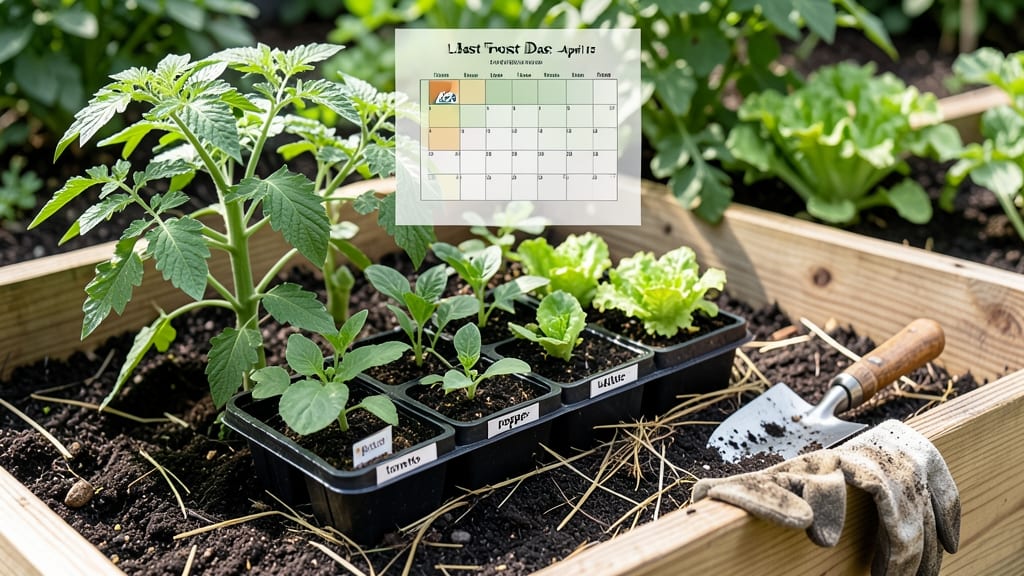
Planting your garden in Ohio at the right time means the difference between a bumper crop and a sad, stunted mess—so timing is everything.
Ohio’s unpredictable spring weather can turn your gardening dreams into a gamble unless you follow the exact planting deadlines for your specific zone. One late frost, and those tender seedlings you’ve nurtured for weeks could be history.
I’ve lost count of the times I’ve watched hard work wither overnight because I missed the window by just a few days.
Most Ohio gardeners in Zone 6a should start cool-season crops like lettuce and peas as early as mid-March, but wait until mid-April to mid-May for warm-season favorites like tomatoes and peppers—after the last average frost date of April 15.
The key is knowing when to plant each type of 🌱 General Garden Plants, whether you’re sowing seeds directly or transplanting starts.
Below, I break down the zone-specific planting calendar you need to avoid common mistakes, from frost dates to soil temperature tricks, so you can get your garden off to the fastest, most productive start.
Ohio planting zones explained: when to start seeds indoors vs. outdoors
Ohio spans USDA Plant Hardiness Zones 5b through 6b, meaning our growing seasons vary slightly from north to south. Understanding these zones helps you time your plantings perfectly—whether starting seeds indoors or sowing directly outside.
The key difference between Zone 5b (northern Ohio) and Zone 6b (southern Ohio) is just 2-3 weeks in frost-free growing time, but those extra weeks can mean the difference between a bountiful harvest and a struggling garden.
In Ohio, the last spring frost typically occurs between April 15 (Zone 5b) and May 1 (Zone 6b), while the first fall frost hits around October 15 (Zone 6b) to October 30 (Zone 5b).
These dates create your planting windows, but they’re just guidelines—always check your local NOAA frost forecast before committing to outdoor plantings. For example, tomatoes and peppers need a long, warm season, so you’ll need to start them indoors 6-8 weeks before your last frost.
Cool-season crops like lettuce, spinach, and peas thrive in Ohio’s early spring and fall, while warm-season crops such as beans, cucumbers, and squash demand warmer soil temperatures (60°F+). Direct-sowing these warm-season plants too early can stunt their growth or even kill them. Meanwhile, herbs like basil and flowers like marigolds need precise timing to avoid bolting or wilting in Ohio’s heat.
| Plant Type | Indoor Start (Weeks Before Last Frost) | Direct Sow (After Last Frost) | Zone 5b Deadline | Zone 6b Deadline |
|---|---|---|---|---|
| Tomatoes | 6-8 weeks | After May 15 | June 15 | July 1 |
| Peppers | 8-10 weeks | After May 20 | June 20 | July 5 |
| Lettuce (Cool-Season) | N/A | March 15-April 15 or Sept 1-Oct 15 | N/A | N/A |
| Beans | N/A | After May 10 | June 10 | June 25 |
| Cucumbers | 3-4 weeks | After May 10 | June 10 | June 20 |
| Spinach | N/A | March 15-April 15 or Aug 15-Sept 15 | N/A | N/A |
For Zone 5b gardeners (e.g., Cleveland, Toledo), aim to start tomatoes indoors by March 15 so they’re ready for transplanting after your May 1 last frost date.
In Zone 6b (e.g., Columbus, Cincinnati), you can push that timeline back to March 25 for a slightly later transplant. Peppers, which need even more warmth, should begin indoors by March 1 (Zone 5b) or March 15 (Zone 6b).
Direct-sowing warm-season crops like beans and cucumbers is simpler—just wait until the soil warms to 60°F
Month-by-month Ohio gardening calendar: what to plant each week
Ohio’s gardening season stretches from early spring to late fall, but timing is everything. Northern Ohio (like Cleveland) has a shorter window than southern Ohio (like Cincinnati), so I’ve tailored this calendar to help you sow, transplant, and harvest at the perfect moments.
Whether you’re growing cool-season greens or heat-loving tomatoes, these deadlines will keep your garden thriving.
Use this weekly guide to align your planting with Ohio’s average frost dates (last spring frost: April 15; first fall frost: October 15). Adjust for your microclimate—hills warm faster, low spots stay cooler.
For succession planting, repeat sowings every 2–3 weeks for continuous harvests of lettuce, beans, or radishes.
- February: Start cool-season seeds indoors (e.g., tomatoes, peppers). Test soil pH; amend with compost for spring planting.
- Mid-March: Plant hardy greens outdoors (spinach, kale) in protected beds. Transplant onion sets and potatoes.
- Late April: After last frost, sow direct-sown crops (beans, peas, carrots). Transplant tomato and pepper starts into well-warmed soil.
- May–June: Plant warm-season crops (squash, cucumbers, basil). Begin succession planting of lettuce and radishes every 2 weeks.
- July–August: Sow fall crops (kale, broccoli, carrots). Harvest summer veggies (tomatoes, peppers) before first frost.
- September–October: Plant garlic and cover crops (clover, winter rye). Extend season with row covers for greens.
For northern Ohio, delay warm-season crops by 1–2 weeks compared to southern Ohio. Use black plastic mulch to warm soil faster in cooler zones. In containers, start seeds 2–4 weeks earlier since they heat up quicker.
Don’t forget fall crops! Plant broccoli, cabbage, and Brussels sprouts in late summer for a winter harvest. These thrive in cool weather and can tolerate light frosts. Mulch heavily to protect roots and retain moisture during Ohio’s unpredictable autumn rains.
By following this month-by-month plan, you’ll avoid the common mistakes of planting too early (frost damage) or too late (missed harvests). Adjust based on local weather—check NOAA frost forecasts each year for precise timing. Happy planting!