
Planting
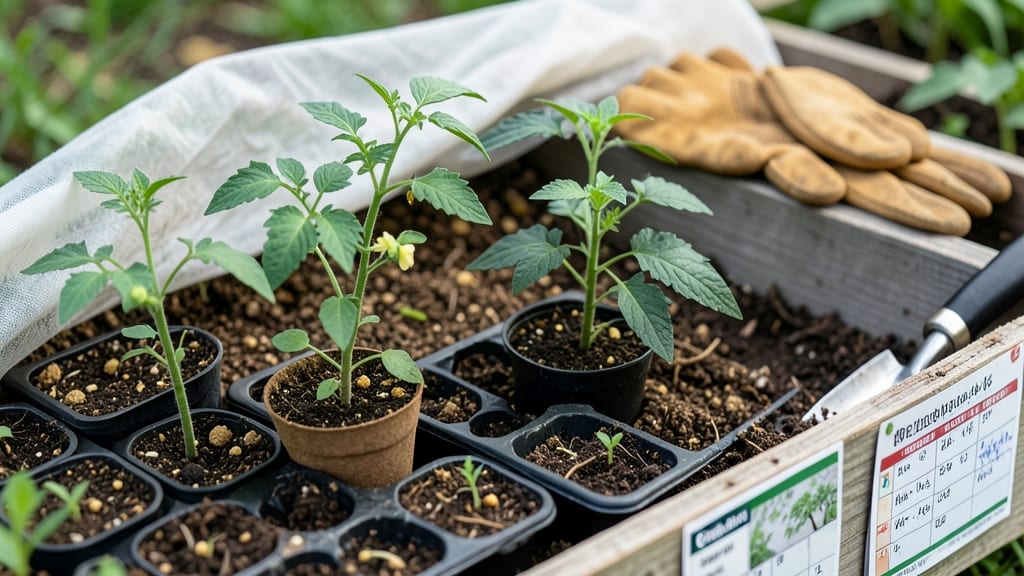
Planting a garden in Ohio at the right time means the difference between a bountiful harvest and a disappointing flop.
Ohio’s unpredictable spring weather can leave gardeners wondering: Is it too early to plant? Timing your garden starts by Ohio’s growing zones (5-7) ensures your tomatoes, peppers, and flowers thrive—not just survive.
Miss the window, and you’ll battle frost or stunted growth. Get it right, and you’ll enjoy a harvest that rivals your neighbors’ bragging rights.
In Zone 6a, where most of Ohio falls, the last frost date typically lands around mid-April. But that’s just the starting point—soil temperature and microclimates play a bigger role than you might think.
For example, cool-season crops like spinach and peas can go in as early as late March, while warm-season favorites like tomatoes need to wait until late May when the soil is consistently above 60°F.
Below, I’ll walk you through the exact planting schedule for Ohio’s most popular crops, how to adjust for late frosts, and the common mistakes that derail even the best-laid plans. Let’s get your garden off to the right start!
Ohio planting calendar by Zone: exact dates for vegetables, flowers, and herbs
Ohio’s growing zones 5-7 create unique planting windows that can confuse even experienced gardeners. The Ohio State University Extension tracks last spring frost dates that vary by 2-3 weeks across the state.
For example, Northern Ohio (Zone 5) typically sees its last frost around April 20-25, while Southern Ohio (Zone 6-7) can start planting 2 weeks earlier. Understanding these differences means the difference between lush tomatoes and frost-killed seedlings.
To simplify, I’ve broken down planting schedules by Ohio’s 3 main regions: Northern (Zone 5), Central (Zone 6), and Southern (Zone 7). Each region has specific start dates for cool-season crops like spinach and peas, as well as warm-season transplants like tomatoes and peppers.
The key is aligning your planting with soil temperatures—40°F+ for cool crops and 60°F+ for warm crops—not just air temperatures.
| Region/Zone | Last Spring Frost | Cool-Season Start (Direct Sow) | Warm-Season Transplant | Example Crops |
|---|---|---|---|---|
| Northern Ohio (Zone 5) | April 20-25 | March 15 - April 10 | May 1 - May 15 | Spinach, Peas, Lettuce, Kale |
| Central Ohio (Zone 6) | April 10-15 | March 1 - March 25 | April 25 - May 10 | Broccoli, Carrots, Tomatoes, Peppers |
| Southern Ohio (Zone 7) | March 25 - April 5 | February 20 - March 15 | April 15 - April 30 | Onions, Radishes, Basil, Cucumbers |
| All Regions | First Frost: Oct 15-30 | August (for fall crops) | N/A | Kale, Spinach, Radishes, Lettuce |
For cool-season crops, like spinach and peas, you can start seeds 4-6 weeks before your region’s last frost date. In Northern Ohio (Zone 5), that means March 15 for early varieties, while Southern Ohio (Zone 7) gardeners can begin as early as February 20.
These crops thrive in cooler temperatures and can even handle light frosts, making them ideal for Ohio’s unpredictable springs.
Warm-season crops—like tomatoes, peppers, and cucumbers—require warmer soil temperatures (at least 60°F) and should only be transplanted after your last frost date.
In Central Ohio (Zone 6), this typically falls between April 25 and May 10, while Northern Ohio (Zone 5) gardeners should wait until May 1-15. To speed up soil warming, use black plastic mulch or plant in south-facing beds that absorb more sunlight.
Ohio’s fall planting window is often overlooked but just as productive. After the first frost (October 15-30), you can still sow cool-season crops like kale, spinach, and radishes for a winter harvest.
These hardy plants can tolerate light frosts and even taste sweeter after exposure to cold temperatures. For example, baby spinach sown in late August can be harvested as early as October and continue producing until December in most of Ohio.
One of my biggest mistakes early on was planting tomato seedlings too soon in Northern Ohio. I assumed the air temperature was warm enough, but the soil stayed cold, leading to stunted growth. Since then, I’ve used a soil thermometer to confirm 60°F+ soil temps before transplanting.
For peppers, which need even warmer conditions (70°F+), I’ve started seeds indoors in March and transplanted them after Memorial Day in cooler zones.
Herbs like basil
How to adjust planting times for Ohio’s unpredictable weather patterns
Ohio’s late frosts and temperature swings can turn a perfect planting plan into a frost-killed disaster. I’ve learned the hard way—my first year planting tomatoes in early May ended with blackened leaves after a surprise frost in late May.
Since then, I’ve mastered a few tricks to extend growing seasons and protect tender plants, no matter what Mother Nature throws at us.
One of the biggest adjustments I make is using row covers and cold-hardy varieties.
For example, in Northern Ohio (Zone 5b), I plant sweet corn under row covers for an earlier start, while in Southern Ohio (Zone 6b), I can afford to wait until mid-May without risking frost damage.
The key is knowing your microclimate—urban areas often warm up faster than rural spots.
- Use a frost clock to track last frost dates—Ohio’s average ranges from April 15 (North) to April 22 (South), but late frosts happen yearly.
- Start cool-season crops early (spinach, peas) in March under row covers for a jumpstart, then remove covers after last frost.
- Warm soil faster by using black plastic mulch or cold frames—this lets you plant tomatoes and peppers 2-3 weeks earlier.
- Choose cold-tolerant varieties like 'Early Girl' tomatoes or 'Sugar Sprint' sweet corn—they handle 50°F soil temps better than standard types.
- Monitor forecasts and delay planting warm-season crops if a frost warning appears—wait until soil temps hit 60°F consistently.
- Plant succession crops like bush beans every 2 weeks from May to July to stretch harvests into fall.
Another game-changer? Succession planting. Instead of planting all your lettuce or radishes at once, I stagger seeds every 2 weeks. This ensures a continuous harvest and reduces the risk of losing everything to a single late frost.
For example, I plant radishes in March, April, and May—some mature before the heat of summer arrives.
For heat-loving plants like okra or sweet potatoes, I wait until after June 1 in Northern Ohio. These crops thrive in the longer daylight of summer and can’t handle early starts.
Meanwhile, in Southern Ohio, I plant squash and cucumbers by May 15 and use shade cloth to protect them from late spring heat waves.
If you’re unsure whether to plant early or wait, I recommend this risk-assessment guide: For cool-season crops, push the envelope with row covers. For warm-season crops, wait until the soil thermometer reads 60°F for 5 days in a row.
And always keep a backup plan—like having extra seedlings ready to transplant if early plants fail.
Ohio’s weather is unpredictable, but with these adjustments, you can outsmart frost and extend your growing season like a pro. Start small, keep notes on what works, and soon you’ll be the gardener your neighbors envy—harvesting tomatoes in September while others are still waiting for theirs to ripen. 🌱