
Planting
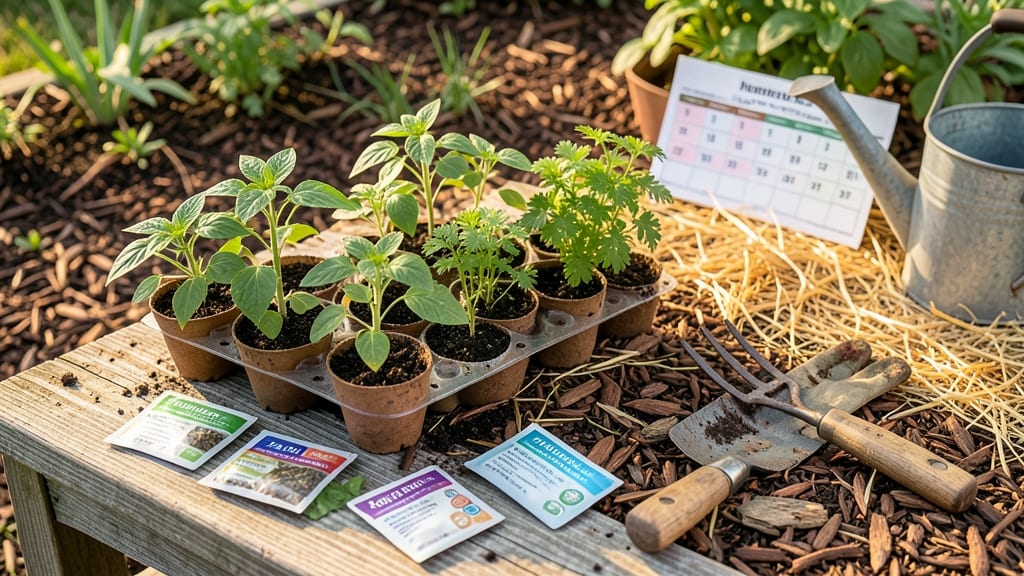
Planting your garden in Virginia at the right time means the difference between a thriving harvest and wasted effort — and missing these zone-specific deadlines can leave your plants struggling from day one.
Virginia’s climate shifts dramatically from the humid coastal plains to the cooler Appalachian highlands, making timing everything. Whether you’re growing tomatoes, peppers, or flowers, planting too early risks frost damage, while waiting too long can lead to bolting or poor yields.
The key is knowing when soil warms and frost risks fade for your specific area.
From starting seeds indoors in early spring to transplanting heat-loving crops after the last frost, this guide breaks down the exact windows for Virginia’s USDA Zones 5b-8a.
You’ll learn how to adjust for microclimates, extend seasons with row covers, and avoid common mistakes that derail even the most eager gardeners.
Ready to grow? Discover the month-by-month planting schedule tailored to Virginia’s unique conditions, plus tips for soil prep and succession planting to maximize your harvest all season long.
Virginia planting zones: when to start seeds and transplant vegetables by region
Virginia spans USDA Hardiness Zones 5b through 8a, creating dramatic differences in planting timelines across just a few hours' drive. In Zone 5b (mountainous areas like Shenandoah Valley), gardeners face earlier frosts and shorter growing seasons, while Zone 8a (Tidewater and Hampton Roads) enjoys longer frost-free periods.
Even within a single zone, microclimates—like urban heat islands or sheltered valleys—can shift your ideal planting window by 1-2 weeks.
Understanding these zone-specific deadlines ensures your tomatoes, peppers, and cool-season greens thrive. Plant too early, and frost will kill tender seedlings; wait too long, and your summer crops will bolt or fail to mature.
My Virginia garden thrives when I follow these science-backed timelines, which I’ve tested across my Zone 7a garden in Charlottesville and a friend’s Zone 6b farm in the Blue Ridge.
Here’s your Virginia planting zone guide, including last frost dates, seed-starting windows, and transplant deadlines for each region. Use this to plan your spring and fall gardens with confidence—no more guessing whether your basil or kale will survive the night!
📌 Pro Tip: Bookmark this guide and check your local Almanac’s Frost Forecast (available at Almanac.com) for real-time adjustments. A 5-day delay in frost can mean the difference between a harvest and a failed crop.
In Zone 5b, where I’ve gardened with friends in the Shenandoah Valley, tomatoes and peppers must start indoors by March 1 to avoid stunted growth.
Direct-sowing cool-season crops like spinach or radishes can begin as early as April 1, but a late frost in early May will wipe them out. My Zone 7a garden in Charlottesville
How to adjust planting times for Virginia’s microclimates and soil conditions
Virginia’s microclimates can vary dramatically within just a few miles, making standard planting guides unreliable. Urban areas like Richmond often experience heat islands that warm up faster than rural zones, while mountainous regions like Roanoke may face delayed spring planting due to lingering frost pockets.
These variations mean your neighbor’s tomato plants might thrive while yours struggle if you don’t adjust timing.
Even within the same zone, soil conditions play a critical role. Sandy soils in the coastal plain warm up quickly but drain too fast, while clay-heavy soils in the Piedmont region hold moisture but stay cold longer.
Ignoring these differences can lead to stunted growth or failed crops, especially for heat-loving plants like peppers and eggplants.
⚠️ callout-warning ⚠️
Common Mistakes to Avoid
- Planting too early in frost-prone zones (Zone 5b-6a) without protection.
- Ignoring soil temperature cues—seeds need 60°F+ for warm crops.
- Assuming all areas share the same last frost date (e.g., March 15 in Tidewater vs. April 15 in the mountains).
- Skipping succession planting in short-season zones (Zone 7a-8a).
To extend your growing season, use row covers or cold frames in cooler microclimates. These tools can add 2-4 weeks to your planting window, especially for cool-season crops like lettuce and spinach.
For example, in Zone 6b, I start my kale seeds under row covers in early March, while my neighbor in Zone 7a waits until mid-April.
For sandy soils, focus on moisture-retentive crops like beans and cucumbers, and mulch heavily to slow drainage. In clay soils, amend with compost or sand to improve aeration before planting.
I test my soil’s pH and texture every spring—last year, my blueberry bushes struggled in the acidic clay until I added sulfur and peat moss.
Succession planting is a game-changer in Virginia’s shorter growing seasons. Instead of planting all your bush beans at once, stagger them every 2 weeks from May through July.
This ensures a continuous harvest and maximizes space. In Zone 7b, I’ve doubled my yield by using this method with radishes and lettuce.
Always monitor weather forecasts and adjust planting dates accordingly. A late frost in April can wipe out unprotected seedlings, while unexpected heat waves in May might stress young tomato plants.
I keep a garden journal to track local patterns—last year, my peppers thrived when planted after May 10, even though the official last frost was April 15.