
Plants
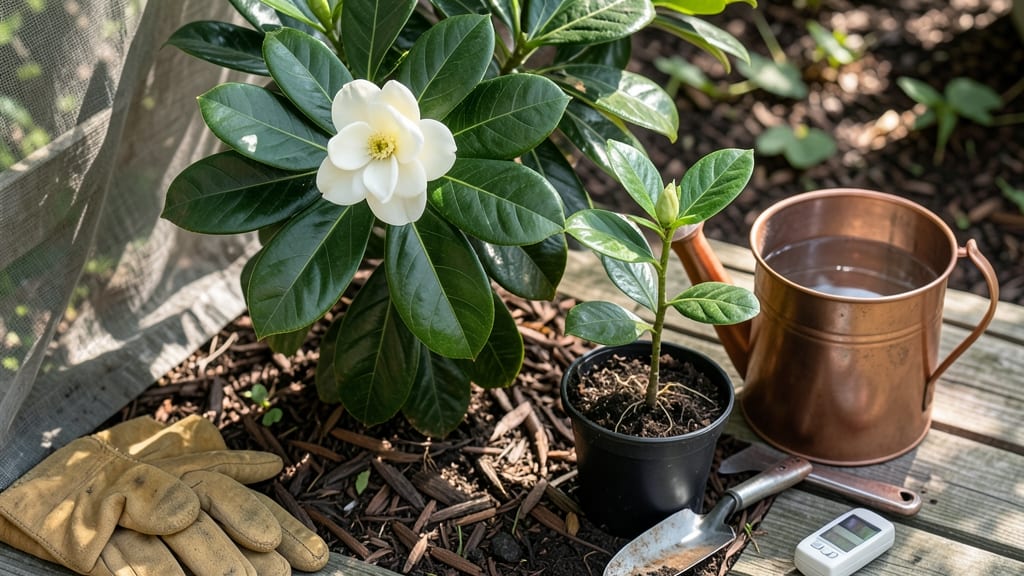
To plant gardenias in Georgia after your last frost date — typically late March to early April — is the key to avoiding frost damage and ensuring strong root growth before summer’s heat arrives.
Picture this: you’ve waited months for your fragrant 🌸 gardenias to bloom, only to watch them wilt overnight when a surprise frost hits. Georgia’s 7b-8b zones give you a narrow window, but getting it right means years of lush, perfumed blooms instead of lost investments.
Timing isn’t just about the calendar—it’s about soil warmth, humidity levels, and even your local microclimate. Coastal Georgia’s milder winters might let you plant a week earlier than Piedmont’s chillier nights, and container gardenias need extra care to avoid transplant shock in Georgia’s intense summer sun.
In this guide, I’ll break down the exact frost-free planting schedule by region, soil prep secrets to mimic their native tropical conditions, and how to spot the three red flags that mean your gardenias are struggling before it’s too late.
Ideal Georgia planting windows for gardenias by region
Georgia’s three distinct regions—North (Zone 7a), Central (Zone 8a), and South (Zone 8b)—each have unique frost-free windows for planting gardenias. Timing matters because these tropical shrubs hate frost and need 6-8 weeks of warm soil to establish roots before summer heat arrives.
Planting too early risks frost damage, while late planting may leave them vulnerable to summer stress.
For North Georgia (Zone 7a), where frosts linger until mid-April, aim to plant gardenias between April 15 and May 15. This window ensures roots establish before summer’s intense heat.
In Central Georgia (Zone 8a), you can start as early as late March, but hold off until after March 31 to avoid late frosts. South Georgia (Zone 8b) gardeners have the longest window, from March 1 to April 15, thanks to milder winters.
Here’s why late spring/early summer is critical: Gardenias need time to develop a strong root system before Georgia’s 90°F+ summers arrive. Roots established by June 1 give your shrubs the best chance to thrive. Container-grown gardenias adapt slightly better to later planting but still benefit from early starts.
🌸
If you’re planting gardenias in containers, you have more flexibility but still need to act quickly. Container-grown plants dry out faster and struggle in Georgia’s heat, so upgrade to 10+ gallon pots by summer.
For in-ground planting, amend soil with peat moss or pine bark to lower pH to 5.0–6.0, which gardenias crave.
One common mistake is planting gardenias in early March in North Georgia, thinking it’s safe. But late frosts in Zone 7a can still hit—even as late as April 1.
Always check your local frost date averages (like those from the Georgia Weather Network) and wait until 2 weeks after the last frost warning.
For South Georgia growers, the March 1–April 15 window aligns perfectly with the region’s warmer microclimates. However, coastal areas near Savannah or Brunswick can plant even earlier (as early as February 15) if you’re using black plastic mulch to protect roots from light frosts.
Remember: Gardenias hate transplant shock. Water deeply the day of planting and mulch heavily to retain moisture. In Zone 8a and 8b, you can even plant gardenias in early summer (June) if you’re replacing existing shrubs, but expect slower blooming that year as roots adjust.
🌿
How to prepare gardenias for Georgia’s heat and humidity
Georgia’s summer heat and humidity can turn your gardenias from fragrant stars into wilting disappointments if you don’t prep properly. These tropical beauties thrive when you mimic their native environment—acidic soil, consistent moisture, and protection from scorching sun.
The key is starting strong with soil amendments and smart watering before the real heat hits.
I’ve learned the hard way that gardenias hate soggy roots or bone-dry soil—both lead to leaf drop and bloom failure. The secret? A 3-inch layer of mulch to lock in moisture and a slow-release fertilizer to fuel growth without burning tender roots.
Let’s break down the exact steps to set your gardenias up for success in Georgia’s brutal summers.
🌱 Gardenias Pre-Planting Checklist
- 🌡️ Soil pH Test: Aim for 5.0-6.0 (use sulfur or peat moss if needed)
- 🪴 Soil Mix: 50% native soil + 50% acid-loving compost
- 💧 Watering Prep: Soak roots 1 hour before transplanting
- ☀️ Sun Protection: Use shade cloth (30-50%) for first 2 weeks
- ✂️ Pruning: Trim dead branches but leave healthy buds
First, amend your soil with pine bark fines or cottonseed meal—these lower pH naturally and provide nutrients. Gardenias despise alkaline soil, so test your beds before planting. If your soil reads above 6.5, mix in sphagnum peat moss to bring it down.
I once planted mine in regular garden soil, and within weeks, the leaves turned yellow—classic chlorosis from poor pH.
Next, focus on mulching. Use 3-4 inches of pine straw or cypress mulch to keep roots cool and moisture levels steady. Avoid dark mulches like bark chips—they heat up and can scorch tender roots.
Water deeply 2-3 times per week during Georgia’s peak summer, always in the early morning to prevent fungal diseases like powdery mildew.
Pruning is another critical step. Before planting, trim any dead or crossing branches to encourage airflow. After planting, wait until late spring to prune for blooms—never cut back into old wood, as gardenias bloom on new growth.
I prune mine in February to shape them before the growing season kicks off.
Finally, don’t forget to stake young plants if Georgia’s summer storms are fierce. A simple bamboo stake tied with soft twine prevents wind damage. With these prep steps, your gardenias will survive—and thrive—through Georgia’s heat, rewarding you with sweet, creamy blooms from summer to fall.