
Planting
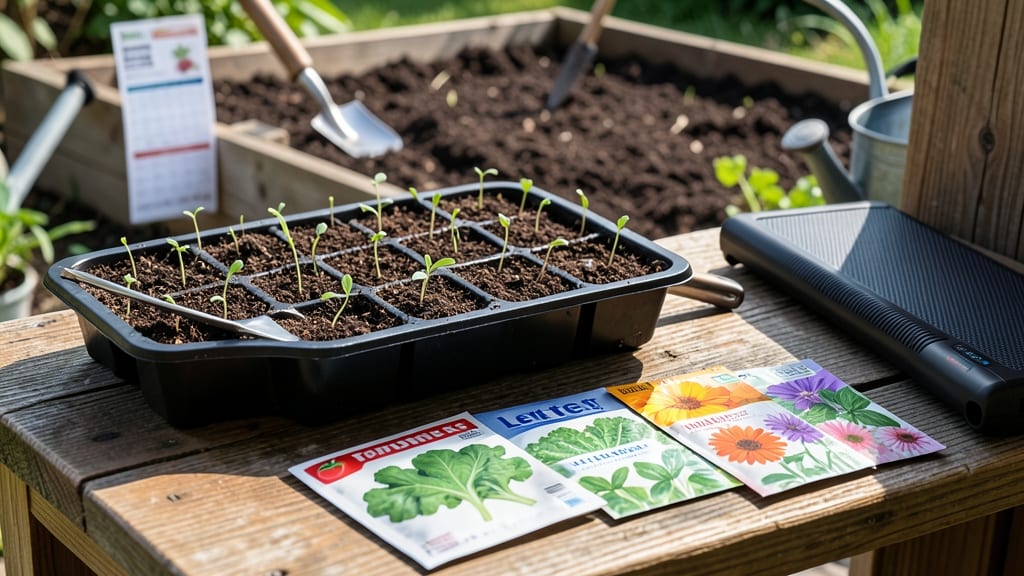
To plant seeds in your garden at the right time means catching the sweet spot between frost and heat—where your 🌱 seedlings get the best start without bolting or freezing.
Did you know the moon’s phases can influence how well your seeds sprout, grow, and thrive? Timing your planting right isn’t just about the calendar—it’s about harnessing lunar energy for stronger, healthier plants.
In Zone 6a, where frost lingers until April 15 and returns by October 31, the window for cool-season crops like lettuce or peas is tight. Warm-season favorites? They need to wait until soil warms to at least 60°F.
Below, I’ll break down the best moon phases for each plant type, how to adjust for your microclimate, and the 3 common mistakes that kill even the most careful gardeners’ timing.
Best moon phases for planting seeds by plant type
Harnessing the moon’s natural cycles can transform your garden’s success rate. The waxing moon (growing light) boosts root development, while the waning moon (shrinking light) enhances leaf and fruit production.
Even full moons offer peak energy for planting, but timing matters—especially for specific plant types. Let’s break down the best lunar phases for your favorite seeds.
Root crops like carrots and potatoes thrive when planted during the waxing moon, as its energy fuels underground growth. Leafy greens such as lettuce and spinach respond best to the waning moon, promoting lush foliage.
Meanwhile, fruit-bearing plants like tomatoes and peppers benefit from the full moon or early waning phases for robust harvests.
Understanding these patterns isn’t just folklore—it’s rooted in gravitational forces affecting plant sap flow. For example, the new moon is ideal for transplanting because its minimal light reduces stress on young plants.
Aligning your planting schedule with these lunar rhythms can mean the difference between weak seedlings and vigorous growth.
For herbs, the transition from waning to full moon creates a balanced approach, nurturing both roots and leaves. This phase is particularly effective for aromatic herbs like basil and mint, which need steady energy for flavor development.
I’ve noticed my basil plants grow twice as fast when planted during this window!
If you’re planting flowers, aim for the full moon or the days leading up to it. This timing maximizes the plant’s ability to bloom vigorously. Marigolds and zinnias, for example, thrive under these conditions, producing bigger, brighter blooms with minimal effort.
Just avoid planting flowers during the waning crescent, as this phase can stunt their growth.
Don’t overlook the new moon for transplanting seedlings. The minimal lunar energy reduces stress on delicate roots, giving your plants a stronger start. I always
Climate-based seed planting schedule by region
Your USDA hardiness zone determines when to plant seeds for maximum success. In Zone 6a, where frost dates bookend the growing season, timing is everything.
Cool-season crops like lettuce and peas thrive when planted 4-6 weeks before last frost (around March 15), while warm-season tomatoes and peppers need to wait until soil reaches 60°F (typically May 1).
Fall planting is just as critical—60-90 days before first frost (around July 15) gives crops like kale and radishes time to mature before cold snaps. Microclimates (like sunny south-facing beds) can shift these dates by 1-2 weeks, so always monitor soil temps and local weather forecasts.
| USDA Zone | Last Spring Frost | First Fall Frost | Spring Planting Window | Fall Planting Window |
|---|---|---|---|---|
| Zone 3-4 | May 15 | September 15 | April 1 - May 10 | July 1 - August 15 |
| Zone 5 | April 25 | October 10 | March 15 - April 15 | June 15 - August 1 |
| Zone 6a (Your Zone) | April 15 | October 31 | March 15 - April 30 | July 1 - August 15 |
| Zone 7-8 | March 15 | November 15 | February 1 - March 31 | May 15 - September 15 |
| Zone 9-10 | January 15 | December 15 | October 1 - December 1 | July 1 - October 15 |
For Zone 6a, start cool-season crops indoors 4-6 weeks before last frost (around February 28) to extend your harvest. Warm-season crops like beans and corn can go directly into the garden after soil warms to 60°F, usually by May 15.
Use row covers to protect early plantings from late frosts.
Adjust for microclimates—sheltered spots may warm 1-2 weeks earlier than open areas. Test soil temps with a soil thermometer (aim for 60-70°F for warm-season crops). In Zone 6a, July 15 is your last chance to plant fall crops like spinach or carrots for a harvest before frost.
Common mistakes? Planting too early (risking frost damage) or too late (bolting or poor yields). Use seed starting kits for indoor prep and planting calendars to track deadlines. In Zone 6a, 60-90 days before first frost is your fall planting goldilocks zone.
Pro tip: Mark your calendar with 3 key dates—last frost (April 15), first frost (October 31), and soil warming (May 15). These anchor your entire planting schedule, ensuring you never miss a window. Happy planting! 🌱