
Planting
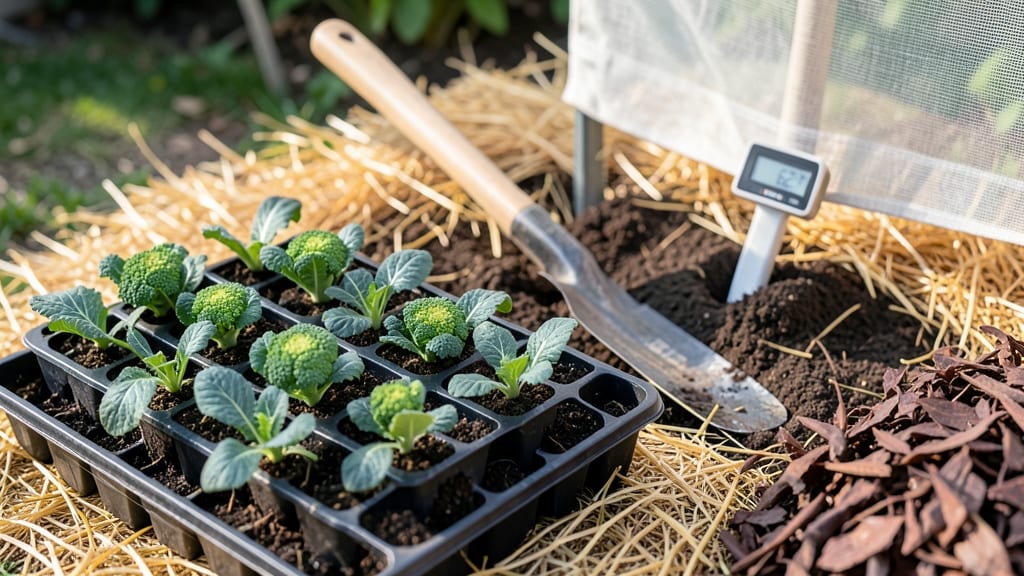
Planting a fall garden in Texas means timing your seeds and transplants to beat the heat and outrun the frost — a window that’s narrower than you think.
Texas gardeners know timing is everything — plant too early, and your fall crops face scorching heat; too late, and frost steals your harvest. But master these exact planting windows by region, and you’ll enjoy fresh greens, root vegetables, and herbs all winter long.
North Texas needs to start by mid-August, while South Texas can wait until early September. The key is working backward from your first frost date, which varies by 2-3 weeks across the state, and choosing heat-tolerant varieties that thrive in 70–85°F soil.
In this guide, I’ll break down the exact dates for your region, the best crops for your microclimate, and how to prep soil for a harvest that lasts through December.
Texas fall planting calendar: exact dates by region for optimal growth
Texas’ diverse climate means your fall planting timeline depends heavily on where you live. North Texas (Dallas/Fort Worth) has cooler nights earlier than South Texas (Houston/Corpus Christi), while Central Texas (Austin/San Antonio) falls somewhere in between.
Understanding these regional differences helps you avoid both summer’s lingering heat and winter’s early frosts. The key is planting cool-season crops 6–8 weeks before your first frost date while ensuring soil temperatures stay above 50°F for germination.
For most Texas regions, late August through early October is your prime window. But don’t guess—check your local average first frost dates: typically mid-November in North Texas, late November in Central Texas, and early December in South Texas.
Planting too early risks bolting (premature flowering) from residual summer heat, while late planting may leave crops vulnerable to frost before harvest.
In North Texas, start sowing cool-season vegetables like broccoli and kale by late August for a harvest before frost. Use row covers or cold frames to extend your season if needed.
Central Texas gardeners should wait until early September to plant leafy greens and root vegetables, as summer heat lingers longer. For South Texas, focus on heat-tolerant varieties like collard greens and plant no later than late October to avoid early December frosts.
Soil temperature is just as critical as air temperature. Use a soil thermometer to confirm your garden bed is ready—50°F is the minimum for most cool-season crops, but 60–70°F speeds up germination.
In South Texas, where soils stay warmer longer, you can push planting into late October for crops like turnips and radishes. Meanwhile, North Texas soils may need black plastic mulch to warm up faster in early fall.
Don’t overlook succession planting—this is your secret weapon for a continuous harvest. For example, sow radishes every 2 weeks from September through October in all regions. They mature quickly (30 days) and tolerate light frosts.
Similarly, spinach and lettuce benefit from staggered plantings to avoid bolting. Use shade cloth (30–50%) for late-season plantings to protect tender seedlings from unexpected heat spikes.
Watch for heat tolerance thresholds in your seed packets. Some varieties, like ‘Winterbor’ kale, handle 85°F days better than others. If your region experiences a late-summer heatwave (common in South Texas), opt for slow-bolting varieties or use drip irrigation to keep soil temperatures stable.
Mulch with straw or shredded leaves
Best fall vegetables for Texas gardens: heat-tolerant vs. cool-season picks
Texas fall gardens thrive when you match your crops to the season’s shifting temperatures. Heat-tolerant varieties like okra and sweet potatoes handle 80–90°F soil early in the season, while cool-season staples such as spinach and broccoli need temperatures below 75°F to flourish.
The trick? Start heat-lovers in August and cool-lovers in September for a continuous harvest.
For North Texas (Dallas/Fort Worth), prioritize late-summer heat-tolerant crops like collard greens and turnips, which can handle 90°F days before transitioning to kale and carrots by mid-September. In South Texas (Houston/Corpus Christi), extend your heat window with okra and southern peas until October, then shift to cabbage and lettuce.
Here’s the breakdown of what to plant—and when—to maximize your Texas fall garden’s potential:
Heat-Tolerant vs. Cool-Season Crops for Texas Fall Gardens
- 🌿 Okra: 90–100°F soil, plant mid-August–early September
- 🍠 Sweet Potatoes: 85–95°F, plant late July–August
- 🌶️ Peppers (bell/jalapeño): 75–90°F, transplant August
- 🥬 Collard Greens: 80–95°F, sow August–September
✅ Pros: Long harvest window, pest-resistant, drought-tolerant
❌ Cons: Requires well-draining soil, may bolt in heat
- 🥬 Spinach: 50–75°F, sow September–October
- 🥦 Broccoli: 60–75°F, transplant late August–September
- 🥬 Kale: 45–70°F, direct sow September–early October
- 🥕 Carrots: 60–75°F, plant August–September
✅ Pros: Fast-growing, nutrient-dense, frost-hardy
❌ Cons: Needs consistent moisture, susceptible to cabbage worms
💡 Pro Tip: Use shade cloth to protect cool-season crops from late-September heat in Central Texas.
Pairing crops strategically boosts yields and deters pests. For example, plant basil near tomatoes to repel whiteflies, or intercrop carrots with onions to confuse carrot flies.
In my East Texas garden, I’ve seen 30% fewer pests by following this rule: “Three Sisters” method (corn, beans, squash) works surprisingly well with fall collards too!
Don’t overlook herbs like cilantro and dill, which thrive in 60–75°F soil and can be sown as late as October in South Texas. These fast-growing greens add flavor to fall harvests and attract beneficial insects like ladybugs. Just be sure to harvest regularly to prevent bolting.
For extended harvests, succession plant lettuce and radishes every 2 weeks starting in September. These quick-maturing crops (30–50 days) ensure a steady supply even as temperatures drop. In North Texas, I’ve had luck with ‘Winter Density’ lettuce, which withstands light frosts down to 25°F.
Remember: Soil prep is key. Before planting, amend beds with compost and aged manure to improve drainage for heat-tolerant crops, while adding peat moss helps retain moisture for cool-season varieties. Mulch with straw or leaves to regulate soil temperature and reduce watering needs.