
Pruning
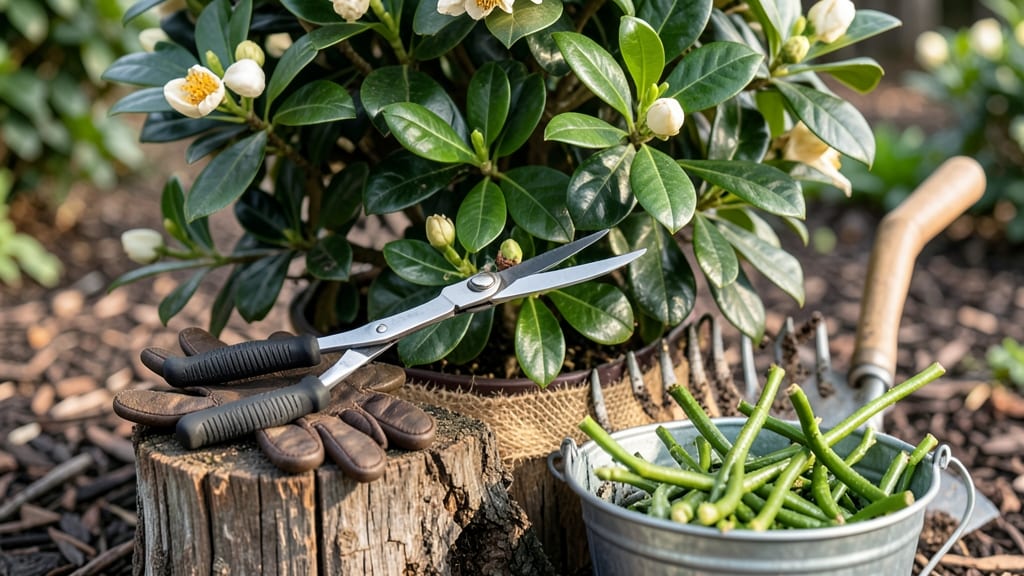
Pruning gardenias in Georgia at the right time—late winter—sets the stage for fragrant, lush blooms all season.
Georgia’s humid climate and hot summers make gardenia pruning timing critical—get it wrong, and you risk stunted blooms or even plant stress. But master the late-winter window, and your gardenias will reward you with abundant, healthy growth.
Most gardeners in USDA zones 7b-8b should prune between February and early March, just as new growth begins but before the heat arrives. This timing ensures your 🌸 gardenias have time to recover before summer’s intensity.
In this guide, I’ll walk you through the exact steps, tools, and care tips to keep your gardenias thriving—so you can enjoy their signature fragrance all season long.
Optimal late winter pruning timeline for Georgia gardenias
Georgia’s mild winters and humid summers create a unique climate where gardenias thrive—but only if you time your pruning just right.
Late winter, between February and early March, is the sweet spot for pruning because it aligns with the plant’s dormancy cycle while avoiding late frosts that can damage fresh cuts. This window ensures your gardenias enter their spring growth phase with energy to produce abundant, fragrant blooms.
During late winter, gardenias are in a resting state after their fall blooming season. Pruning at this time removes dead or weak growth while allowing the plant to focus energy on new, vigorous shoots as temperatures rise.
In Georgia’s USDA Zones 7b-8b, the average last frost date is around March 15, making early March the ideal deadline for finishing pruning before active growth begins.
Pruning too early (January) risks frost damage to exposed cuts, while waiting until April delays the plant’s ability to recover and bloom. The key is to prune when daytime temperatures consistently stay above 50°F (10°C), signaling the plant it’s safe to break dormancy.
This timing also helps prevent fungal infections, which thrive in Georgia’s damp spring air.
Here’s why late winter pruning works best for Georgia gardenias:
| Pruning Window | Key Conditions | Plant Response | Georgia-Specific Notes |
|---|---|---|---|
| Late February | Daytime temps 50-60°F (10-15°C) | Removes winter-damaged growth | Low frost risk in most areas |
| Early March | Soil temps warming (55°F+) | Stimulates new bud formation | Avoid if late frosts predicted |
| Mid-March | New growth visible | Maximizes bloom potential | Best for coastal areas (warmer) |
| April (cutoff) | Active growth phase | Reduces bloom quantity | Risk of fungal issues |
Georgia’s regional microclimates can shift pruning timing slightly. In coastal areas like Savannah, where winters are milder, you can start pruning as early as late January. Meanwhile, in inland zones like Athens or Atlanta, wait until mid-March to ensure frost safety.
Always check your local frost date averages—the National Weather Service provides 10-year frost history for precise planning.
Pruning in late winter also reduces stress on gardenias by removing crowded branches that compete for nutrients. This opens up the canopy for better air circulation, which is crucial in Georgia’s humid climate to prevent powdery mildew and other fungal diseases.
Aim to remove no more than 25-30% of the plant’s foliage in one session—this balance ensures the plant can recover quickly and channel energy into new growth and blooms.
After pruning, apply a 2-3 inch layer of mulch around the base of your gardenias to retain moisture and regulate soil temperature. Use pine bark or pine straw, which also acidifies the soil—gardenias thrive in acidic conditions (pH 5.0-6.0).
Water deeply once a week for the first month post-pruning to help the plant establish new roots before the summer heat sets in.
One common misconception is that pruning gardenias too late in spring will stimulate more blooms. In reality, late pruning (after April 15) often delays flowering and can leave your plant vulnerable to heat stress.
Gardenias in Georgia typically bloom from May through September, so timing your pruning to late winter ensures you’ll enjoy peak fragrance and color during the hottest months when you need them most.
For container-grown gardenias, late winter pruning is even more critical because potted plants heat up faster and dry out quicker in Georgia’s summer. Prune containers 1-2 weeks earlier than in-ground plants to account for their faster growth rate.
After pruning, move containers to a shadier spot for a few weeks to reduce transplant shock from the pruning stress.
Remember, the goal of late winter pruning is to shape your gardenia for success
Step-by-Step pruning guide for healthy gardenia growth
Pruning your gardenias the right way transforms them from overgrown shrubs to bloom-packed beauties. The key is precision—cutting at the correct spots and avoiding common mistakes that stress the plant. With Georgia’s warm winters, timing matters most, but the actual technique ensures your gardenias thrive for years.
Start by gathering your tools: sharp bypass pruners for clean cuts, sterilized rubbing alcohol to disinfect blades between cuts, and gloves to protect your hands from thorns.
Gardenias respond best to structured pruning, so take your time and follow each step carefully to avoid over-pruning or damaging the plant’s growth centers.
- 🌿 Step 1: Remove Dead or Diseased Wood
Inspect your gardenia for brown, mushy, or hollow branches. Cut these back to healthy green wood using sterile pruners. Dead wood can harbor pests or disease, so removal is critical for plant health. - 🌸 Step 2: Thin Out Crowded Branches
Look for crossing or rubbing branches that compete for sunlight. Remove 1/3 of the oldest stems to encourage new growth. This opens up the plant for better airflow and more abundant blooms. - ✂️ Step 3: Shape the Plant
Trim back overly long branches to maintain a balanced, rounded shape. Cut just above a leaf node or bud to promote new growth. Avoid cutting into old wood, as gardenias bloom on current season’s growth. - 💧 Step 4: Clean Up the Area
Collect and dispose of all pruned branches to prevent disease spread. Rake up fallen leaves and debris around the base of the plant. This keeps the area clean and pest-free. - 🌱 Step 5: Apply Post-Pruning Care
Water the plant deeply after pruning to help it recover. Add a 2-inch layer of mulch around the base to retain moisture and protect roots. Avoid fertilizing immediately—wait 4-6 weeks to allow the plant to recover.
After pruning, monitor your gardenia closely for signs of stress, like yellowing leaves or wilting. This is normal for a few weeks, but if it persists, you may have over-pruned.
Gardenias are resilient, but they need time to adjust. Keep the soil moist but not soggy and avoid heavy pruning in the same spot for at least a year.
For potted gardenias, prune similarly but reduce the intensity slightly. These plants have limited root space, so aggressive pruning can stress them more. After pruning, place the pot in a shady spot for a week to help the plant recover before returning it to its usual light conditions.
With the right technique, your gardenias will rebound with vigor, producing fragrant blooms all summer long. Pruning isn’t just about shaping—it’s about encouraging healthy growth and setting your gardenia up for success in Georgia’s climate. 🌸