
Tools
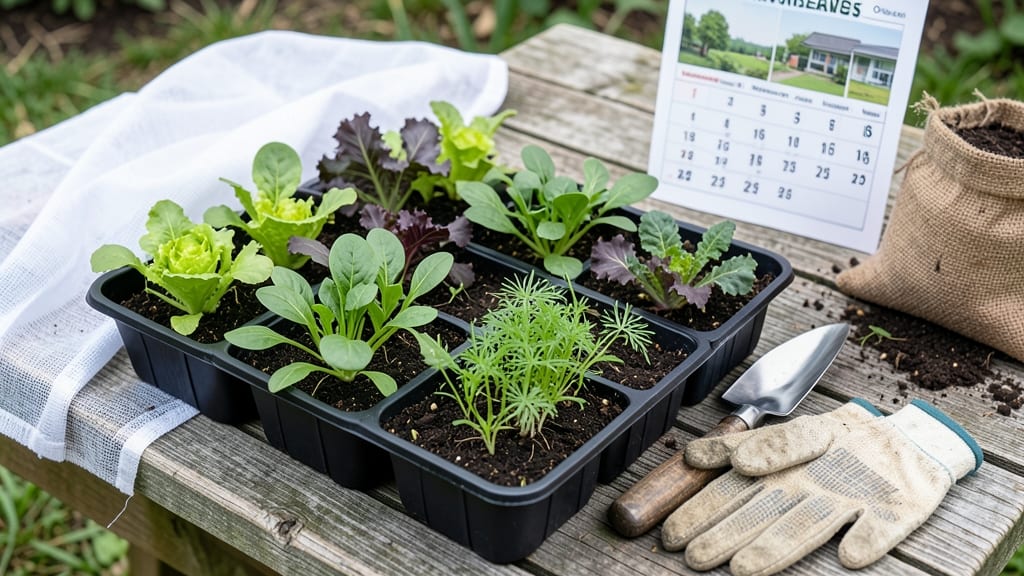
Starting a garden in Ohio means timing your first seeds and transplants right—because one late frost can turn your hard work into a wasted season if you plant too early.
Ohio’s unpredictable spring weather can turn your gardening dreams into a guessing game—unless you know the exact planting windows for your specific zone. Timing is everything when it comes to avoiding frost, maximizing yields, and ensuring your garden thrives from seed to harvest.
For most of Ohio’s 6a zone, the last frost typically hits around April 15, but that doesn’t mean you should rush.
Cool-season crops like lettuce and peas can go in 4-6 weeks before that date, while warm-season favorites like tomatoes and peppers need to wait until the soil warms to at least 60°F—usually mid-May.
Below, I’ll break down the best planting timeline for your Ohio garden, including when to start seeds indoors, when to transplant, and how to stretch your growing season for bigger harvests.
Ohio’s planting zones explained: when to start seeds indoors vs. outdoors
Ohio spans USDA Hardiness Zones 5a to 6b, meaning gardeners in northern Ohio (5a) face colder springs and shorter growing seasons than those in southern Ohio (6b). These zones dictate last frost dates, which are critical for deciding when to start seeds indoors or sow directly outdoors.
For example, Columbus (Zone 6a) typically sees its last frost around April 15, while Toledo (Zone 5b) may wait until May 1. Knowing your zone helps you avoid frost damage and aligns planting with your plants' needs.
Starting seeds indoors is a game-changer for warm-season crops like tomatoes and peppers, which need a longer growing season than Ohio’s short summer. Cool-season crops, such as spinach and peas, can often be sown directly outdoors 4-6 weeks before the last frost.
The key is balancing seedling maturity with outdoor conditions—planting too early risks frost damage, while planting too late shortens the harvest window. Let’s break down the zone-specific timelines to help you plan like a pro.
| Zone | Last Frost Date | Start Indoors (Warm Crops) | Direct Sow (Cool Crops) | Transplant Outdoors |
|---|---|---|---|---|
| 5a (Toledo, Youngstown) | May 1 | March 15 - April 1 | April 1 - April 15 | May 15 - May 30 |
| 5b (Cleveland, Akron) | April 20 | March 1 - March 15 | March 20 - April 1 | May 1 - May 15 |
| 6a (Columbus, Cincinnati) | April 15 | February 28 - March 15 | March 1 - March 15 | April 20 - May 1 |
| 6b (Southern Ohio) | April 5 | February 15 - February 28 | February 20 - March 1 | April 10 - April 20 |
For Zone 5a gardeners, like those in Toledo, starting tomatoes indoors around March 15 ensures they’re ready to transplant by May 15, just as the soil warms.
Meanwhile, Zone 6b gardeners in southern Ohio can begin earlier, with seeds indoors by February 15 and transplants out by April 10. This early start gives them an extra 4-6 weeks of growth before summer heat sets in.
Always check your local average last frost date—it can vary by 1-2 weeks even within the same zone.
Cool-season crops like spinach and peas thrive when sown directly outdoors 4-6 weeks before the last frost. In Zone 6a (Columbus), this means planting by March 1 for an early spring harvest. These hardy crops can even tolerate light frosts, making them ideal for Ohio’s unpredictable springs.
Warm-season crops, such as peppers and eggplants, need soil temperatures above 60°F to germinate, so wait until after your last frost date to direct-sow them.
One of my biggest mistakes early on was transplanting tomato seedlings too soon because I misjudged the frost date. The result? Frost-nipped leaves and stunted growth. To avoid this, use a soil thermometer to confirm temperatures are stable above 50°F before planting.
For extra safety, cover young plants with frost blankets if an unexpected late frost is forecasted. Ohio’s weather can shift quickly, so always stay flexible with your planting schedule.
If you’re growing herbs like basil or cilantro, timing is equally critical. Basil, a warm-season herb, should be started indoors by March 1 in Zone 6a and transplanted after April 15.
Cilantro, a cool-season herb, can be sown directly outdoors in early spring (March) or late summer (August) for a fall harvest. Mixing these herbs with your veg
Month-by-month Ohio gardening calendar: what to plant and when
Ohio gardeners know that timing is everything—especially when spring frost can wipe out tender seedlings overnight. Whether you're in northern Ohio (Zone 5a) or southern Ohio (Zone 6b), this month-by-month guide keeps you on track for a bountiful harvest.
I’ll break down seed-starting dates, transplanting windows, and succession planting tips tailored to Ohio’s climate quirks.
Start with cool-season crops like spinach and peas in early spring, then transition to warm-season favorites such as tomatoes and peppers once soil warms. Southern Ohio has a slightly longer growing season, so adjust deadlines by 1-2 weeks if you're near Cincinnati or Columbus.
For northern areas like Cleveland or Toledo, err on the side of caution—frost can linger until mid-May.
- 🌱 March: Start cool-season seeds indoors (lettuce, kale, onions). Harden off seedlings by late March.
- 🌱 April: Direct sow peas, radishes, carrots after last frost (northern OH: mid-April; southern OH: early April).
- 🌱 May: Transplant tomatoes, peppers, eggplants after soil reaches 60°F (northern OH: late May; southern OH: mid-May).
- 🌱 June: Sow beans, cucumbers, squash for summer harvests. Succession plant lettuce every 2 weeks.
- 🌱 July-August: Plant fall greens (spinach, kale) 6-8 weeks before first frost (northern OH: late July; southern OH: early August).
- 🌱 September: Direct sow garlic, onions, cover crops for next year. Harvest pumpkins, winter squash before frost.
Don’t overlook succession planting—it’s how I stretch my harvests into fall. For example, sow bush beans every 2 weeks from June to July to ensure a steady supply. In southern Ohio, you can even squeeze in a second planting of tomatoes in early July for a late-summer harvest.
Just monitor soil temperatures with a thermometer—warm-season crops need at least 60°F to thrive.
Ohio’s first frost typically arrives in mid-October in southern regions and by early October in the north. Use this window to plant frost-tolerant crops like kale, Brussels sprouts, and carrots. For extra protection, cover seedlings with row fabric or a cold frame to extend the season by 2-3 weeks.
I’ve had great success with spinach harvested straight through December using these tricks!
Pro tip: Keep a gardening journal to track your local frost dates and soil conditions. Ohio’s microclimates vary wildly—your neighbor’s yard might be 5°F warmer than yours.
Adjust your planting dates based on your observations, and don’t hesitate to start seeds indoors 4-6 weeks before the last frost for warm-season crops like peppers, which need a long, hot season to mature.
Finally, plan for fall cleanup in November. Remove spent plants, add compost, and mulch garden beds to protect soil over winter. This prep work ensures your soil stays fertile and ready for next year’s early spring planting.
With this calendar, you’ll avoid the heartbreak of frost-killed seedlings and enjoy a garden that thrives all season long! 🌿